How to Clean Your Persian Cat’s Face Without Damaging Delicate Skin
Clean your Persian cat’s face every 48 to 72 hours using a soft, lint-free microfiber cloth dampened with lukewarm distilled water. Use downward strokes from inner to outer eye corners with fresh cotton pads to prevent irritation. Avoid paper towels or human wipes containing alcohol or parabens. Maintain skin health by limiting sessions to 3–5 minutes daily, supporting the head gently. pH-balanced veterinary wipes below 50 microns in weave density preserve the skin barrier-further details clarify ideal product choices and tear-stain prevention methods.
Notable Insights
- Use a soft, lint-free microfiber cloth dampened with lukewarm distilled water to gently wipe facial folds and eye areas.
- Clean every 48–72 hours to prevent debris buildup without disrupting the skin’s natural oil barrier.
- Avoid human baby wipes and harsh soaps, as they contain irritants like propylene glycol and alcohol.
- Support your cat’s head lightly and wipe from inner to outer eye corner using gentle, downward strokes.
- Introduce cleaning gradually with positive reinforcement to build comfort and reduce stress during daily sessions.
Calming Your Persian Cat Before Cleaning
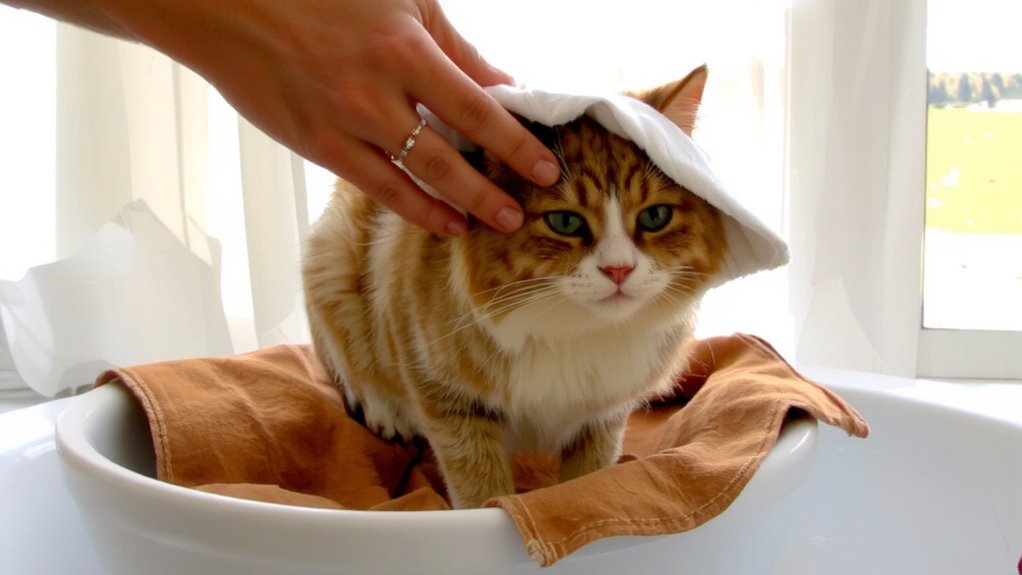
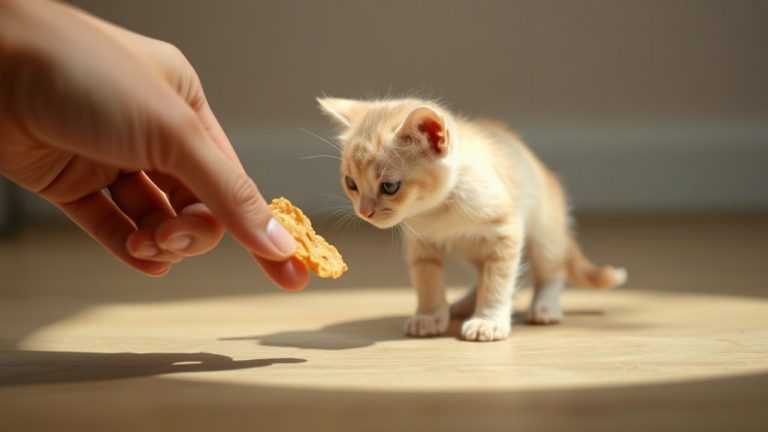
Though Persian cats are prone to anxiety during grooming, you can minimize stress by preparing the environment and your approach in advance. Begin grooming sessions when your cat is naturally calm, ideally after meals or naps. Use positive reinforcement such as small treats or soft verbal praise to associate face cleaning with rewards. Introduce tools gradually, allowing your cat to sniff and inspect them. Perform gentle handling by supporting the head and neck with steady, low-pressure contact. Limit sessions to three to five minutes to prevent overstimulation. Repeat daily to build familiarity. Positive reinforcement increases compliance by up to 68% in routine care, according to feline behavior studies. Gentle handling reduces cortisol levels, minimizing fear responses. Maintain consistent timing, tools, and location to support behavioral predictability. Avoid sudden movements or restraint, which can trigger resistance. Proper preparation guarantees safer, more effective cleaning. Choosing a limited ingredient pet food can reduce facial irritation caused by food allergens.
Safe Supplies for Cleaning a Persian Cat’s Face
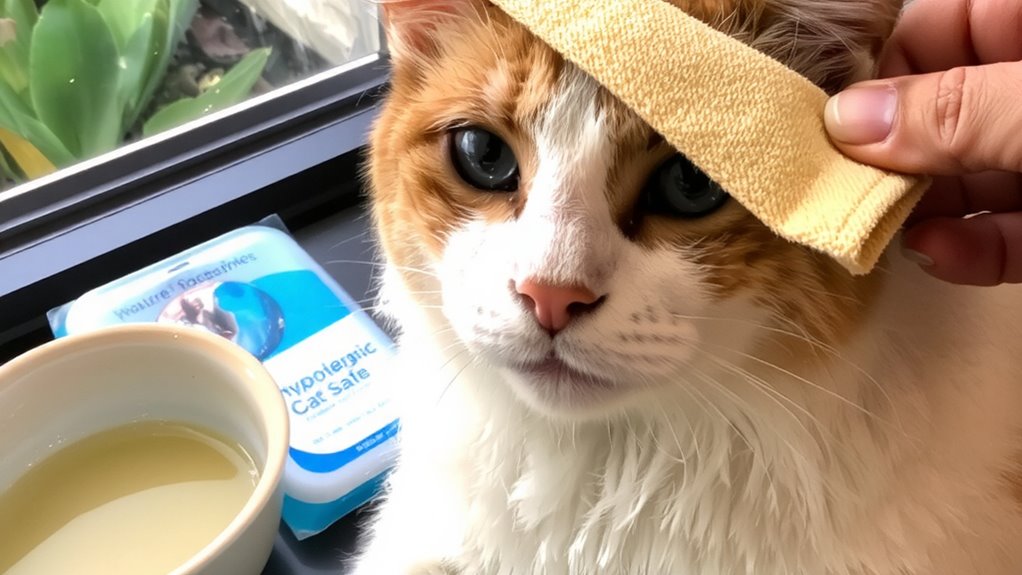
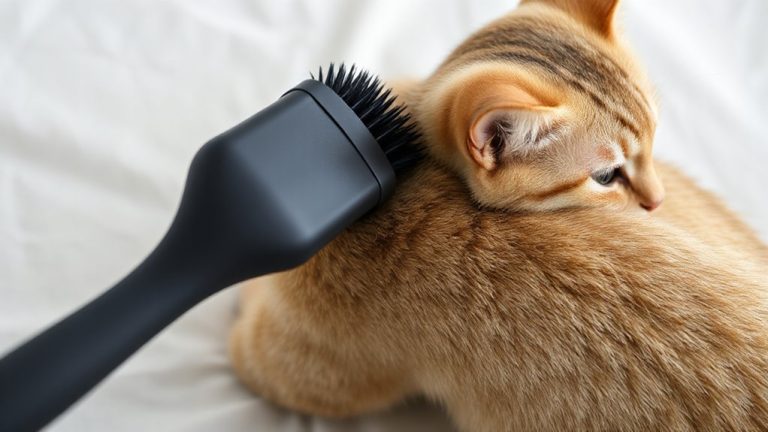
Start with a soft, lint-free cloth or veterinary-grade facial wipe designed specifically for cats. These face wipes are pre-moistened with a pH-balanced, alcohol-free solution that won’t disrupt your cat’s delicate facial skin barrier. Most wipes measure 7 x 8 inches, providing ample surface area for effective cleaning without frequent replacements. Use grooming cloths made of microfiber or bamboo fabric, which are gentle yet effective at lifting debris without scratching. Avoid paper towels or human baby wipes, which can contain irritants like parabens or fragrances. Grooming cloths should be washed after each use at 60°C to eliminate bacteria. Reusable options last up to 100 washes if air-dried. Always confirm that materials are non-abrasive, with a weave density below 50 microns to prevent irritation. Safe supplies minimize friction and microbial risk during routine facial care.
Clean Your Persian Cat’s Face Gently: Step by Step
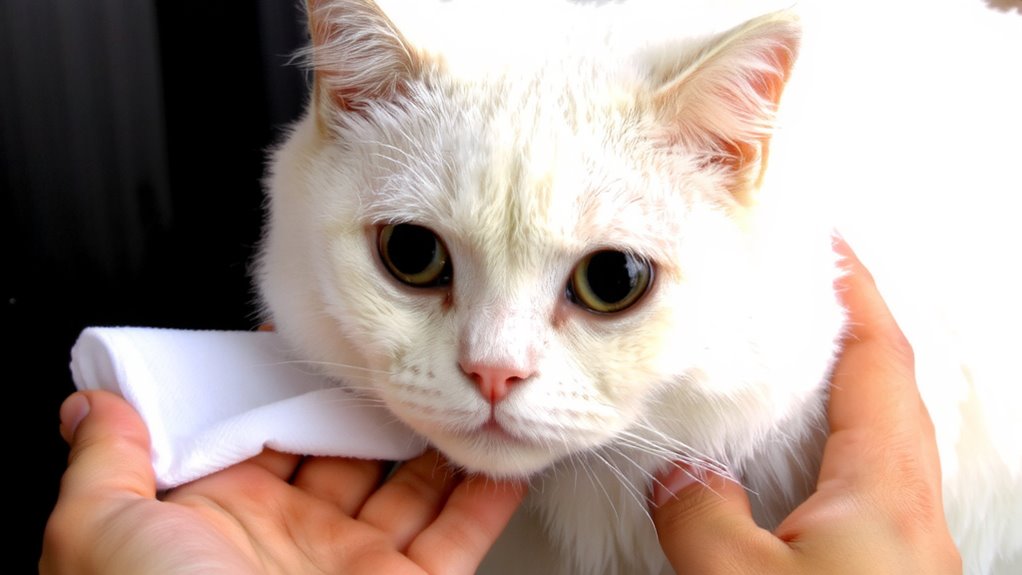
Your Persian cat’s facial hygiene begins with a calm environment and proper positioning. Sit your cat on a non-slip surface, gently securing them with one hand under the chin. Use a soft, lint-free microfiber cloth dampened with lukewarm distilled water-never tap water. Begin with eye grooming: moisten a cotton ball or pad and wipe from the inner to outer eye corner using downward strokes, one swipe per area. Replace pads frequently to prevent bacterial spread. Apply light pressure during facial massage along the cheek folds and jawline to dislodge trapped debris without irritating skin. Use upward motions near the nose, where tear staining accumulates. Avoid the eyelids and nostrils. Repeat daily for best hygiene. Consistent technique preserves skin integrity and reduces dermatitis risk. This method guarantees thorough cleaning while maintaining your cat’s delicate facial pH balance between 6.2 and 7.4.
Avoid These Common Face-Cleaning Mistakes
Why do so many pet owners struggle with keeping their Persian cat’s face clean without causing irritation? Because overwashing irritation and using improper tools are more common than you think. Cleaning too frequently disrupts the skin’s natural pH, leading to redness and dryness. Stick to gentle, pH-balanced wipes designed for cats. Never use human baby wipes-many contain propylene glycol, which is toxic to cats.
| Mistake | Why It’s Harmful | Better Alternative |
|---|---|---|
| Overwashing | Causes overwashing irritation and barrier damage | Clean only when soiled, not daily |
| Improper tools | Rough fabrics or cotton leave fibers | Use soft, non-abrasive microfiber cloths |
| Harsh soaps | Disrupt skin microbiome | Opt for veterinary-formulated cleansers |
Always support the skin’s integrity with species-specific products.
How Often to Clean for Healthy Skin
Typically, cleaning your Persian cat’s face every two to three days is sufficient to maintain skin health without disrupting natural oils. This schedule supports consistent facial hygiene while accommodating your cat’s skin sensitivity. Over-cleaning can strip essential lipids, leading to dryness and irritation. Use a soft, lint-free cloth or cotton pad moistened with a pH-balanced, veterinary-approved cleanser. Apply gentle pressure in short strokes, focusing on the muzzle, eye margins, and facial folds. These areas trap moisture and debris, increasing risk of irritation if neglected. Cleaning every 48 to 72 hours optimizes hygiene without overhandling. For cats with heightened skin sensitivity, reduce contact time and avoid alcohol-based products. Monitor for redness or flaking, which indicate over-cleansing. Adjust frequency only if clinically necessary. Maintaining this routine guarantees long-term skin integrity, preserving your cat’s natural protective barrier while preventing buildup.
Why Tear Stains and Irritation Happen in Persians
Beneath the wide-set eyes and flattened muzzle of your Persian cat lies a facial structure predisposed to chronic moisture buildup, and it’s this very anatomy that sets the stage for persistent tear staining. This isn’t just poor hygiene-it’s a genetic predisposition tied directly to brachycephalic conformation. Tears overflow because nasolacrimal ducts are often narrow or misaligned, leaving moisture on the skin. That dampness fosters bacterial growth, leading to reddish stains and irritation.
| Factor | Cause | Effect |
|---|---|---|
| Flat facial structure | Shallow eye sockets | Tear overflow |
| Genetic predisposition | Narrow ducts | Poor drainage |
| Hair near eyes | Traps moisture | Skin irritation |
| Poor airflow | Stagnant humidity | Bacterial growth |
| Tear composition | High porphyrins | Rust-colored stains |
Facial structure limits airflow, so daily cleaning is essential.
On a final note
You must clean your Persian cat’s face regularly to prevent tear stains and skin irritation. Use a soft, lint-free cloth dampened with sterile saline solution-never tap water. Gently wipe from the inner eye outward, avoiding the cornea. Limit contact to 10–15 seconds per eye to reduce stress. Clean daily to maintain hygiene without over-drying the skin. Over-cleaning causes irritation; once daily is sufficient.