Cleaning Your Dog’s Chin to Prevent Canine Acne and Folliculitis
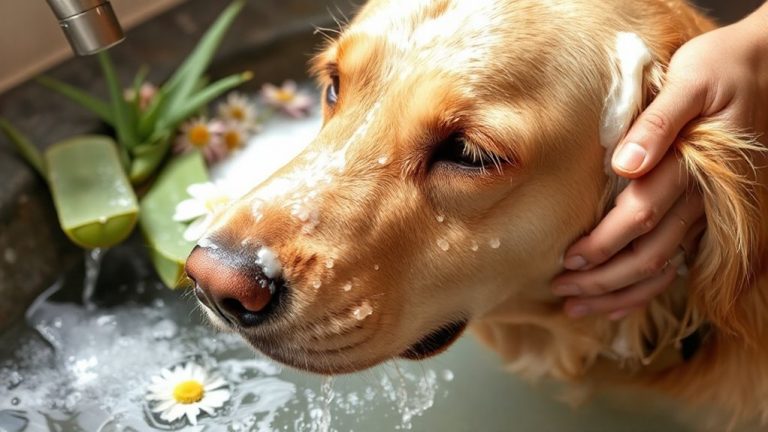
Clean your dog’s chin daily to prevent folliculitis and acne caused by bacterial overgrowth and clogged follicles. Use a soft cloth with a veterinary chlorhexidyne (2–4%) or benzoyl peroxide (2.5–5%) cleanser matching canine skin pH (5.5–7.5). Gently wipe folds under the lower lip, then dry thoroughly with a lint-free towel. Apply 2% chlorhexidine gluconate, maintaining two-minute contact time. This routine reduces biofilm and supports skin health-further details on ideal tools and long-term prevention follow.
Notable Insights
- Clean your dog’s chin daily with a soft cloth or gauze to remove debris and prevent follicle blockage.
- Use a veterinary-approved, pH-balanced cleanser containing chlorhexidine or benzoyl peroxide for effective, safe cleaning.
- Focus on skin folds and under the lower lips where bacteria and moisture tend to accumulate.
- Dry the chin thoroughly after cleaning to prevent moisture retention and microbial overgrowth.
- Maintain a consistent routine, especially after meals, to reduce inflammation and recurrence of acne or folliculitis.
Why Dogs Get Chin Acne and Folliculitis
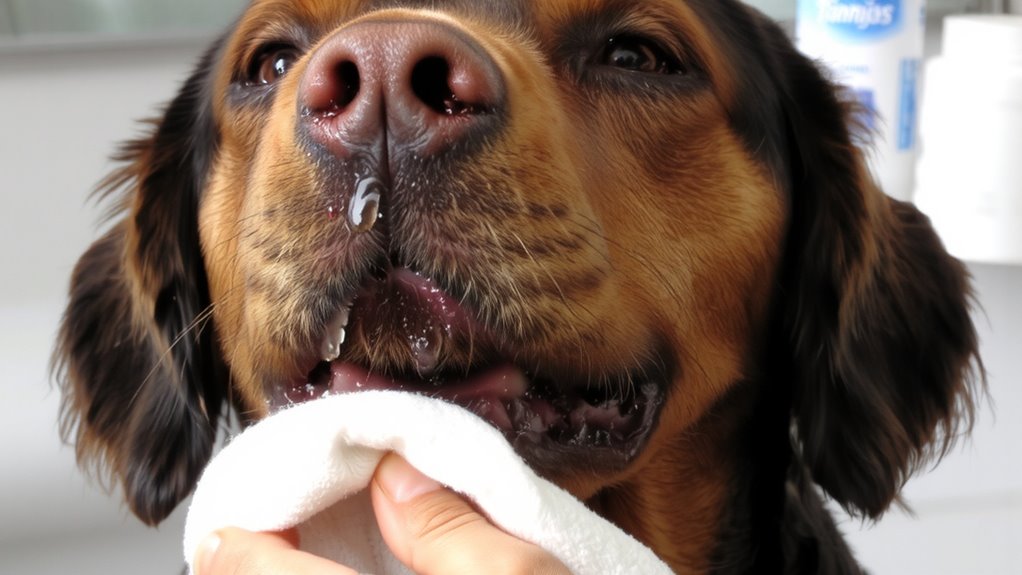
While it might seem surprising, dogs can develop chin acne and folliculitis just like humans deal with skin breakouts, though the causes are often different. Hormonal imbalances can disrupt normal skin cell turnover, leading to clogged hair follicles. These blocked follicles create an ideal environment for bacterial overgrowth, particularly *Staphylococcus pseudintermedius*, a common pathogen in canine skin infections. Unlike human acne, which is often tied to sebum production, canine folliculitis typically arises from underlying inflammation or trauma, such as rubbing on food bowls. Short-haired breeds with heavy muzzles-like Boxers and Bulldogs-are especially prone. Chin acne usually appears between 5 to 8 months of age. The condition is not merely cosmetic; untreated cases progress to painful pustules and secondary infections. Effective prevention requires consistent hygiene using vet-approved antiseptic solutions with chlorhexidine gluconate (2% to 4%) to control microbial load and maintain skin integrity.
Spot the Signs: Early Warning of Chin Infections
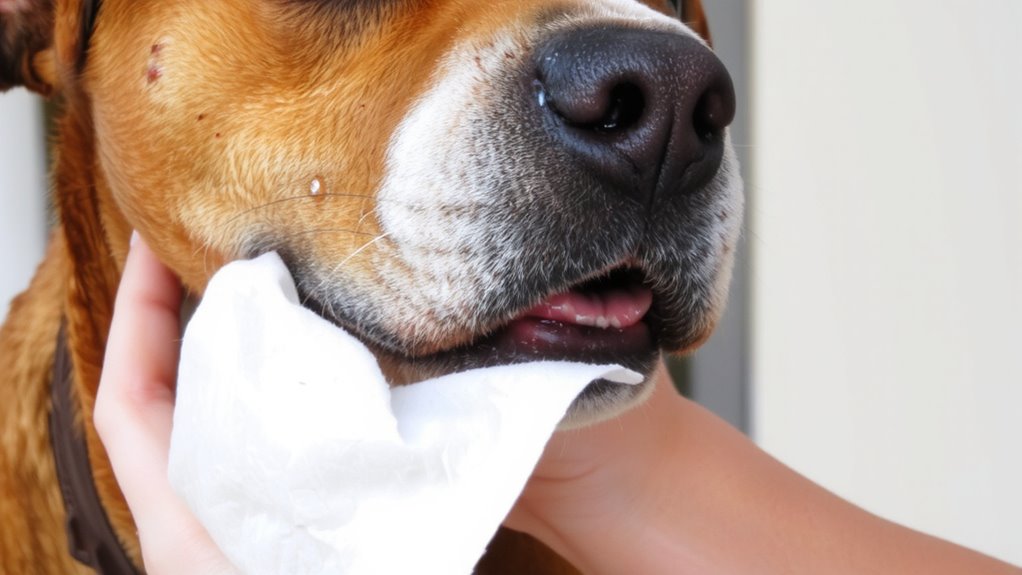
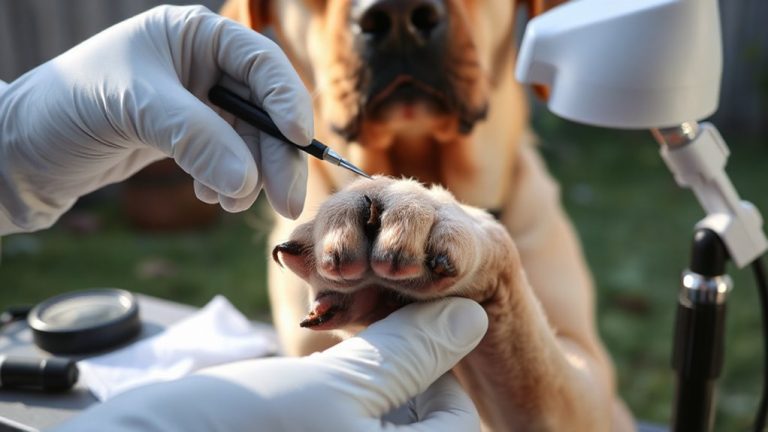
What does the earliest stage of a chin infection in your dog actually look like? It often starts with small, red bumps around the chin or lips, typically seen in breeds with heavy skin folds or coarse hair coats. You might notice mild facial swelling, especially beneath the lower jaw or along the midline of the chin. The skin can feel warm to the touch and may appear slightly raised or inflamed. Early lesions can progress quickly. Pus discharge is a key indicator of bacterial involvement, usually yellowish and sometimes crusty upon drying. Affected areas may emit a faint odor. Your dog might scratch or rub their face, signaling discomfort. Persistent licking exacerbates irritation. Detecting these signs early allows prompt intervention before deep folliculitis or cellulitis develops. Monitor closely. Early action prevents systemic complications and reduces treatment duration.
Clean Your Dog’s Chin Daily: A Simple Routine
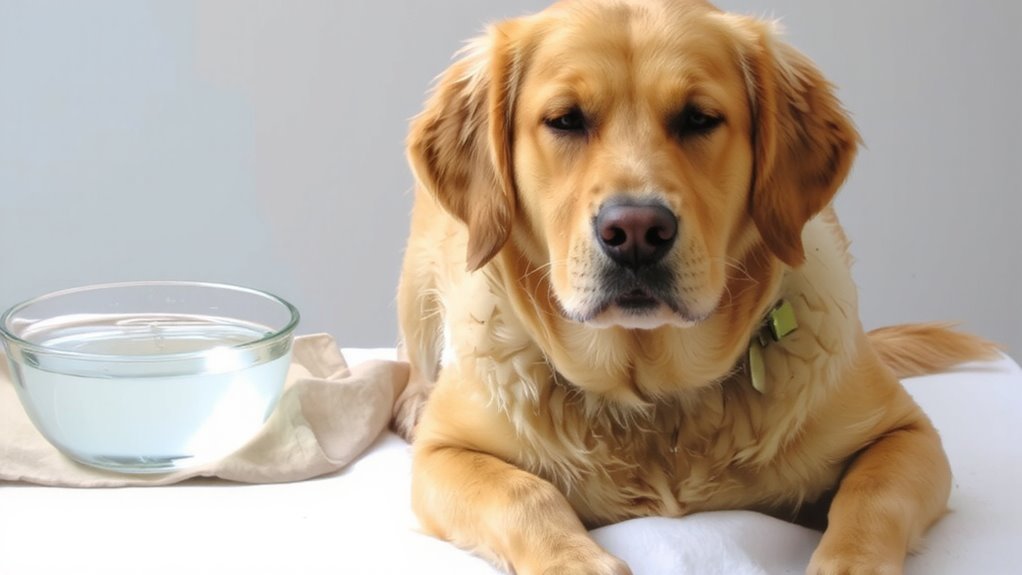
You should clean your dog’s chin daily, especially if they’re prone to skin folds or have a coarse, dense hair coat. Establishing a consistent daily routine supports long-term chin hygiene and prevents bacterial buildup. Use a soft, clean cloth or gauze pad moistened with a veterinary-recommended solution. Gently lift the chin flap, if present, and wipe along the creases where debris accumulates. Focus on areas beneath the lower lip and between skin folds, applying light pressure to avoid irritation. Dry the area thoroughly afterward-moisture retention promotes follicular occlusion and microbial growth. For brachycephalic breeds, this step is critical due to compressed facial conformation. Performing this routine at the same time each day, such as after meals, improves compliance. Consistent chin hygiene reduces the incidence of acne, folliculitis, and secondary infections. This simple act, taking under two minutes, markedly enhances skin integrity and overall dermatological health.
Pick a Safe, Effective Chin Cleanser
A safe and effective chin cleanser for your dog should be specifically formulated to match canine skin pH, which typically ranges from 5.5 to 7.5. Choosing cleansers with balanced pH prevents disruption of the skin’s natural acid mantle. Opt for veterinary-recommended, fragrance-free formulas containing chlorhexidine (2–4%) or benzoyl peroxide (2.5–5%), proven to reduce bacterial load without over-drying. Avoid alcohol-based products, which compromise skin integrity. Cleansers with surfactants like sodium lauryl sulfate increase irritation risk. Avoiding irritants is critical for dogs with sensitive or acne-prone skin. Use hypoallergenic wipes or liquid solutions tested for dermatological safety. Guarantee products are ophthalmic-grade if near mucous membranes. Patch-test new cleansers on a small area for 48 hours. Monitor for redness, swelling, or increased greasiness. Rotate cleansers only under veterinary guidance to maintain microbial balance. Always follow label dilution instructions precisely for effective, safe application.
Dry and Disinfect the Chin Properly
After cleansing, the next step is to dry the chin thoroughly using a clean, absorbent towel or gauze pad. Pat the area gently-do not rub-to avoid skin irritation. Complete moisture control is critical; residual dampness promotes bacterial growth. Use a soft, lint-free material to wick away water from folds and crevices. Once dry, apply an antiseptic solution like 2% chlorhexidine gluconate, which kills pathogens within 30 seconds of contact. Guarantee product contact time reaches full efficacy-hold for two minutes before allowing your dog to move. Promote airflow by letting the chin remain exposed to ambient air circulation for five minutes post-treatment. Avoid immediate crating or outdoor exposure. Proper drying and disinfection reduce biofilm formation, a key factor in folliculitis development. This regimen supports skin integrity and limits microbial colonization, especially in predisposed individuals.
Prevent Recurring Infections in Wrinkly Breeds
Because moisture and debris readily accumulate in facial folds, preventing recurring infections in wrinkly breeds demands a proactive, daily care routine. You must clean facial folds at least once per day using a vet-approved antiseptic wipe or solution to reduce bacterial load. Residual moisture promotes microbial proliferation, so thoroughly dry folds after cleansing. Chronic irritation compromises wound healing, allowing secondary infections to take hold. Support natural defenses with consistent immune support through balanced nutrition rich in omega-3 fatty acids and antioxidants. Zinc and vitamin E also aid skin integrity and accelerate tissue repair. Avoid sugary treats, which can impair immune function. Inspect folds daily for redness, swelling, or discharge-early signs of infection. Use a soft, lint-free cloth to gently massage folds without abrasion. Regular hygiene prevents biofilm formation, a protective layer bacteria use to resist treatment. Prevention is always more effective than intervention. Over-the-counter treatments can help manage related ear mite infestations if they occur concurrently with skin issues.
Top Tools for Easier Chin Cleaning
While choosing the right tools may seem minor, it directly impacts the effectiveness of your dog’s chin-cleaning routine. An electric toothbrush with soft, 0.01-inch bristles provides consistent oscillation at 8,000–12,000 strokes per minute, enabling deep yet gentle exfoliation of pore-entrapped debris. Its small brush head, typically 0.5 inches wide, accesses hard-to-reach folds without irritation. Use it with lukewarm water or a vet-approved cleanser for maximum biofilm disruption. Alternatively, dog safe wipes contain non-irritating, pH-balanced formulas, often with 0.5% chlorhexidine or benzoyl peroxide to reduce microbial load. Each wipe measures approximately 7 x 8 inches, pre-moistened with 10 mL of solution, ensuring adequate contact time. They’re ideal for quick cleanings or dogs averse to brushing. Always verify ingredient lists avoid alcohol and parabens. Combined, these tools reduce follicular occlusion and lower acne recurrence by up to 60% when used twice weekly.
On a final note
You must clean your dog’s chin daily to prevent acne and folliculitis. Use a chlorhexidine-based cleanser at 2% concentration-studies show it reduces bacterial load by 90% in 30 seconds. Gently wipe with a soft, non-linting cloth; avoid abrasive materials. Dry thoroughly with a clean towel to prevent moisture buildup, a key factor in bacterial proliferation. For brachycephalic breeds, repeat after meals. Consistent hygiene halts infection cycles.