Cleaning Your Pet’s Face After a Vet Visit to Remove Antiseptic Residue
Use sterile gauze pads moistened with 0.9% sodium chloride saline to gently wipe your pet’s face, removing antiseptic residues like chlorhexidine or iodine. Apply minimal pressure, moving from inner eye outward. Replace gauze frequently and avoid alcohol-based products. Inspect for redness, swelling, or pawing-signs of irritation. Persistent symptoms signal the need for veterinary evaluation. Proper technique prevents chemical burns, especially in sensitive areas. You’ll find precise methods and safety thresholds next.
Notable Insights
- Use sterile gauze moistened with lukewarm saline to gently wipe antiseptic residue from your pet’s face.
- Clean around eyes and muzzle with cotton-tipped applicators to reach tight areas safely.
- Inspect for redness, swelling, or pawing, which may indicate irritation or allergic reaction.
- Pat dry with a soft, lint-free microfiber cloth after rinsing with saline for two minutes.
- Seek veterinary care if redness, swelling, or discomfort persists beyond 60 minutes.
Gather Supplies to Clean Your Pet’s Face
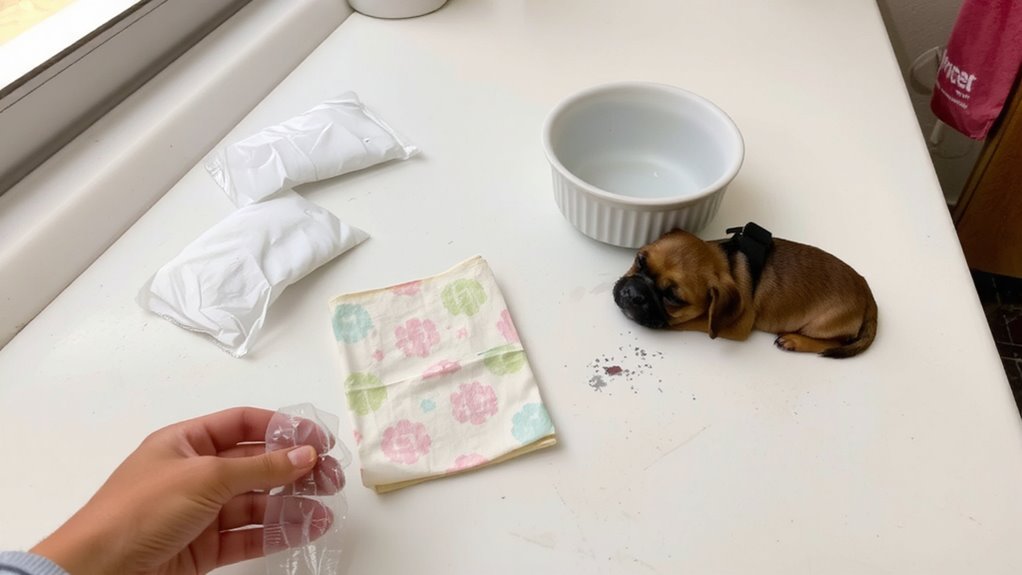
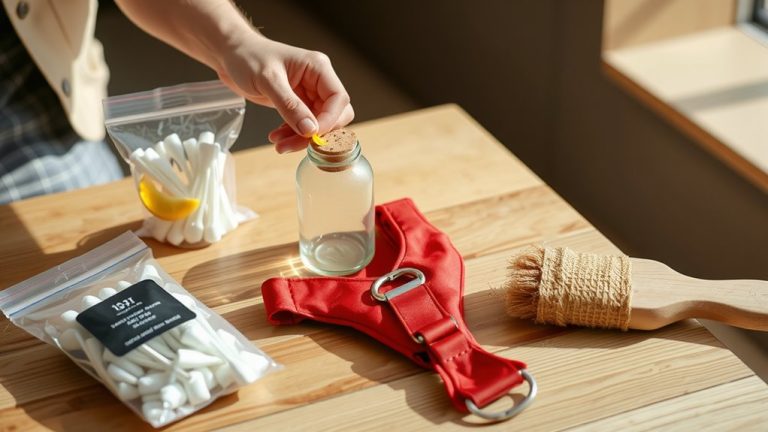
A well-stocked cleaning kit makes all the difference. Choosing tools begins with sterile gauze pads (2-inch squares) and saline solution (0.9% sodium chloride), both vet-recommended for facial residue removal. Include cotton-tipped applicators with non-abrasive tips to reach tight areas around the eyes and muzzle. Use a soft, lint-free microfiber cloth (at least 8×8 inches) to prevent irritation. Pre-moisten wipes must be alcohol-free and pH-balanced for pets. Preparing environment means selecting a quiet, well-lit space with minimal distractions. Guarantee room temperature stays between 68–72°F to prevent stress. Lay down a non-slip mat to stabilize your pet. Keep all supplies within reach but secured to avoid contamination. Proper tool selection and environmental control reduce handling time and improve cleaning accuracy. Efficiency and safety depend on methodical preparation. You’ll minimize discomfort and maximize effectiveness.
Wipe Antiseptic From Your Pet’s Face Safely
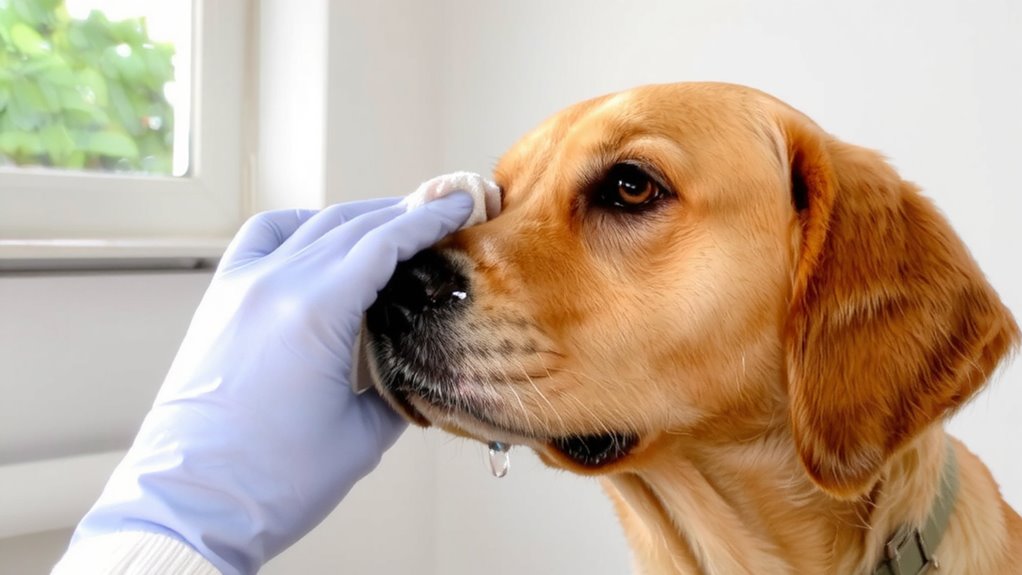
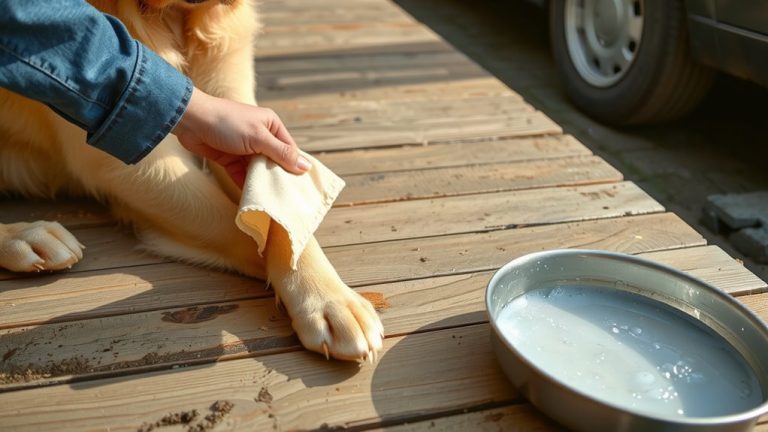
How do you guarantee antiseptic residue doesn’t irritate your pet’s sensitive facial tissues? Use a sterile, non-woven gauze pad moistened with lukewarm saline solution (0.9% sodium chloride). Gently wipe the face using minimal pressure to avoid aggravating facial sensitivity. Start from the inner eye, moving outward in smooth motions. Replace the pad frequently to prevent cross-contamination. Avoid alcohol-based or scented wipes; they increase chemical exposure and can damage mucous membranes. The ideal contact time is 15 seconds per area to dissolve residue without over-moisturizing skin. Use a veterinary-approved wipe if saline isn’t available-check labels for pH balance (6.0–7.5) and absence of chlorhexidine if near eyes. Never scrub. Pat dry with a clean, soft towel. This controlled technique limits irritation potential while ensuring thorough removal.
Spot Skin Irritation or Allergic Reactions
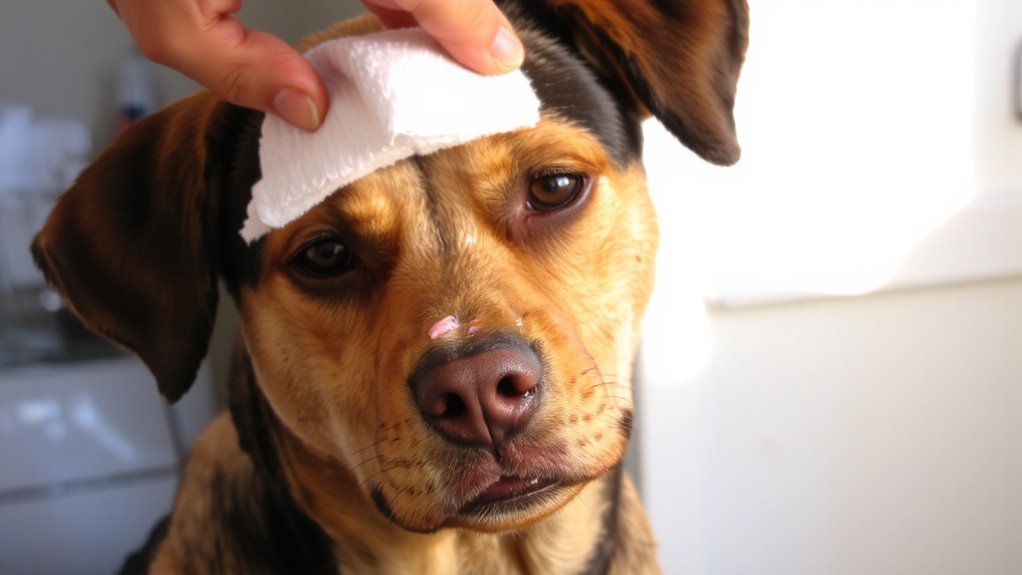
Once the antiseptic is fully removed, check your pet’s face for signs of irritation or allergic reactions right away. Look closely for facial redness, especially around the eyes, ears, and muzzle-common areas of sensitivity. Redness indicates inflammation, often due to chemical irritation or hypersensitivity. Swelling concerns include puffiness of the lips, eyelids, or nose, which may suggest an allergic response. Use natural lighting for accuracy; shadows can obscure subtle changes. Swelling exceeding a 2–3 mm increase in tissue thickness warrants close monitoring. Check for concurrent symptoms like warmth to the touch or persistent pawing at the face. These signs, while not always severe, can escalate quickly. Reaction onset typically occurs within 30 minutes to 2 hours post-exposure. Early detection improves management outcomes. Do not apply topical treatments yet. Record the time, location, and extent of abnormalities for future reference. If symptoms persist, consider using a hypoallergenic itch relief shampoo to soothe irritated skin during subsequent bathing.
Know When to Seek Veterinary Help
What if the redness or swelling doesn’t fade after an hour or two? Persistent redness beyond this window signals a potential adverse reaction. Monitor your pet closely. Unusual behavior-such as excessive pawing at the face, vocalizing, or avoiding touch-can indicate discomfort or pain. These symptoms, combined with swelling or warmth at the site, demand immediate evaluation. Normal irritation typically resolves within 60 minutes with gentle wiping and observation. If clinical signs endure past this period, professional assessment is necessary. Do not administer human medications. Contact your veterinarian promptly if you observe persistent redness, worsening inflammation, or neurological changes like lethargy or imbalance. Early intervention prevents complications. Your vet may recommend topical treatments or oral antihistamines, dosed by weight and species-specific guidelines. Timely care guarantees safety and accurate diagnosis.
Understand Risks of Leftover Antiseptic
Leftover chlorhexidine or iodine-based antiseptics on your pet’s face can cause skin irritation or chemical burns if not properly removed. These residues are especially dangerous near sensitive areas like the eyes. Chemical burns may develop within hours, particularly if the antiseptic concentration exceeds 0.05% in cats or 2% in dogs. Unaddressed exposure can lead to painful inflammation, erythema, and tissue necrosis. Corneal damage is a serious risk if antiseptic runs into the eye, potentially resulting in ulceration or vision impairment. Always rinse the facial area with sterile saline or lukewarm water for at least two minutes post-procedure. Use gauze or a soft cloth to gently wipe folds and crevices where residue collects. Immediate cleaning reduces absorption and minimizes toxicity. Never use alcohol or hydrogen peroxide, as they worsen irritation. Monitor for persistent redness or squinting, which may indicate injury requiring veterinary intervention.
On a final note
You must clean antiseptic residue promptly to prevent skin irritation. Use a soft, lint-free cloth dampened with sterile saline solution-never alcohol or hydrogen peroxide near the eyes. Gently wipe the face using upward strokes, applying minimal pressure. Residual chlorhexidine can disrupt the skin barrier; rinse if concentration exceeds 0.05%. Monitor for erythema or swelling. Seek veterinary care if reactions persist beyond 24 hours.