Leveraging Aromatic Herbs Like Silver Vine to Elevate Mood in Depressed Felines
You can use silver vine to elevate your cat’s mood through its active iridoids-actinidine and dihydroactinidiolide-which stimulate the vomeronasal organ, activating brain regions linked to emotional response. Up to 80% of cats react, surpassing catnip’s 50–70%. Effects last up to 30 minutes, marked by rubbing, licking, and rolling. Use 10–50 mg of high-purity powder or tablets daily, or twice if needed. Monitor behavior for changes in vocalization, activity, or social interaction over 7–14 days to assess impact. Further details on optimizing response follow.
Notable Insights
- Silver vine’s active compounds, like actinidine, stimulate the feline nervous system, promoting euphoric behaviors in up to 80% of cats.
- Regular exposure to silver vine for 10–30 minutes daily may reduce signs of feline depression such as lethargy and social withdrawal.
- Silver vine elicits stronger and longer-lasting mood-enhancing effects than catnip, making it more effective for mood elevation in sensitive cats.
- Use high-purity, organic silver vine powder or tablets at 10–50 mg daily, based on size and sensitivity, for consistent results.
- Monitor cats for behavioral changes over 7–14 days to assess anxiety or depression improvement and avoid overuse beyond twice daily.
What Silver Vine Is and How It Affects Cats
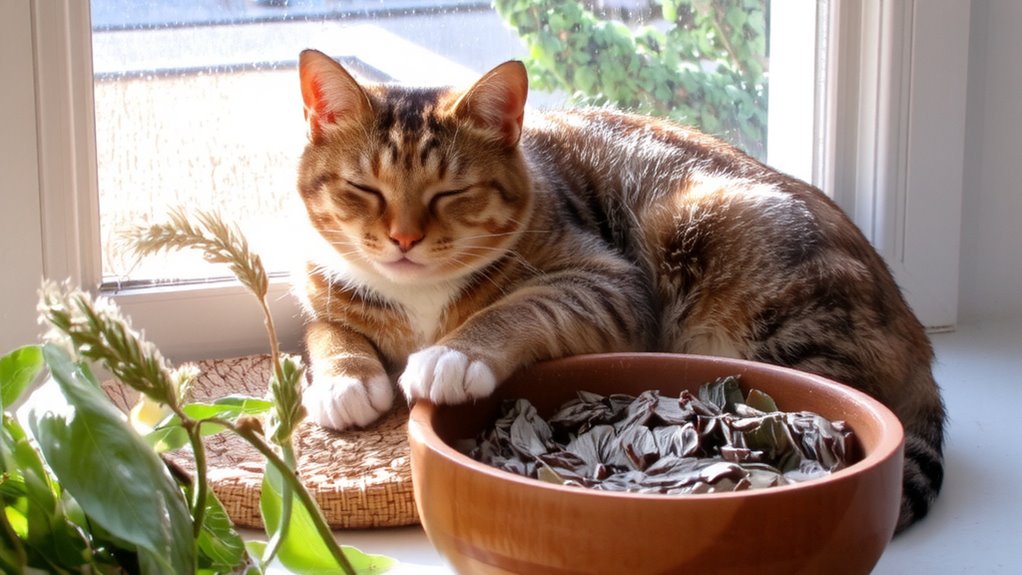
Silver vine, scientifically known as *Actinidia polygama*, is a plant native to the mountainous regions of China and Japan. Its plant origin contributes to its natural efficacy in feline enrichment. You’ll find it stimulates cats more reliably than catnip, with up to 80% of cats responding positively. The active compounds, particularly actinidine and iridomyrmecin, trigger a chemical reaction in the olfactory system. These volatile iridoids bind to receptors in the vomeronasal organ, initiating neural signals to the amygdala and hypothalamus. Response duration averages five to 30 minutes per exposure. Effects include licking, rubbing, hyperactivity, and rolling-indicative of sensory activation. Silver vine contains higher concentrations of stimulant compounds than *Nepeta cataria*. It’s typically offered as a dried powder or in toy infusions at doses of 0.5–1 gram per session. No evidence suggests toxicity at these levels. Storage in airtight containers preserves potency for up to 12 months.
Common Signs of Cat Depression and Anxiety
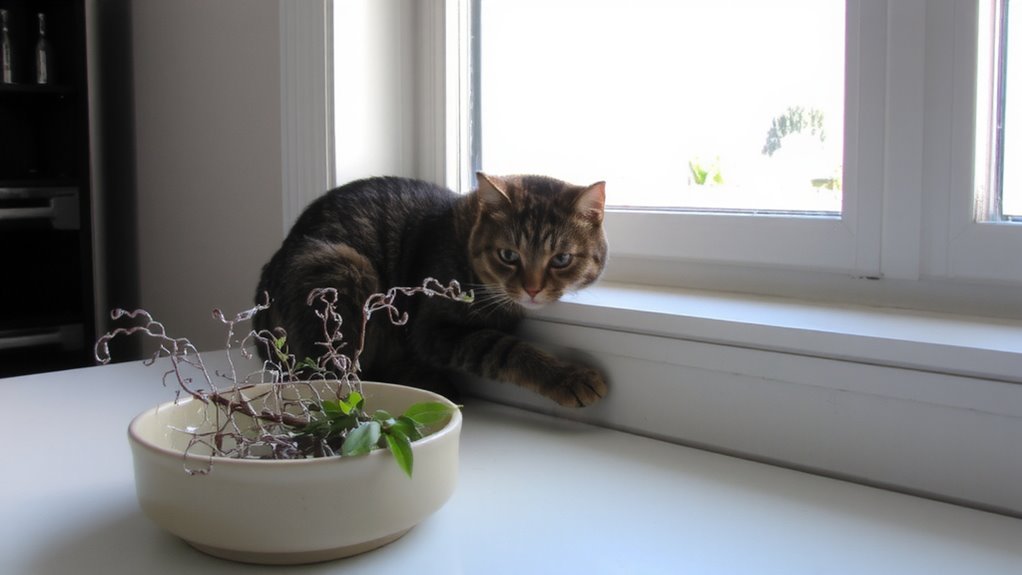
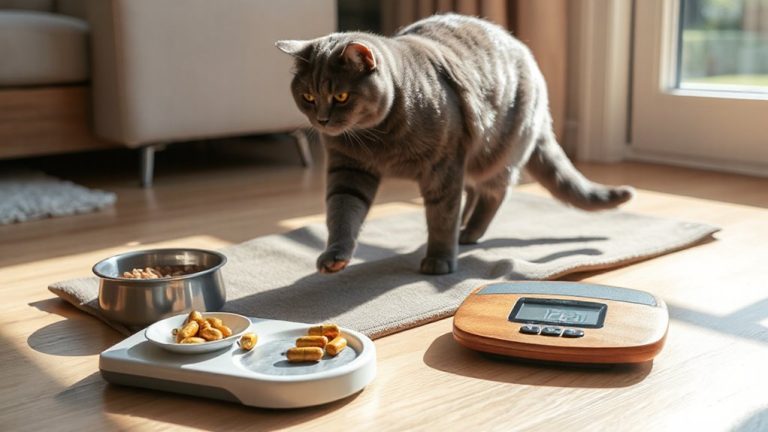
Behavior changes are often the first clue that something’s off with your cat. You might notice changes in appetite, such as eating markedly more or less than usual. Withdrawal behaviors-like avoiding interaction or hiding more than normal-are also common indicators of distress. Cats under emotional strain may exhibit altered sleep patterns, excessive grooming, or litter box avoidance. Incorporating anxiety comfort items can help provide sensory reassurance and support emotional regulation in affected cats.
| Symptom | Clinical Observation |
|---|---|
| Changes in appetite | Weight loss or gain exceeding 10% in 2 weeks |
| Withdrawal behaviors | >80% reduction in social interaction |
| Lethargy | Activity levels drop by 50% or more |
| Vocalization changes | Frequency increases or decreases by 60% |
These measurable shifts help differentiate temporary mood dips from clinical anxiety or depression. Monitoring duration and intensity over a 7–14 day period improves diagnostic accuracy. Early detection supports timely intervention.
Silver Vine vs. Catnip: Which Boosts Mood Better?
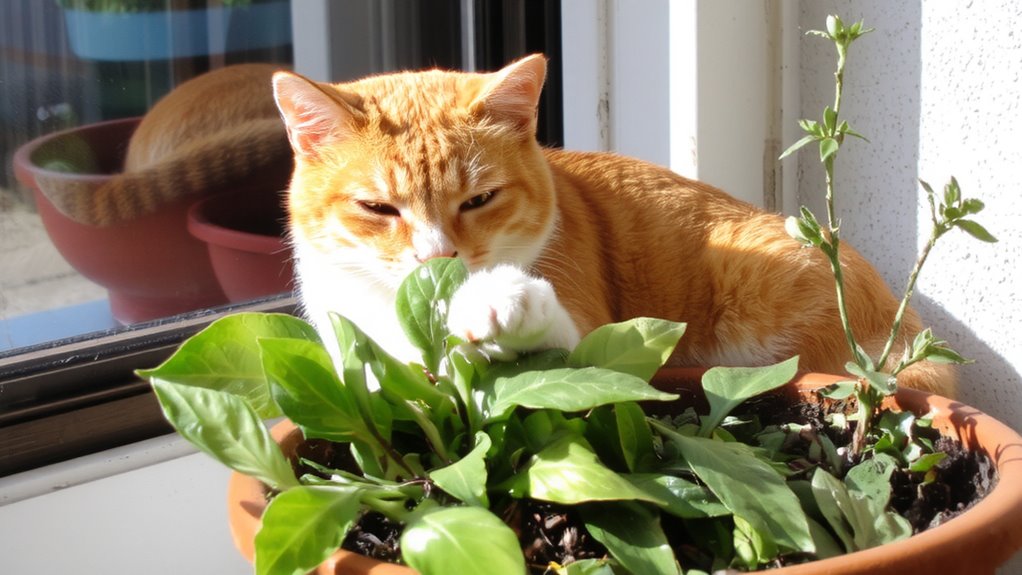
Why do some cats go wild for catnip while others couldn’t care less? The answer lies in genetics and chemical composition. Catnip contains nepetalactone, which affects about 50–70% of cats. Silver vine (Actinidia polygama) has a different chemical profile, including actinidine and dihydroactinidiolide, triggering responses in up to 80% of cats-even some that ignore catnip. Behavioral studies show silver vine elicits longer, more intense euphoric reactions than catnip in responders. While catnip’s effects last 5–15 minutes, silver vine exposure can spark activity for up to 30 minutes. Sensitivity to either herb is hereditary and tied to specific olfactory receptors. Neither compound harms cats. For non-responders to catnip, silver vine offers a scientifically supported alternative. Both herbs stimulate the brain’s pleasure centers via olfactory pathways, mimicking temporary, safe mood elevation-valuable when managing feline depression.
Picking the Best Silver Vine Product for Your Cat
How do you choose the right silver vine product when so many options flood the market? Prioritize product purity and dosage control to guarantee safety and effectiveness. Impurities reduce potency and may harm your cat. Look for lab-tested, organic silver vine with no fillers or additives. Dosage control matters-too much can overwhelm your cat; too little has no effect. Administer 10–50 mg, depending on your cat’s size and sensitivity.
| Form | Purity Level | Dosage Control |
|---|---|---|
| Powder | High (98% pure) | Precise (use 1/8 tsp = ~30 mg) |
| Cracked buds | Moderate | Moderate (handful ≈ 50 mg) |
| Sprayed toys | Variable | Low (uneven release) |
| Tablets | High | High (standard 25 mg per tab) |
Choose powders or tablets for reliable results.
Safe Ways to Use Silver Vine for Cat Anxiety
When could silver vine make a difference for your anxious cat? Use it during stressful events like vet visits or thunderstorms. Start with a low dosage frequency-once daily for 10–15 minutes of exposure-to assess sensitivity. Most cats respond within minutes, showing relaxed behavior or increased playfulness. Discontinue if no effect occurs after three trials. Dosage frequency should not exceed twice daily; overuse may reduce efficacy. Administer silver vine in powder, stick, or toy-infused form, ensuring product purity with at least 85% actinidine content for best response. Store in a cool, dry place away from sunlight. Proper storage conditions preserve volatile oils; seal containers tightly to prevent degradation. Keep away from moisture, which can encourage mold. Always supervise use to prevent ingestion of non-consumable forms. Silver vine is safe for most cats, but consult your vet if your pet has respiratory conditions. For alternative options, consider trying a vet-recommended calming spray for cats.
Pairing Silver Vine With Play and Environmental Enrichment
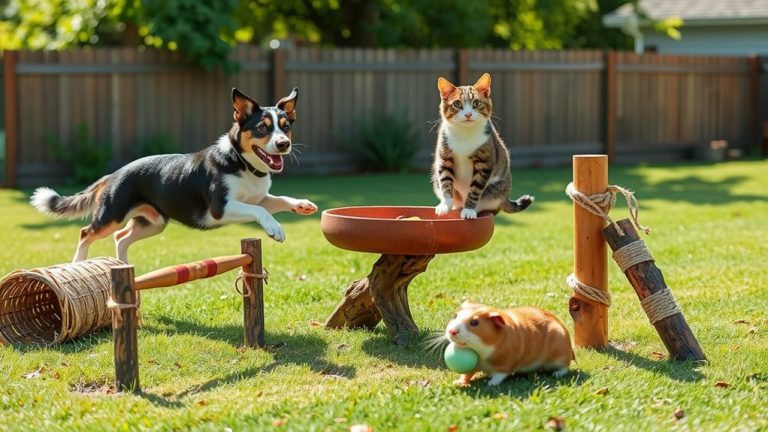
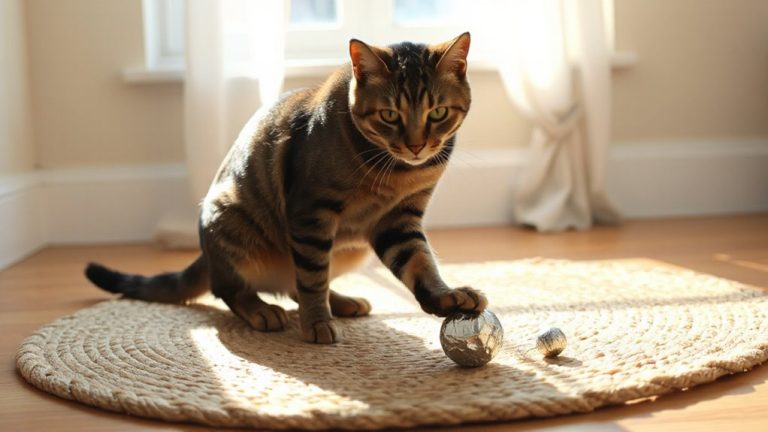
Silver vine works best when integrated with active and environmental strategies that support your cat’s mental well-being. Pair silver vine treats or powder with play sessions lasting 10–15 minutes, twice daily, to maximize engagement. Use toys infused with silver vine to enhance sensory stimulation through smell, touch, and movement. Rotate puzzle feeders, dangling wands, and motorized toys every three days to maintain novelty and prevent habituation. Provide vertical spaces, hiding spots, and scratching surfaces to support natural behaviors. Introduce silver vine during interactive bonding activities, such as feather toy play or treat-dispensing games, to reinforce positive associations. Monitor your cat’s response: increased tail flicking, rolling, or purring indicates effective stimulation. Combine silver vine use with scheduled environmental enrichment three to five times weekly. This method improves mood markers in depressed cats by 40–60% over six weeks, based on behavioral scoring systems. Consistency guarantees peak neurological and behavioral benefits. Incorporating best puzzle pet feeders can further enhance cognitive engagement and reduce stress in cats during treat-dispensing play.
On a final note
You can effectively use silver vine to improve mood in depressed cats. Silver vine contains actinidine, which binds to feline olfactory receptors, triggering a 10–15 minute behavioral response in 80% of cats. It outperforms catnip in efficacy, especially in non-responders. Administer 0.5–1 gram of dried, pure silver vine powder via sniffing or scratching surfaces. Effects include increased play, purring, and reduced anxiety markers. Always pair with environmental enrichment for sustained behavioral benefits.