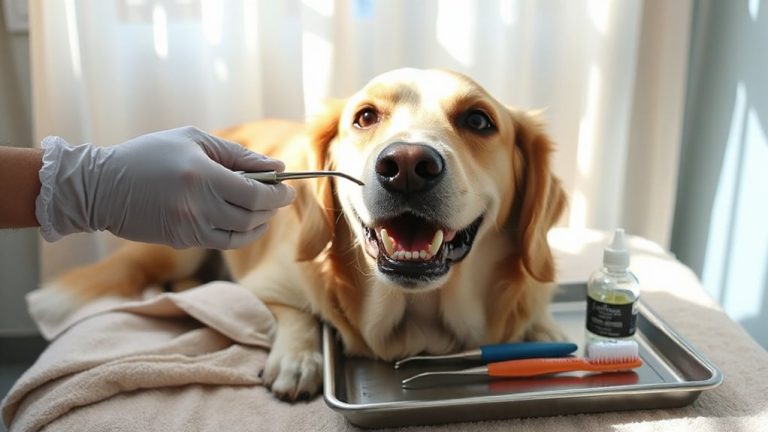
Why Bristle Brushes Are Ideal for Polishing Short Coats Weekly
You get the best results using a bristle brush weekly because its densely packed 0.5- to 0.75-inch natural boar bristles penetrate short coats evenly. These firm, fine bristles remove loose hair and lift surface dirt while stimulating sebum production. The high-density filament spacing-12 to 16 rows-distributes oils from root to tip, enhancing shine without static. A slightly flexible base conforms to body curves, ensuring full contact. Use short, overlapping strokes following hair growth for ideal polish. Consistent use prevents dullness and buildup-discover how timing and technique elevate coat health.
Notable Insights
- Bristle brushes with firm, short boar bristles effectively polish short coats by aligning with hair texture and lifting surface dirt.
- Weekly brushing removes loose hair and prevents matting, especially in high-friction areas like the chest and haunches.
- Natural boar bristles distribute sebum evenly, enhancing shine and maintaining a protective lipid barrier on short coats.
- Dense bristle spacing and proper length (0.5–0.75 inches) ensure skin contact without irritation, ideal for regular use.
- Short, overlapping strokes in weekly routines smooth cuticles, polish the coat, and support early detection of skin issues.
How to Brush Short Coats With a Bristle Brush
When brushing a short coat with a bristle brush, start by selecting a brush with densely packed, firm boar bristles between 0.5 and 1 inch in length. This bristle length matches typical coat texture in short-haired breeds, allowing effective contact with the skin and surface hair. Your brushing technique should follow the hair’s natural lay, using firm, short strokes to lift dirt and distribute oils. Proper technique prevents surface tangles and enhances coat texture by promoting even sebum distribution. Boar bristles generate gentle friction, polishing the coat without causing static. Brush in sections, covering all major muscle groups, especially the back, flank, and chest. The densely packed bristles trap loose hair and debris, improving coat texture with repeated use. A well-executed brushing technique supports coat health, maintains shine, and prepares the surface for additional grooming. Each session should last 5–8 minutes for ideal coverage. Consistent use enhances the coat’s resilience and smoothness over time. For optimal results, consider pairing your bristle brush with one of the top picks from expert-reviewed grooming tools.
Why Weekly Grooming Prevents Coating Problems
Regularly grooming your dog with a bristle brush helps prevent common coat issues before they arise. Weekly brushing removes loose hair, reducing the risk of coat matting, especially along pressure points like the chest and haunches. Bristle brushes distribute natural sebum from the skin across the hair shaft, maintaining a protective lipid layer that guards against moisture imbalances. Without this maintenance, dead skin cells accumulate, increasing the likelihood of skin irritation. The fine, densely packed bristles on standard soft-bristle brushes (typically 0.08–0.12 mm diameter) lift debris without abrading the epidermis. Consistent grooming allows early detection of abnormalities such as localized inflammation or parasitic activity. Brushing for 5–7 minutes weekly guarantees full coverage, reaching the undercoat in double-coated short-haired breeds. This routine stabilizes the coat’s microenvironment, minimizing shedding and improving follicle health. Prevention through frequency is more effective than remediation.
Choose the Best Bristle Brush for Your Pet
A consistent grooming schedule sets the foundation for coat health, but the right tool makes all the difference. Choose a bristle brush with densely packed, natural boar bristles-they evenly distribute skin oils without irritating your pet’s short coat. Brush materials matter: natural bristles are finer and more flexible than synthetics, improving detangling and shine. For delicate skin, opt for brushes with rounded nylon tips to maximize pet comfort. The ideal brush head measures 3 to 5 inches, allowing full-contact strokes across broad areas like the back and sides. Ergonomic handles reduce hand fatigue during use, especially important for thick-coated breeds. Bristle length should be 0.5 to 0.75 inches-long enough to penetrate the topcoat, short enough to avoid scalp pressure. High-density bristle spacing (12–16 rows) guarantees consistent coat contact. Select a design with a slightly flexible base to conform to body contours, enhancing both effectiveness and pet comfort. For the best results, consider one of the top picks for small pet brushes from expert reviews.
Brush for a Shiny, Healthy Coat in 5 Steps
Five quick steps can transform your pet’s short coat into a glossy, healthy covering. Begin by selecting a natural bristle brush with densely packed, firm yet flexible filaments-ideal for distributing skin oils evenly. Start brushing in the direction of hair growth, using short, overlapping strokes to lift dirt and detritus. This motion improves coat texture by smoothing cuticle layers and enhancing natural shine. Brush in sections, focusing on one area at a time for complete coverage. Maintain consistent brushing frequency-once weekly-to prevent matting and reduce shedding. Regular brushing stimulates blood flow in the dermal layer, promoting healthier fur growth. Finish each session with a final pass to guarantee even oil distribution and a polished appearance. These steps, applied systematically, preserve coat integrity, enhance appearance, and support long-term skin health without overhandling or irritation. For short-haired pets, using the right tool makes all the difference, and among the top choices are best pet grooming brushes for short hair.
Clean Your Bristle Brush to Keep It Effective
After each grooming session, your bristle brush holds onto more than just memories-it traps hair, skin oils, and debris that diminish its effectiveness. Regular brush maintenance is essential for peak performance. Begin by removing trapped hair with a comb or brush-cleaning tool. Soak the bristle base in warm, soapy water (use mild dish soap) for 10–15 minutes to dissolve oils. Avoid submerging the handle to prevent warping or adhesive breakdown. Rinse thoroughly under running water, verifying no soap residue remains. Shake off excess moisture and air-dry bristle-side down to preserve shape and prevent water damage. This simple routine enhances hygiene practices and extends brush life. Clean bristles transfer fewer contaminants, improving coat polish and reducing skin irritation. For best results, deep-clean weekly. Proper care guarantees consistent texture, tension, and contact with the coat-critical for short-haired breeds needing weekly shine and conditioning.
On a final note
You keep your pet’s short coat polished weekly with a bristle brush. This routine removes loose hair and distributes natural oils. Bristles, typically 0.5 to 1.2 mm in diameter, penetrate close to the skin without irritation. Natural boar bristles enhance shine; nylon variants improve durability. A 2-inch-wide brush covers more surface area efficiently. Regular cleaning maintains bristle stiffness and function. Consistent use prevents matting and improves coat texture. Proper tools and technique guarantee excellent grooming results.