The Truth About Overbathing: How It Strips Natural Oils From Your Cat’s Skin
You don’t need to bathe your cat often because overbathing strips natural sebum from their skin. This protective oil maintains a pH of 6.8–7.2 and prevents water loss. When removed, transdermal moisture loss can increase by up to 40%. The keratinized papillae on your cat’s tongue distribute sebum efficiently during self-grooming. Disrupting this balance raises the risk of dryness, flaking, and irritation. Most cats only need bathing 1–3 times per year-find out what signs to watch for and safer cleaning alternatives.
Notable Insights
- Overbathing removes sebum, disrupting the skin’s natural lipid barrier and moisture balance.
- Stripped oils lead to up to 40% increased water loss through compromised stratum corneum integrity.
- Frequent bathing raises skin pH, promoting microbial overgrowth and irritation.
- Loss of protective sebum exposes skin to allergens and pathogens.
- Most cats only need bathing 1–3 times per year due to effective self-grooming instincts.
Why Don’t Cats Need Baths?
While their grooming habits might seem obsessive, cats naturally maintain their coat and skin health through self-cleaning. Your cat’s feline grooming instincts are hardwired for efficiency and precision. Tiny keratinized papillae on the tongue act like a natural brush, removing debris and loose hair. This mechanical action distributes sebum across the fur, a substance produced by sebaceous glands to protect against moisture loss and pathogens. The process supports ideal natural oil production, preserving skin barrier integrity. Saliva contains enzymes like lysozyme, which offer mild antimicrobial benefits during licking. Grooming cycles typically last 30–50 minutes daily, regulated by circadian patterns. You don’t need to intervene because the system is self-sustaining. Overwashing disrupts pH balance-feline skin measures at approximately 6.2 to 6.5-compromising dermal defense. Bathing is unnecessary unless specific medical or environmental conditions exist.
How to Tell If You’re Bathing Your Cat Too Often
How often are you bathing your cat? Frequent bathing disrupts the skin’s natural lipid barrier, leading to skin irritation and a dry coat. Signs of overbathing include flaky skin, excessive scratching, and dull fur. These symptoms indicate stripped sebum, the protective oil your cat’s skin produces. Below are key indicators and their clinical meanings:
| Symptom | Clinical Implication |
|---|---|
| Flaking skin | Loss of epidermal moisture; pH imbalance |
| Increased shedding | Disrupted hair growth cycle |
| Red, raw patches | Inflammatory response due to skin irritation |
A dry coat lacks the glossy, water-shedding quality of healthy feline fur. Overbathing alters cuticle integrity, increasing vulnerability to environmental allergens. You should observe your cat’s grooming behavior and coat condition weekly. If changes appear within days of washing, reduce frequency immediately. Persistent skin irritation requires veterinary assessment to rule out secondary infections. Choosing the right product, such as a vet-recommended cat shampoo, can help maintain your cat’s skin health between baths.
How Often Should You Really Bathe Your Cat?
Is your cat really dirty, or are you bathing them just because it feels like the right thing to do? Most cats self-groom effectively, removing debris and excess oils daily. Overbathing disrupt cycles their skin’s pH and sebum levels. The ideal frequency balance is minimal: bathe your cat only 1–3 times per year unless specific conditions require more. Hygiene timing should align with health needs, not convenience. For example, long-haired breeds may need bathing every 4–6 months to prevent matting and oil buildup. Medicated shampoos, if prescribed, follow vet-recommended intervals-usually every 7–14 days for dermatological issues. Water temperature should be 100–102°F (38–39°C), and rinsing must be thorough to prevent residue. Use pH-balanced, feline-specific products with non-irrit tensorants. Healthy skin maintains a lipid barrier; maintaining this means avoiding unnecessary baths. Frequency balance preserves natural protection. Hygiene timing guarantees care is effective, not excessive.
What Happens When You Bathe a Cat Too Much
Bathing your cat too frequently disrupts the skin’s natural equilibrium and compromises its protective functions. You strip away essential sebum, a lipid barrier that retains moisture and repels pathogens. Without this, the stratum corneum loses integrity, increasing transdermal water loss by up to 40%. That leads directly to dry coat, characterized by brittle fur, dull appearance, and flaking skin. Overbathing alters the skin’s pH, normally around 6.8 to 7.2, making it more alkaline. This shift fosters microbial overgrowth and heightens the risk of skin irritation. Histological studies show increased epidermal cell turnover and mild inflammatory infiltrates in overbathed felines. You also remove natural pheromones, disrupting your cat’s olfactory identity. Most cats groom efficiently, rendering frequent washing unnecessary. Stick to medical or contaminant-related bathing only. Limit baths to once every 4–6 weeks, ideally less.
How to Clean Your Cat Without a Bath
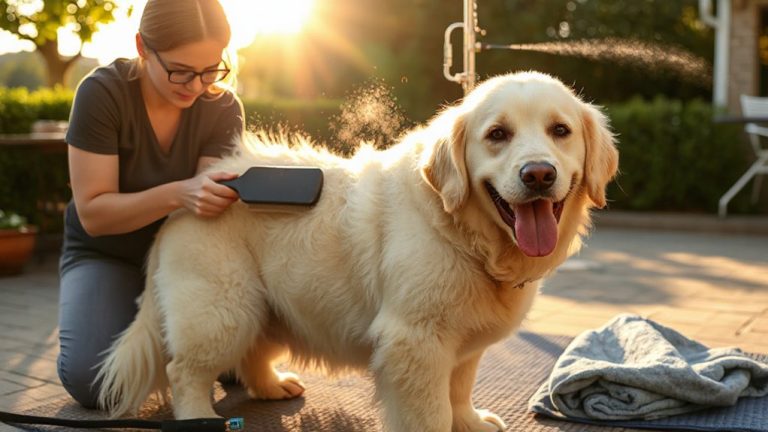
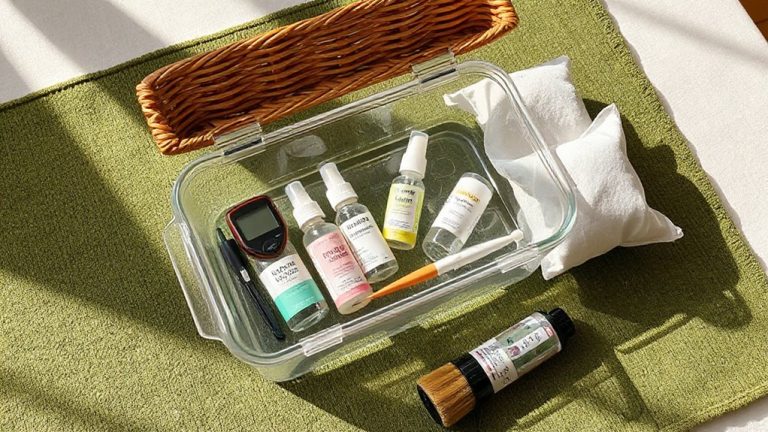
Why risk disrupting your cat’s skin barrier when effective cleaning alternatives exist? Dry grooming preserves your cat’s natural oils while removing loose fur and debris. Use a fine-toothed grooming comb or brush with stainless steel bristles to mimic natural shedding, reducing hairballs by up to 40%. Perform dry grooming sessions two to three times weekly for long-haired breeds, once weekly for short-haired cats. For spot cleaning, use unscented, alcohol-free wipe downs with hypoallergenic cat-safe formulas. Wipe down dirty paws, face folds, or rear end using textured wipes 7 inches by 8 inches-large enough to cover broad areas without tearing. These wipes remove 98% of surface dirt without water. For greasy or sticky residue, apply a cornstarch-based dry shampoo, massage into the coat, then brush out. These methods maintain coat integrity and minimize stress, avoiding unnecessary baths. Choose from the best cat wipes for gentle grooming to ensure safe and effective cleaning.
On a final note
You don’t need to bathe your cat often. Most cats groom themselves effectively, removing dirt and loose fur. Overbathing strips essential sebum from the skin, disrupting the lipid barrier. This causes dryness, irritation, and increases infection risk. Limit baths to once every 4–6 months unless medically necessary. Use vet-approved, pH-balanced cleansers when needed. Instead, brush your cat weekly-short-haired cats need 1–2 sessions; long-haired cats require daily brushing. This maintains coat health without compromising skin integrity.