Dental Scaling Alternatives for Senior Pets Unsuitable for Anesthesia Due to Age
If your senior pet can’t tolerate anesthesia, non-anesthetic options offer limited plaque control. Hand scaling removes only 40–60% of visible tartar, missing subgingival bacteria in pockets 3–5 mm deep. Ultrasonic tools vibrate at 25,000–40,000 Hz but can’t clean below the gumline without sedation. Enzymatic cleansers reduce plaque formation by up to 60% when used daily with physical wiping. These methods won’t treat existing periodontal disease-knowing when they fall short is critical for long-term oral health.
Notable Insights
- Non-anesthetic dental scaling only removes surface tartar and cannot address subgingival disease in senior pets.
- Enzymatic cleansers reduce plaque by up to 60% when used daily with direct tooth contact.
- Hand scaling without anesthesia poses risks of gum injury and is ineffective below the gumline.
- Ultrasonic tools without sedation are limited by pet movement and cannot clean deep periodontal pockets.
- Pets with tooth mobility or gum recession need radiographs and treatments only possible under anesthesia.
Is Anesthesia-Free Dental Care Safe for Senior Pets?
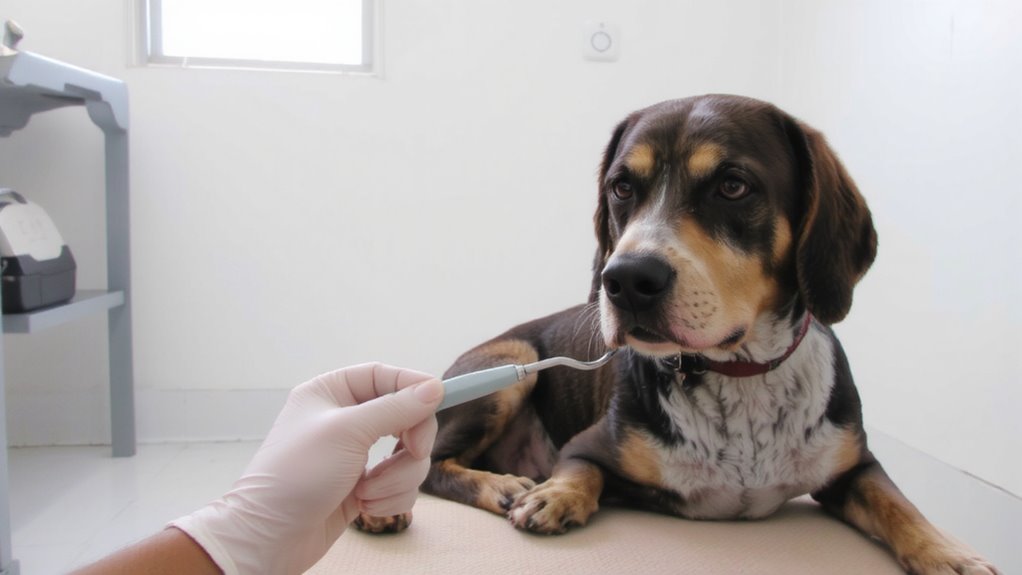
Could skipping anesthesia really protect your senior pet’s health during dental care? Anesthesia-free dental scaling carries significant risks, particularly for older animals. Gum recession risks increase when plaque and tartar are removed improperly, exposing sensitive root surfaces. You might not realize that aggressive scaling without proper restraint can accelerate this damage. Tooth sensitivity concerns are also heightened, as exposed dentin conducts temperature and pressure more acutely. Without anesthesia, pets often move unpredictably, preventing thorough subgingival cleaning-essential for periodontal health. Hand tools can’t consistently reach below 3–5 mm pocket depths, common in seniors. Incomplete cleaning leaves bacterial colonies intact, promoting continued infection. Radiographs can’t be taken without sedation, so hidden lesions go undetected. While avoiding anesthesia seems safer, it often compromises diagnostic accuracy and treatment completeness, potentially worsening long-term oral health despite short-term safety appearances.
Hand Scaling Without Anesthesia: Effective for Older Pets?
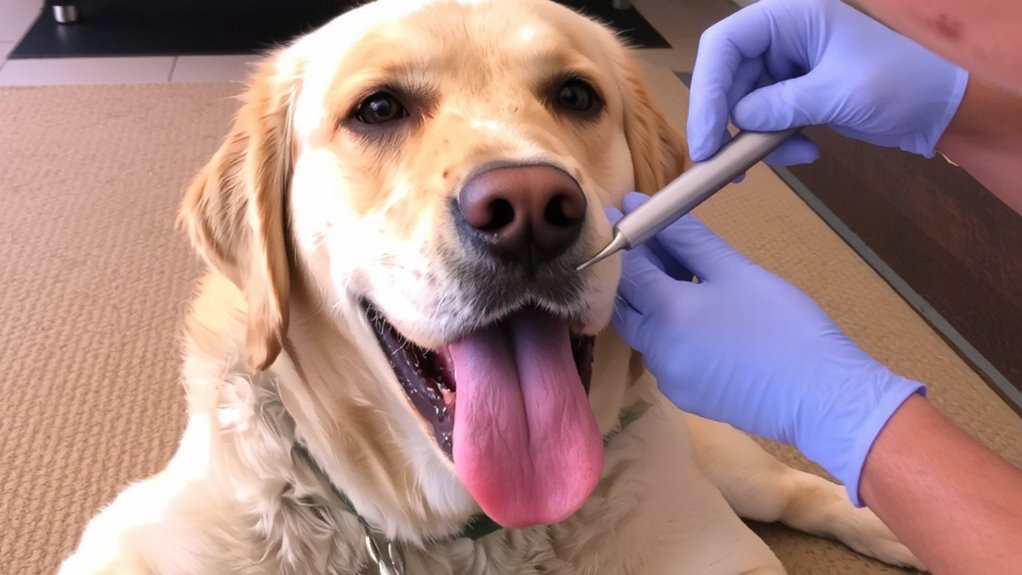
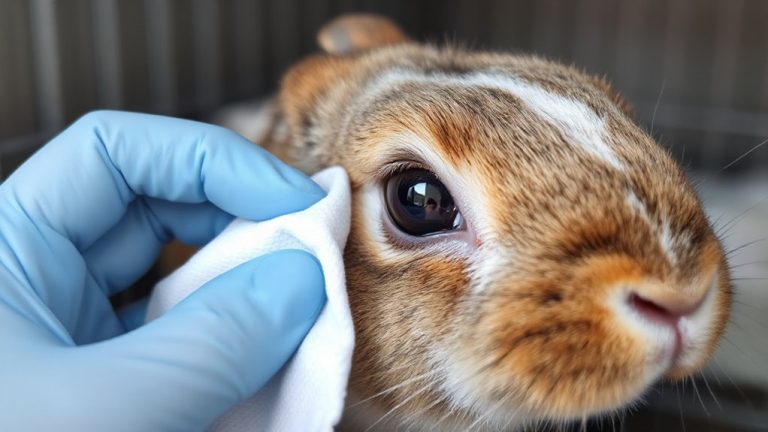
Why rely on hand scaling alone for your senior pet’s dental care when its limitations may compromise critical periodontal health? Hand scaling removes visible tartar buildup but cannot reach subgingival plaque, leaving infection sources intact. Most dental disease occurs below the gumline-areas hand tools can’t access without proper retraction and patient cooperation. Without anesthesia, your pet may move suddenly, increasing risk of gum injury. This method offers only cosmetic improvement, not therapeutic benefit. Over time, unchecked bacteria contribute to gum recession and bone loss. You might see cleaner teeth, but hidden disease progresses. Hand instruments, typically made of carbon steel, require sharpening every 10–15 uses to maintain efficacy. Even with skilled handling, they remove just 40–60% of supragingival calculus. For older pets with existing gum recession or deep pockets, this superficial cleaning may accelerate sensitivity and tissue damage. Effective dental care demands thorough debridement-something hand scaling alone can’t deliver.
Ultrasonic Tools Without Anesthesia: Pros and Cons
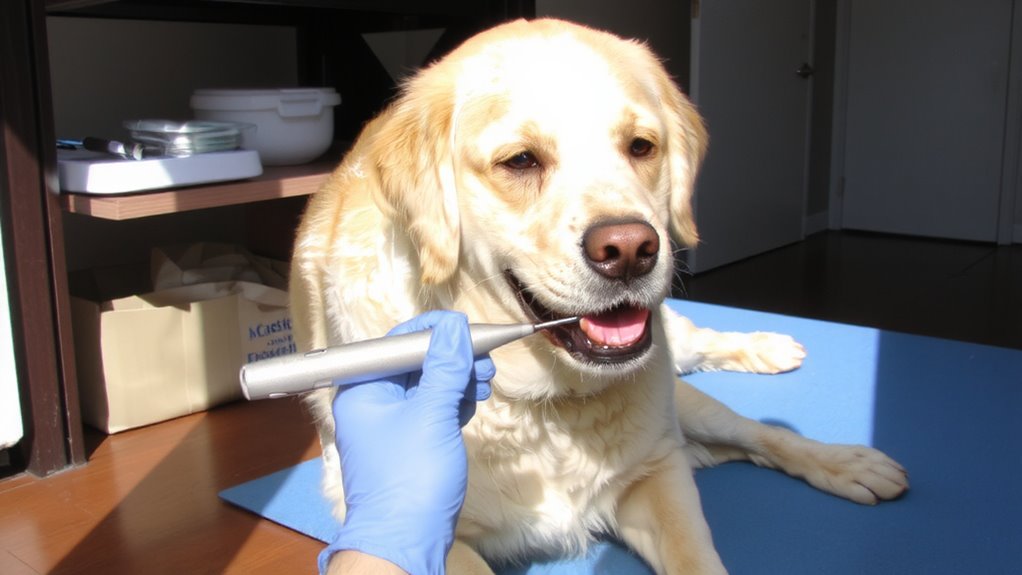
How effectively can ultrasonic tools clean your senior pet’s teeth without anesthesia? Ultrasonic effectiveness drops markedly in unanesthetized pets due to limited access and motion tolerance. These devices operate at 25,000 to 40,000 vibrations per second, disrupting plaque and calculus on exposed surfaces. However, subgingival cleaning-the critical area below the gumline-is nearly impossible without full immobilization. Your pet’s movement restricts thorough application, leaving pathogens intact. A major drawback is noise sensitivity; the high-frequency sound and vibration often trigger anxiety or resistance, especially in older animals with diminished hearing. You’ll find that cooperation declines during prolonged sessions, reducing efficacy. Though useful for surface maintenance, ultrasonic tools can’t replicate anesthetic scaling’s thoroughness. They demand frequent use to yield modest results. Always assess your pet’s temperament and sensory thresholds before choosing this method.
Can Enzymatic Cleansers Prevent Plaque in Senior Pets?
Enzymatic cleansers offer a non-invasive way to manage plaque in senior pets, especially when physical tolerance limits more aggressive procedures. These products rely on enzyme effectiveness to break down oral biofilm. Common formulations include glucose oxidase and lactoperoxidase, which generate low levels of hydrogen peroxide-typically 0.05% to 0.1%-during metabolic reactions. This biochemical action disrupts bacterial cell walls, aiding plaque inhibition. Applied daily via gels, water additives, or oral sprays, they reduce new plaque formation by up to 60% over 30 days in controlled studies. Consistency matters most-missing applications decrease efficacy. Most veterinarians recommend combining enzymatic use with daily tooth wiping for best surface contact. While they don’t remove existing calculus, they slow accumulation. Enzyme stability depends on storage; exposure to heat over 86°F (30°C) degrades activity within weeks. Results vary based on pet compliance and saliva pH, which affects enzyme function. Proper lighting conditions can influence pet activity levels and oral health maintenance routines.
When Non-Anesthetic Dental Care Isn’t Enough: Red Flags
When does gentle home care stop being enough for your senior pet’s teeth? When you see clear signs of advanced dental disease, non-anesthetic methods aren’t sufficient. Tooth mobility and severe gum recession indicate deep-periodontal damage that cleaning can’t resolve. These conditions often stem from chronic infection and bone loss, which require surgical or medical intervention.
| Sign | Clinical Implication |
|---|---|
| Tooth mobility | Indicates supporting bone loss; stage 2 or higher requires professional evaluation |
| Gum recession | Exposes root surfaces, increasing infection and sensitivity risk |
| Persistent halitosis | Suggests bacterial overgrowth unresponsive to surface cleaning |
| Oral bleeding | Signals ulceration or advanced periodontitis needing diagnostic imaging |
Home care can’t reverse structural damage. If you observe these red flags, consult your vet. Delaying treatment risks pain, abscesses, or systemic infection. Non-anesthetic options help maintain health but aren’t curative for established pathology.
Which Non-Anesthetic Method Is Right for Your Senior Pet?
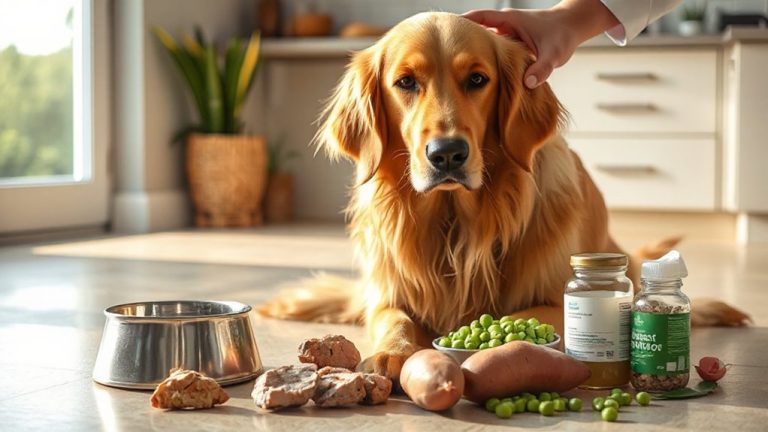
Why might your senior pet need a specific type of non-anesthetic dental care? Age-related health decline increases anesthesia risks, making alternatives essential. Diet modification plays a critical role: switching to veterinary-prescribed dental diets reduces plaque buildup by up to 30%. These diets feature kibble with altered texture and fiber content, promoting mechanical cleaning during chewing. Chew toys made from medical-grade polymers help too-they’re designed with abrasive surfaces that remove soft plaque without damaging enamel. Look for toys with VOHC (Veterinary Oral Health Council) approval, indicating proven efficacy. Daily use for 10–15 minutes yields measurable tartar reduction. Combine both approaches for synergistic results. Neither replaces professional cleaning, but together they slow disease progression. Monitor tooth wear and consult your vet every three months. Consistency and product specificity determine success.
On a final note
You must weigh risks and benefits carefully. Non-anesthetic dental methods suit only select senior pets with mild plaque. Hand scaling removes surface tartar but cannot reach subgingival areas. Ultrasonic tools reduce buildup efficiently but require cooperation. Enzymatic cleansers slow plaque at 68–72% efficacy when used daily. These methods lack the depth of anesthetic cleanings, which include full probing, x-rays, and subgingival curettage. You should monitor for halitosis, bleeding, or dysphagia-signs treatment is insufficient.