Why Some Dogs Develop Food Intolerances Later in Life and How to Manage Them
Your senior dog may develop food intolerances due to age-related declines in digestive enzyme production-reduced by up to 30%-and shifts in gut microbiota that impair nutrient absorption. Unlike allergies, these non-immune reactions stem from enzyme deficiencies or additive sensitivities, causing gas, bloating, or loose stools. Common triggers include beef, dairy, wheat, and soy. Manage them with a vet-recommended limited-ingredient or hydrolyzed protein diet. Consistent feeding and elimination trials help identify triggers-there’s more to discover about long-term digestive support.
Notable Insights
- Aging reduces enzyme production and nutrient absorption, making senior dogs more prone to food intolerances.
- Changes in gut flora and increased intestinal permeability can trigger late-onset food intolerances in older dogs.
- Prolonged exposure to common proteins like beef, chicken, or dairy may lead to reactivity over time.
- An 8–12 week elimination diet with a novel or hydrolyzed protein is the most reliable way to diagnose intolerances.
- Limited-ingredient, vet-recommended diets help manage symptoms and support digestion and skin health in affected dogs.
Is Your Older Dog Showing Signs of Food Intolerance?
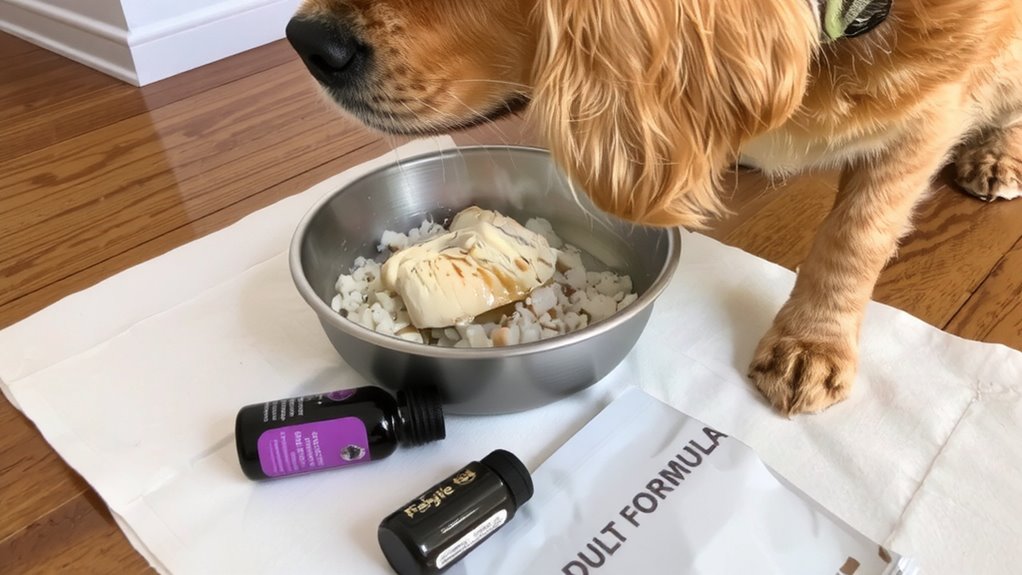
Could your older dog’s digestive issues or skin irritations stem from a food intolerance? Digestive changes commonly occur in senior dogs, reducing their ability to process certain ingredients efficiently. These changes may impair nutrient absorption, leading to deficiencies despite adequate food intake. Symptoms like chronic gas, soft stool, or recurrent ear infections can signal an intolerance. Unlike acute reactions, these responses develop gradually. Ingredients such as dairy, soy, or wheat often trigger such responses. The intestinal lining may become irritated, limiting surface area for absorption. This compromises essential nutrients like fats, proteins, and fat-soluble vitamins. Blood tests won’t detect intolerances-elimination diets are the diagnostic standard. Shift to a hydrolyzed protein or novel protein diet for 8–12 weeks. Guarantee the diet contains a single protein and carbohydrate source. Monitor symptoms weekly. Improvement often occurs within 3 weeks.
Food Allergy vs. Food Intolerance: Key Differences in Dogs

Why do some dogs react strongly to certain foods, and how can you tell if it’s an allergy or just an intolerance? A food allergy triggers an immune response, often to specific proteins like beef or chicken. This reaction involves antibodies and can cause skin lesions, chronic ear infections, or gastrointestinal distress. In contrast, food intolerance doesn’t involve the immune system. Instead, it impairs nutrient absorption due to enzyme deficiencies or sensitivities to additives. Symptoms tend to be limited to digestive upset-gas, bloating, or loose stools. Allergies can develop at any age and require strict avoidance of the offending ingredient. Intolerance may allow for small exposures without severe consequences. Diagnosing either condition often involves an elimination diet lasting 8–12 weeks. You’ll monitor symptoms closely and reintroduce foods systematically. Proper identification guarantees your dog receives balanced nutrition without adverse reactions.
Why Senior Dogs Develop Food Sensitivities

As dogs age, their digestive systems undergo significant physiological changes-many senior dogs develop food sensitivities due to reduced enzyme production and slower gastrointestinal motility. This decline impairs nutrient absorption and increases digestive stress. Your dog’s pancreas produces fewer digestive enzymes, making it harder to break down proteins, fats, and carbohydrates efficiently. Reduced motility prolongs food transit time, promoting bacterial imbalances and inflammation.
| Digestive Factor | Age-Related Change |
|---|---|
| Enzyme production | Decreases by up to 30% |
| Nutrient absorption | Impaired in the small intestine |
| Gut lining integrity | Thins, increasing permeability |
| Microbiome balance | Shifts toward less beneficial flora |
These shifts compromise digestive health over time. Sensitivities emerge not from the immune response typical of allergies but from functional decline. You’ll notice softer stools, gas, or appetite changes. Managing these sensitivities begins with understanding your senior dog’s altered physiology-not just their diet.
Common Food Triggers in Aging Dogs
Certain ingredients in dog food become harder to tolerate as your pet ages, even if they showed no issues earlier in life. Grain sensitivity is a common trigger, with wheat, corn, and soy provoking gastrointestinal upset or skin irritation in senior dogs. These grains contain proteins like gluten that may resist complete digestion, leading to immune activation. Protein reactivity increases with age due to declining digestive efficiency and changes in gut permeability. Common culprits include beef, dairy, and chicken, which account for over 70% of reported cases. These proteins may be perceived as foreign invaders, prompting chronic inflammation. Ingredients once well-tolerated can provoke responses after years of exposure. Monitoring your dog’s reaction to novel proteins like venison or duck helps identify triggers. Limited-ingredient diets with hydrolyzed proteins reduce allergenic potential. Fiber content above 5% from non-grain sources supports gut health without exacerbating sensitivity.
How Vets Diagnose Food Intolerances
While symptoms like chronic diarrhea, itching, or ear infections may point to dietary issues, only a structured approach can confirm a food intolerance in dogs. Your vet will first rule out other medical conditions through physical exams and lab work. Blood testing isn’t reliable for detecting food intolerances, as it often produces false positives; it’s more useful for identifying infections or organ dysfunction. The gold standard is an elimination trial lasting 8–12 weeks. During this time, you’ll feed your dog a hydrolyzed protein or novel ingredient diet-such as venison and potato or duck and pea-containing no previously consumed proteins. You must avoid all treats, table scraps, and flavored medications. A positive response-reduced symptoms-confirms intolerance. A challenge phase follows: reintroducing old ingredients to identify the trigger. This method delivers accurate, observable results critical for long-term dietary planning.
Best Diets for Dogs With Digestive Sensitivities
What if your dog’s upset stomach isn’t just a passing issue but a sign of deeper digestive sensitivity? Then you need a diet formulated for digestive health. Start with grain alternatives like sweet potato, chickpeas, or tapioca, which reduce inflammatory responses in sensitive guts. These carbohydrates offer consistent energy without triggering common allergens. Look for formulas with a balanced fiber content-between 2% and 4% crude fiber-to support motility and microbiome stability. Soluble fiber, such as psyllium or beet pulp, helps retain water and firm stools, while insoluble fiber aids in moving food through the GI tract. Over 70% of digestive-focused veterinary diets contain hydrolyzed proteins, making them easier to absorb. Choose limited-ingredient diets with named protein sources and guaranteed digestibility above 85%. These specifications guarantee nutrient uptake without gut irritation. For picky eaters with sensitivities, consider highly palatable options featuring novel proteins and prebiotic blends, as seen in the best dry dog food for picky eaters.
How to Prevent Future Food Reactions in Senior Dogs
As your dog ages, their digestive system becomes less resilient, making proactive dietary management key to avoiding adverse food reactions. Prioritize gut health with prebiotic fibers like FOS and MOS at 0.2–0.4% inclusion rates in their diet. These compounds nourish beneficial intestinal microbiota, improving nutrient absorption and reducing fermentation byproducts that trigger sensitivities. Include omega-3 fatty acids from fish oil-EPA and DHA at 500–1,000 mg daily-to support immune regulation and minimize inflammatory responses. Choose limited-ingredient diets with novel proteins like hydrolyzed duck or venison, which reduce antigen exposure. Feed consistent meals at regular intervals to stabilize digestive transit time. Avoid fillers such as corn, soy, and artificial additives known to disrupt gut barrier integrity. Rotate protein sources every 6–8 weeks to prevent immune over-sensitization. Monitor stool quality using the Bristol scale; ideal scores range from 2–3. These strategies collectively enhance immune support and maintain digestive equilibrium in senior dogs. For dogs with identified sensitivities, switching to a limited ingredient diet can significantly reduce the risk of adverse reactions.
On a final note
You can manage your senior dog’s food intolerance effectively with precise dietary adjustments. Elimination diets lasting 8–12 weeks, featuring hydrolyzed proteins or novel protein sources like venison or duck, help identify triggers. Monitor stool consistency and skin condition, as improvement often occurs within three weeks. Use veterinary-recommended commercial diets with balanced electrolytes and digestible fiber (e.g., 2–4% beet pulp). Rotate proteins cautiously to prevent new sensitivities.