How to Choose Wet Food for Cats With Delicate Digestive Systems
Watch for signs like diarrhea, vomiting, or appetite loss lasting over 48 hours-they signal digestive distress. Choose wet food with highly digestible animal proteins like chicken (92% digestibility) or egg (98%). Opt for limited ingredient formulas with 8–10 components and a single protein source to reduce allergen exposure. Avoid grains, artificial preservatives, and fillers that strain the gut. Select grain-free carbs like pumpkin and maintain moisture levels between 75–80% to support motility. A gradual shift over seven days minimizes disruption. There’s a precise way to match nutrients to your cat’s gut biology.
Notable Insights
- Look for consistent stool changes over 48 hours to identify digestive distress requiring dietary adjustment.
- Choose wet foods with highly digestible animal proteins like chicken, turkey, or egg for optimal nutrient absorption.
- Opt for limited ingredient formulas with a single animal protein to minimize gastrointestinal upset and allergen exposure.
- Avoid artificial additives, grains, and common allergens like dairy and soy to reduce digestive strain.
- Transition gradually over seven days, increasing new food incrementally to match your cat’s digestive turnover.
Know the Signs of Cat Digestive Sensitivity
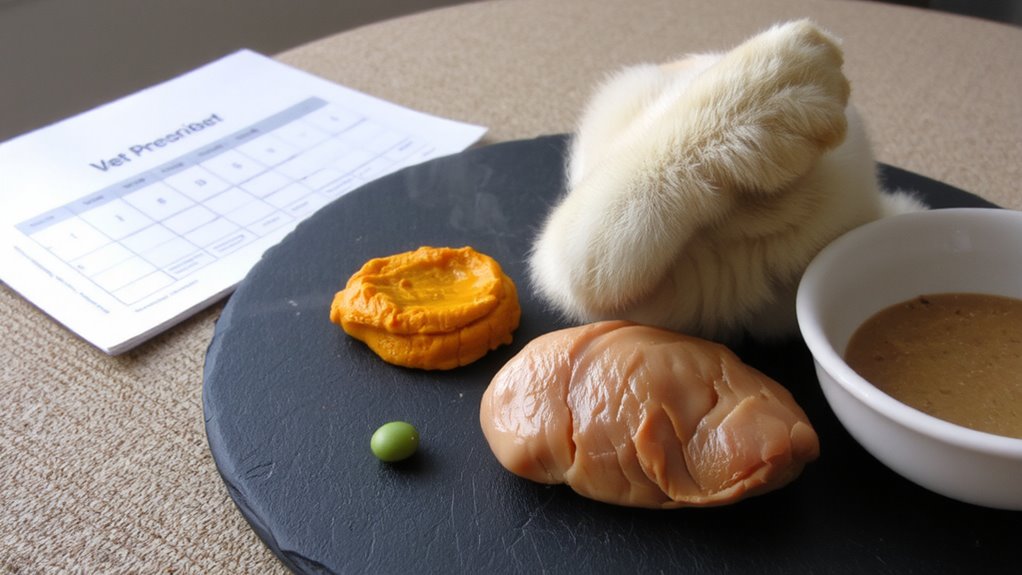
Why does your cat avoid their food bowl after just a few bites? This behavior often signals digestive sensitivity, commonly triggered by food allergies or stress triggers. Cats with food allergies may react to proteins like beef or dairy, causing gastrointestinal distress. Symptoms include vomiting, diarrhea, or inconsistent stool quality lasting over 48 hours. Stress triggers-such as environmental changes or loud noises-can worsen gut motility and reduce appetite. You might also notice excessive grooming or lethargy alongside eating avoidance. These signs suggest compromised nutrient absorption. A hydrolyzed protein diet or limited-ingredient formula reduces antigen exposure. Monitor stool consistency using the Purina Fecal Scoring System; scores outside 1–5 indicate issues. Blood tests or elimination diets confirm triggers. Addressing these early prevents chronic conditions like inflammatory bowel disease. Accurate observation and timely dietary adjustments guarantee better long-term digestive health.
Choose Wet Food With Highly Digestible Protein
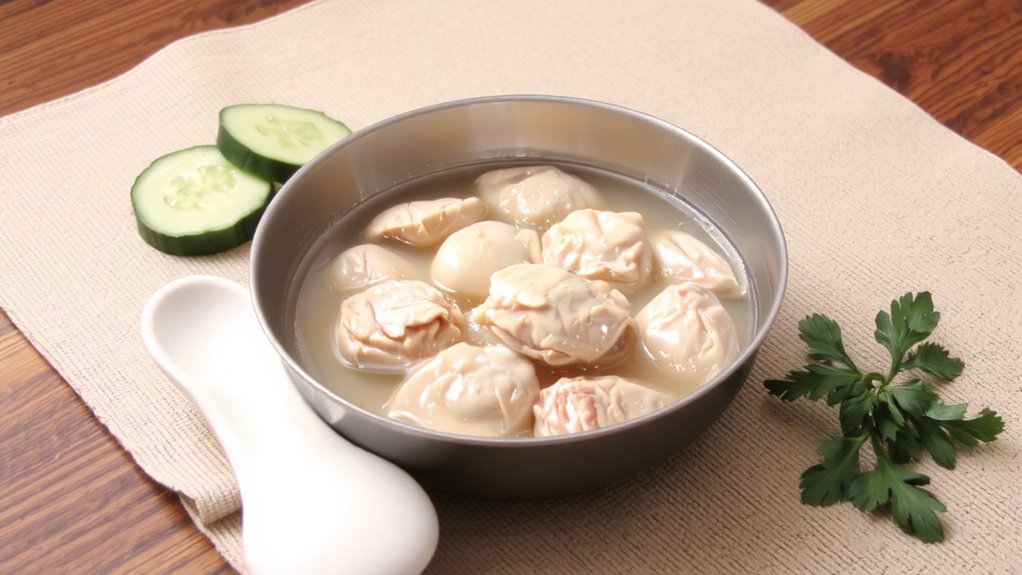
Digestive sensitivity in cats often stems from poorly absorbed or low-quality protein sources, which increases the workload on the gastrointestinal tract. You should choose wet food with highly digestible, high quality protein to support efficient nutrient absorption. High quality protein from animal based ingredients matches your cat’s natural dietary needs and reduces stool volume and odor. Look for named meats like chicken, turkey, or salmon listed as the first ingredient. These animal based ingredients offer amino acid profiles ideal for feline health.
| Protein Source | Digestibility Score | Moisture Contribution |
|---|---|---|
| Chicken | 92% | 78% |
| Turkey | 91% | 77% |
| Salmon | 90% | 80% |
| Lamb | 88% | 75% |
| Egg | 98% | 76% |
Prioritize formulas where animal based ingredients dominate the ingredient list for maximum digestibility.
Opt for Limited Ingredient Recipes
When your cat has a sensitive system, sticking to a limited ingredient recipe can make a significant difference in managing adverse reactions and simplifying digestion. Limited ingredients reduce exposure to potential allergens and eliminate unnecessary components that could trigger gastrointestinal upset. These formulas typically contain one animal protein source and minimal carbohydrates, supporting ideal nutrient absorption. Simple formulas use a minimal number of recognizable ingredients, making it easier to identify intolerances or sensitivities. They often exclude common triggers like dairy, soy, and poultry by-products. A typical limited ingredient diet contains 8–10 ingredients, with animal protein as the first ingredient and moisture levels around 75–80%. This hydration supports digestive motility. Clinical studies show cats on simple formulas experience fewer vomiting episodes and improved stool quality within two weeks. Choose these targeted recipes to maintain digestive balance and guarantee nutritional adequacy. For a curated selection, see our list of the best wet cat food.
Skip Artificial Additives and Grains
Keep your cat’s diet clean by avoiding artificial additives and grains, building on the simplicity of limited ingredient formulas. Choose grain free and additive free wet food to reduce digestive strain and lower the risk of allergic reactions. Many cats lack the enzymes to efficiently break down plant-based grains like corn or wheat, which can ferment in the gut and cause bloating. Artificial preservatives such as BHA, BHT, and ethoxyquin have been linked to long-term health issues and offer no nutritional benefit. Instead, look for foods preserved with natural alternatives like mixed tocopherols. Grain free formulas typically rely on animal-based carbohydrates like pumpkin or green peas, which are easier to digest. Additive free diets eliminate synthetic colors, flavors, and fillers-nonessential compounds that increase intestinal workload. These clean formulations support consistent stool quality and stable digestion, critical for cats with sensitive systems.
Feed High-Moisture Meals for Gut Health
Because moisture content directly influences gastrointestinal function, feeding high-moisture meals supports ideal gut health in cats. Wet food typically contains 70–80% water, greatly boosting your cat’s hydration benefits compared to dry kibble’s 10–12%. This elevated moisture level promotes smoother digestion and consistent stool quality. Proper hydration also maintains mucosal lining integrity in the intestines, creating a stable environment for the gut microbiome. A balanced gut microbiome aids in nutrient absorption and reduces inflammation. High-moisture diets help prevent mild digestive upsets by supporting best gastrointestinal motility. The increased water intake dilutes urinary solutes, indirectly benefiting overall internal health. You’ll notice fewer instances of constipation or hard stools. In clinical studies, cats on wet diets show improved fecal consistency scores-averaging 2.1 on a 5-point scale, where 2 is ideal. Prioritize foods with moisture listed above 75% on the label.
Switch Foods Slowly to Avoid Upset
Though your cat’s digestive system thrives on consistency, switching to a new wet food requires gradual integration to prevent gastrointestinal distress. A gradual replacement minimizes disruption to gut flora and supports smooth digestive adaptation. Start by mixing 25% new food with 75% current food for two days. If no vomiting or diarrhea occurs, increase to 50% new food for another 48 hours. Move to 75% new food for days five and six, then full replacement on day seven. Each phase should last at least 48 hours to monitor stool quality and appetite. This six- to seven-day protocol aligns with feline digestive turnover rates, which average 12–24 hours. Sudden changes can destabilize pH levels in the colon, leading to malabsorption. Always measure portions precisely-use a kitchen scale for accuracy. Never blend more than two protein sources at once, as this complicates digestion.
On a final note
You should choose wet food with high moisture content-ideally 75% or more-to support hydration and smooth digestion. Select formulas with a single, easily digestible protein source like hydrolyzed chicken or salmon. Avoid fillers, artificial preservatives, and grains, which can trigger sensitivities. Shift over 7–10 days by gradually increasing the new food ratio. Monitor stool consistency and energy levels closely to assess tolerance and maintain nutritional continuity.