Customizing Diets for Dogs With Food Intolerances
You can identify food intolerances by observing non-seasonal vomiting, diarrhea, or skin rashes. Start an 8-week elimination diet using a novel protein like venison and potato. Feed nothing else-no treats or flavored medications. Opt for hydrolyzed diets with proteins under 10,000 daltons if needed. Shift over 7–14 days using a stepwise ratio to avoid GI upset. Symptom resolution followed by challenge confirms diagnosis. Your next steps depend on precise dietary control and professional guidance.
Notable Insights
- Identify food intolerances through an 8-week elimination diet with a novel protein and carbohydrate source.
- Avoid common triggers like beef, dairy, chicken, and wheat when customizing a hypoallergenic diet.
- Use novel proteins such as venison, duck, or kangaroo to reduce immune system reactions.
- Transition to the new diet gradually over 7–14 days to minimize digestive upset.
- Maintain strict dietary control by eliminating treats, table scraps, and flavored medications during the trial.
Identify Food Intolerance Symptoms in Dogs
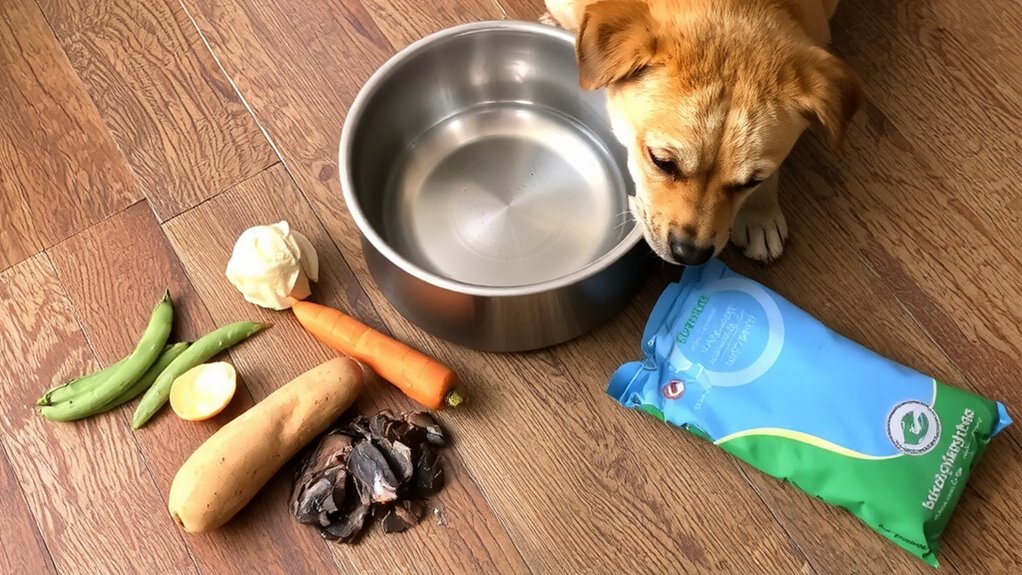
Digestive distress is often the first sign your dog may have a food intolerance. Vomiting, chronic diarrhea, or frequent flatulence can indicate an adverse reaction to certain dietary components. These symptoms typically appear within hours of ingestion and persist upon continued exposure. Concurrently, non-gastrointestinal signs like skin rashes and ear infections are common. Skin rashes often manifest as erythematous, pruritic lesions along the ventral abdomen or perineal area, caused by inflammatory immune responses to allergens. Chronic ear infections-otitis externa-are frequently linked to food sensitivities, characterized by ceruminous discharge, erythema, and malodor. Unlike acute infections, these recurrences lack primary pathogens and resist standard treatments. Symptom onset is typically non-seasonal, distinguishing food intolerance from environmental allergies. You can monitor these clinical signs over a 6–8 week elimination diet trial. A hypoallergenic diet containing hydrolyzed proteins or novel amino acid sources helps confirm diagnosis through symptom resolution. Choosing the right best dog food for sensitive stomachs can significantly improve digestive health and reduce symptom flare-ups.
Cut Common Food Intolerance Triggers First
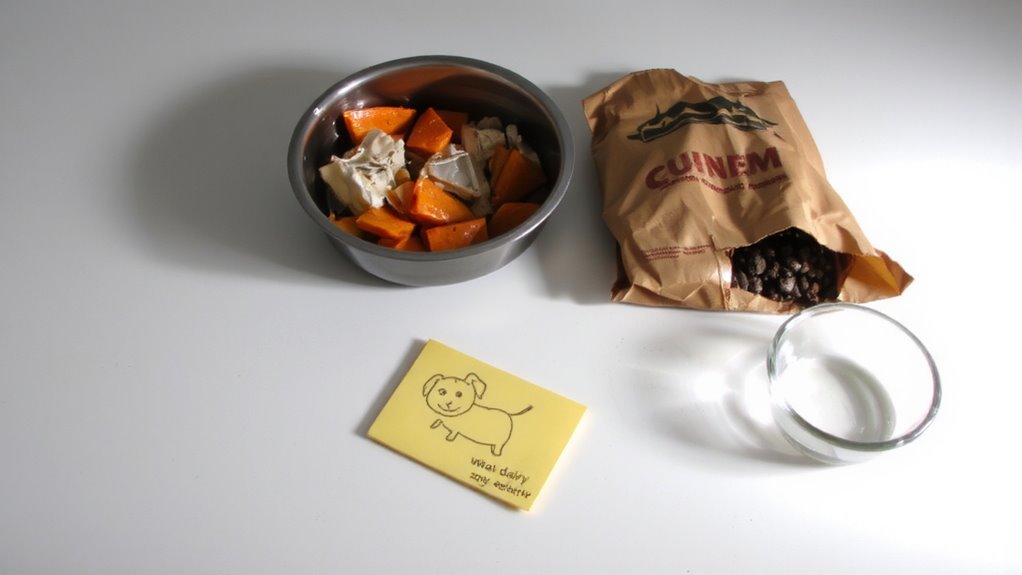
While you might not know it yet, most food intolerances in dogs stem from repeated exposure to common dietary proteins. You should start by eliminating the most frequent triggers: beef, dairy, chicken, and wheat. These ingredients are linked to both protein reactions and grain sensitivity. Protein reactions occur when the immune system overresponds to peptides in common meats, leading to gastrointestinal or dermatological symptoms. Grain sensitivity, while less common than protein issues, often involves poor digestion of corn, wheat, or soy, resulting in bloating or loose stools. Remove these ingredients systematically. Choose novel protein sources like venison, duck, or kangaroo, paired with carbohydrate bases such as sweet potato or pea. Use hydrolyzed protein diets if necessary-these break proteins into fragments too small to trigger immune responses. Shift over 7–10 days. Monitor stool quality and skin condition. This precision approach reduces variables, helping identify true culprits before advancing to further diagnostic steps. For persistent cases, consider switching to one of the best dog food for allergies options formulated specifically for immune-sensitive canines.
Run an Elimination Diet the Right Way
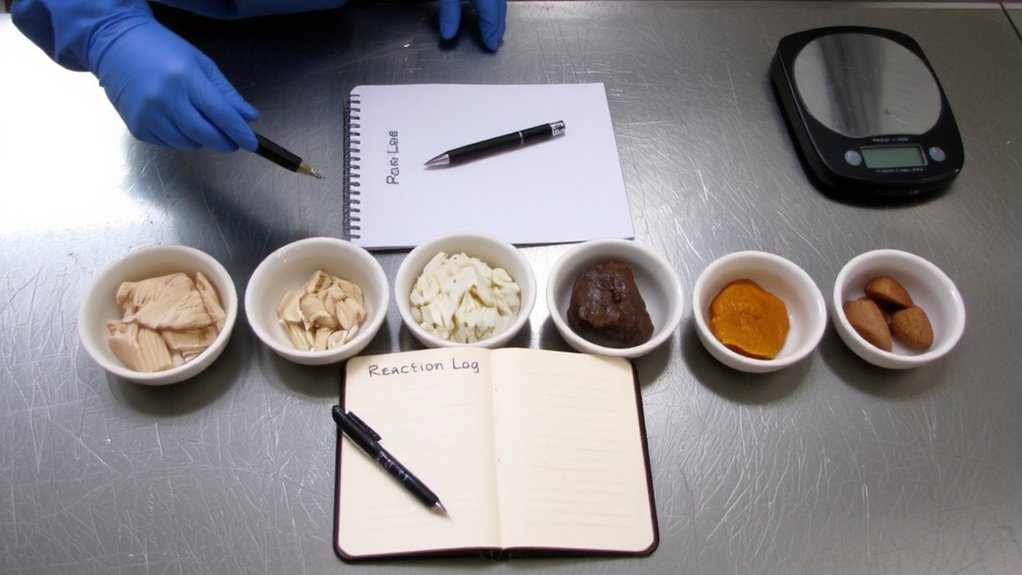
How do you know which ingredient is causing your dog’s symptoms? Start an elimination diet to identify the specific trigger. Choose a novel protein and carbohydrate your dog has never eaten, like venison and potato. Feed only this diet for the full trial duration-typically 8 to 12 weeks-with no deviations. Keep a detailed food diary, logging meals, treats, and symptoms daily. Avoid all extras: flavored medications, bones, and table scraps. If symptoms improve, challenge by reintroducing the original diet; a relapse confirms intolerance. Use strict controls, just as in clinical trials. Consistency guarantees accuracy. The food diary provides objective data, helping track subtle changes. Trial duration is non-negotiable; shorter periods yield inconclusive results. This method isolates triggers through systematic exclusion, offering definitive answers. Follow protocols precisely. Success depends on adherence and precision, not guesswork.
Use Proven Hypoallergenic Ingredients
When identifying safe foods for your dog during and after an elimination trial, choosing ingredients with a proven low allergenic potential is essential. Novel proteins, like duck, venison, or kangaroo, work because your dog hasn’t been exposed to them before. This reduces the chance of an immune reaction. These proteins must be the sole source of animal protein in the diet. Hydrolyzed formulas break proteins into fragments smaller than 10,000 daltons, making them unrecognizable to the immune system. Most veterinary-recommended hydrolyzed diets use soy, chicken, or casein as base proteins, then enzymatically break them down. These formulas are clinically proven to reduce allergic symptoms in 70–90% of dogs within eight weeks. Always verify the product’s label to confirm it’s truly hydrolyzed and free of common allergens. Use only one novel protein or hydrolyzed formula at a time. For trusted options, consider top hypoallergenic dog food picks recommended by veterinary nutritionists.
Switch Foods Safely Without Digestive Issues
Since introducing a new diet can disrupt your dog’s gastrointestinal balance, changing gradually is critical to avoid vomiting, diarrhea, or bloating. A gradual shift minimizes stress on the digestive system. Start by mixing 25% new food with 75% current food for two days. Increase the new food incrementally-50% for days three to four, then 75% for days five to six-reaching 100% by day seven. This 7-day protocol allows gut microbiota to adapt. Use strict portion control to prevent overfeeding, which can exacerbate sensitivities. Measure meals using a kitchen scale or measuring cup, adhering to your dog’s resting energy requirement (RER = 70 × body weight in kg^0.75). Avoid free-feeding. Monitor stool consistency daily; soft stool indicates the change is too rapid. Adjust the shift timeline to 10–14 days if digestive upset occurs.
Consult a Vet or Nutritionist at the Right Time
Why leave your dog’s dietary needs to guesswork when precision can make all the difference? Consulting a vet or nutritionist guarantees accurate diagnosis and effective management of food intolerances. You can’t rely on observation alone-symptom tracking over 8–12 weeks provides critical data on patterns like itching, diarrhea, or ear infections. A professional guides you through elimination diets using novel protein sources, such as venison or duck, or hydrolyzed formulas with peptides under 10 kDa. Food testing, including serum IgG panels or ELISA assays, helps identify reactive ingredients, though results require clinical correlation. Only a vet can differentiate intolerances from allergies or metabolic diseases. They’ll calculate nutrient profiles, guaranteeing balanced intake during dietary trials. Early expert involvement reduces trial duration, prevents nutritional gaps, and improves long-term outcomes. Don’t guess-use structured protocols backed by veterinary science.
On a final note
You now control your dog’s dietary response to food intolerances. Start with symptom tracking: chronic ear infections, gas, or loose stools signal issues. Eliminate common triggers like beef, dairy, and wheat. Use hydrolyzed protein or novel ingredient diets for 8–12 weeks. Switch foods over 7 days, mixing old and new in 25% increments. Opt for brands with AAFCO-validated formulations. When symptoms persist, consult a vet-diagnostics like serum IgE tests may be needed.