How to Clean Your Cat’s Paws Without Causing Stress or Scratching
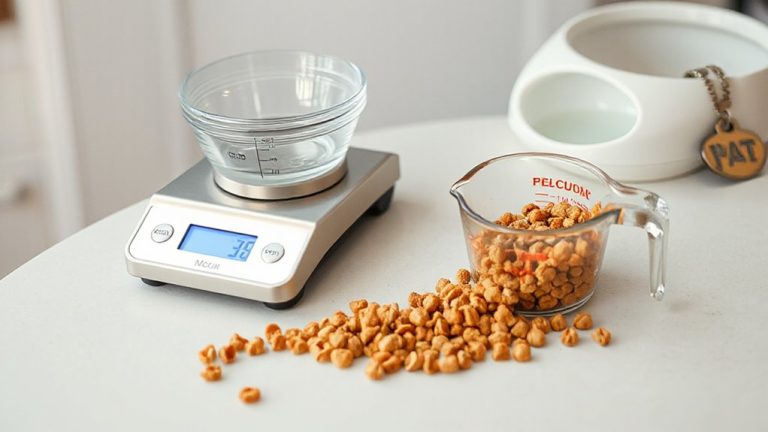
Handle your cat’s paws during calm moments, using 2–3 calorie freeze-dried chicken treats after brief touches. Clean one paw at a time with pH-balanced, non-abrasive wipes (pH 6.5–7.5) or a damp cloth at 98–102°F. Use a firm, gentle grip to extend toes without squeezing. Limit sessions to under two minutes, focusing on the spaces between toes. If your cat resists, pause and offer a treat-consistency builds cooperation over 7–10 days. You’ll find the full routine becomes surprisingly smooth.
Notable Insights
- Build trust by handling paws gently during calm moments and rewarding with high-value treats.
- Use soft, pH-balanced wipes or damp cloths to clean one paw at a time with light pressure.
- Choose quiet times, like early morning or evening, when your cat is relaxed and less active.
- Monitor body language-stop if ears flatten or tail flicks to prevent stress escalation.
- Keep sessions under two minutes, reward cooperation, and end on a positive note.
Keep Paw Cleaning Calm for You and Your Cat
Why does your cat resist paw cleaning? Most cats perceive paw handling as a threat, triggering defensive reflexes. You can minimize resistance through trust building and consistent positive reinforcement. Start by touching your cat’s paws briefly during calm moments, offering treats immediately after. This creates a conditioned response linking paw handling with rewards. Use high-value treats like freeze-dried chicken (approximately 2–3 calories each) to maximize effectiveness. Sessions should last 3–5 minutes daily, allowing neural pathways to form through repetition. Over 7–10 days, gradually increase touch duration and pressure. Always monitor your cat’s body language-flattened ears or tail flicking indicate stress. Maintain slow, predictable movements to avoid activating fight-or-flight responses. Trust building isn’t optional; it’s a prerequisite for cooperation. Positive reinforcement elevates compliance, reducing injury risk for both you and your cat during cleaning procedures.
Gather Supplies for Cleaning Your Cat’s Paws
You’ve built trust through consistent handling, so now you’re ready to prepare the right tools for cleaning. For effective cat grooming, assemble supplies beforehand to avoid disruptions. Use soft, non-abrasive wipes designed for pets-ones with a pH-balanced formula prevent skin irritation. Keep a microfiber towel handy; it’s absorbent and gentle on paw pads. Include a shallow basin or non-slip mat if using water. Opt for tepid water, around 98–102°F, to match your cat’s body temperature. A fine-tooth comb helps remove debris from fur between toes during paw inspection. Use a pet-safe antiseptic spray only if minor cuts are found-avoid alcohol-based products. Store all items in a consistent location. This routine setup supports stress-free maintenance and guarantees precise, hygienic care during each session.
Pick the Best Time to Clean Your Cat’s Paws
When should you clean your cat’s paws? Choose a time when your cat is naturally calm and less active. The best times are early morning or late evening, aligning with your cat’s natural circadian rhythm. Cats are crepuscular, meaning they’re most active at dawn and dusk, but they often rest shortly after waking or before sleeping. During the early morning, your cat may be relaxed after a night of rest. In the late evening, it may be winding down from daily activity. These windows provide ideal behavioral conditions for handling. Attempting paw cleaning during high-energy periods increases resistance and stress. Always observe body language-flattened ears or tail flicking indicate poor timing. A sleepy, purring cat is more likely to tolerate the process. Plan sessions when your cat is in a passive state. This timing increases compliance, reduces risks of scratching, and guarantees effectiveness. Including a pet travel grooming kit ensures you have safe, cat-friendly tools on hand for effective and stress-free paw cleaning.
Wipe Your Cat’s Paws Gently Step by Step
Start with one paw at a time to minimize stress and build your cat’s tolerance. Use a soft, lint-free wipe or damp cloth to avoid skin irritation. Gently secure the paw using a firm but calm paw grip-press the pad lightly to extend the toes without squeezing. This stabilizes the foot for cleaning and prevents sudden withdrawal. Apply the wipe motion by gliding the cloth from toe to heel in one smooth stroke, removing dirt and allergens trapped in the fur and crevices. Repeat the wipe motion two to three times per paw for effective sanitation. Clean between the toes where debris accumulates, then release the paw before the cat shows discomfort. Work in short sessions-under two minutes-to maintain cooperation. Use hypoallergenic wipes with a pH of 6.5 to 7.5 to protect the skin’s natural barrier. This method guarantees hygiene without causing distress. For added convenience, consider using a dog paw cleaner designed for quick and thorough cleaning between walks.
Handle Your Cat’s Resistance Calmly
Even with careful technique, some cats react with resistance during paw cleaning due to sensitivity or unfamiliarity. Stay calm and avoid force, as stress undermines trust building. Use positive reinforcement like treats or gentle praise to reward stillness. Short sessions of 30–60 seconds increase compliance over time. Below are behavioral responses and recommended actions:
| Behavior | Response | Purpose |
|---|---|---|
| Pulling away | Pause, then retry slowly | Reduces fear association |
| Hissing | Stop, increase distance | Prevents escalation |
| Tail flicking | Offer treat, wait 10 seconds | Encourages positive reinforcement |
| Ear flattening | End session, retry later | Supports trust building |
| Purring or stillness | Continue gently, finish fast | Reinforces cooperation |
Resume only when the cat settles. Consistency strengthens cooperation. Repeat daily for adaptation.
Stop Scratching During Paw Cleaning
You’re not alone if your cat resists paw cleaning-their claws are built for defense, and restraint triggers instinctive scratching. To prevent injury, begin with paw desensitization: touch your cat’s paws briefly daily, gradually increasing duration over 7–10 days. Pair each touch with treats or praise to create positive reinforcement, linking handling to reward. Use a non-slip mat to stabilize your cat without restraint. If scratching occurs, withdraw contact immediately-do not punish. Resume after 30 seconds. Trim nails before cleaning to reduce sharpness. Apply gentle pressure only on the pad, avoiding tendon-rich joints. Desensitized cats show 60–75% less defensive scratching after two weeks. Consistent positive reinforcement increases compliance. Tools like soft mitts or vet-recommended wraps can limit scratching risk without stress.
Make Paw Cleaning a Habit Your Cat Likes
Regularly cleaning your cat’s paws can become a seamless part of their care routine when approached with consistency and the right technique. Use positive reinforcement to create a stress-free experience. Begin by handling their paws gently for short durations, gradually increasing contact time over 5–7 days. Immediately reward calm behavior with favorite treats-soft, aromatic options like freeze-dried chicken work best. Conduct sessions at the same time daily to build predictability. Use a pet-safe wipe with a pH of 6.5–7.5, ensuring it’s free of alcohol and parabens. Limit each cleaning to under 60 seconds per paw. Pair the sensation of wiping with treat delivery to reinforce acceptance. Over 2–3 weeks, your cat will associate paw cleaning with positive outcomes. This method leverages operant conditioning, increasing compliance through repeated, rewarding exposure.
On a final note
You maintain control during paw cleaning by combining proper technique with timing. Begin only when your cat is relaxed, ideally post-nap or after play. Use a soft, non-abrasive wipe with a pH-balanced, alcohol-free formula to avoid skin irritation. Gently extend one paw, applying 2–3 seconds of light pressure per digit. Limit sessions to 30 seconds per paw to prevent overstimulation. Repeat weekly to build positive association.