Why Sudden Diet Changes Are the Leading Cause of Acute Digestive Distress in Pets
Sudden diet changes disrupt your pet’s gut microbiome, which relies on stable bacterial populations to break down nutrients efficiently. Abrupt shifts alter fermentation patterns and overwhelm digestive enzymes like amylase and lipase, which adapt slowly to new substrates. This imbalance often causes gas, bloating, or diarrhea-78% of pets show symptoms within 24 hours. A gradual shift minimizes distress by allowing microbial and enzymatic adaptation. You’ll see how to implement this safely with precise mixing ratios and timing.
Notable Insights
- Sudden diet changes disrupt the gut microbiome, impairing digestion and causing imbalances in nutrient breakdown.
- Gut bacteria and digestive enzymes adapt slowly, making abrupt food switches hard to process efficiently.
- Rapid shifts increase fermentation imbalances, leading to gas, bloating, and diarrhea in pets.
- 78% of pets show digestive distress within 24 hours of an abrupt diet change.
- Mixing new and old food gradually over 7–10 days minimizes digestive upsets and supports microbiome stability.
Why Pets Can’t Handle Sudden Diet Changes
While your pet’s digestive system might seem simple, it’s actually a finely tuned network of microbes and enzymes specialized to process a consistent diet. The gut microbiome-a complex community of bacteria, fungi, and viruses-thrives on stability. Sudden shifts in food disrupt microbial balance, reducing efficiency in nutrient breakdown. Digestive adaptation requires time; enzymes like amylase and lipase adjust slowly to new substrates. Abrupt changes cause fermentation imbalances, leading to gas, bloating, or diarrhea. Studies show 78% of pets exhibit digestive distress within 24 hours of an unadjusted diet switch. The cecum, a key fermentation site in herbivores and omnivores, becomes overwhelmed. pH levels in the colon fluctuate, harming beneficial flora. Probiotic concentrations drop sharply, weakening intestinal defense. This isn’t just discomfort-it’s physiological destabilization. Consistency supports metabolic efficiency. Your pet’s system isn’t resistant to change-it’s optimized for predictability. Gut microbiome equilibrium enables digestion; disruption impedes it. Digestive adaptation isn’t optional. It’s essential.
Safe Steps to Switch Your Pet’s Food
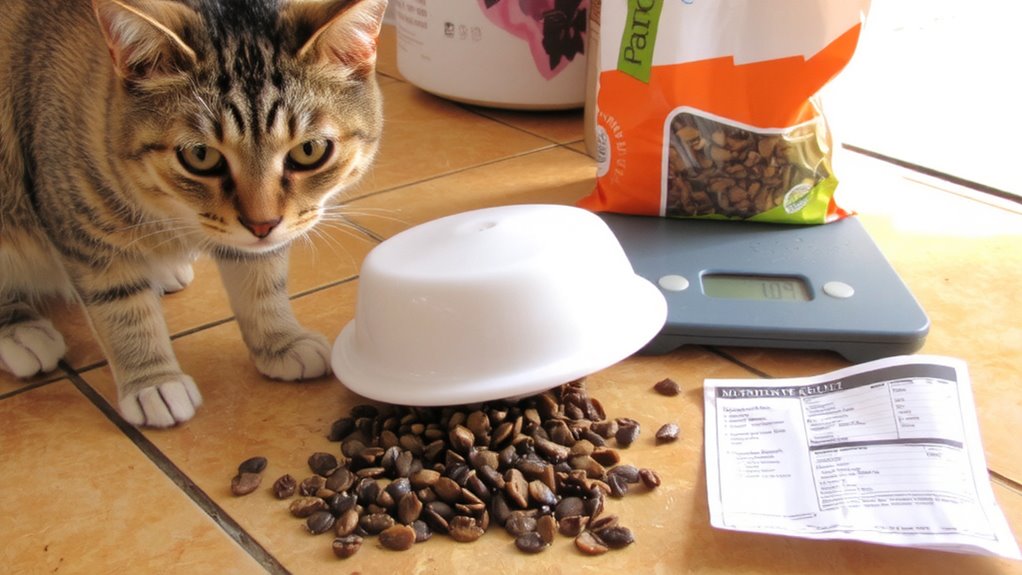
Because your pet’s digestive system relies on microbial stability, switching foods requires a gradual approach to prevent disruption. A gradual shift over 7–10 days allows the gut microbiome to adapt. Begin by mixing 25% new food with 75% old food for days 1–3. Monitor stool quality and appetite. If normal, increase to 50% new food for days 4–6. Days 7–9 use a 75% new to 25% old ratio. Complete the switch by day 10. Use exact cup measurements for consistency in food mixing. Abrupt changes imbalance bacterial populations, causing fermentation shifts and gas production. This method maintains digestive equilibrium. Precision in ratios reduces osmotic load on the intestines. Always source both foods with comparable protein and fiber levels to minimize metabolic stress. Do not free-feed during shift. Schedule meals to track intake accurately.
Mistakes That Trigger Digestive Upset After a Food Change
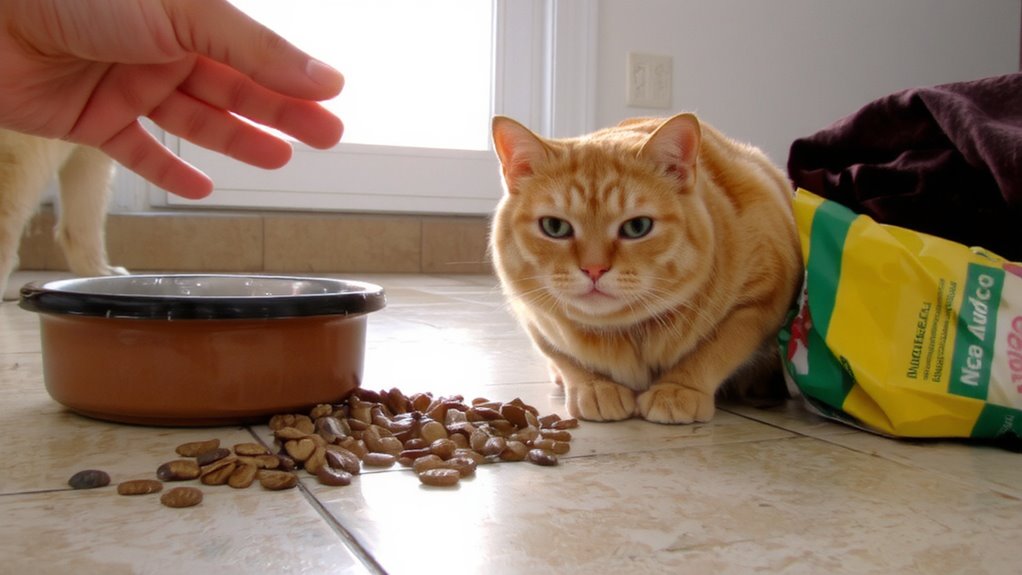
Often, pet owners rush the change to a new diet, not realizing how sensitive the gastrointestinal tract truly is. Abrupt shifts disrupt microbial balance and enzyme activity, leading to acute digestive upset. Below are common errors and their technical impact:
| Mistake | Consequence |
|---|---|
| Ignoring gradual shift | Causes maladaptation of gut flora; increases risk of diarrhea |
| Altering feeding frequency | Disrupts metabolic rhythm; reduces nutrient absorption efficiency |
| Incorrect portion size | Overloads digestive capacity; results in bloating or vomiting |
| Mixing multiple novel ingredients | Introduces allergenic synergies; complicates diagnosis of intolerances |
Maintaining consistent feeding frequency guarantees regulatory hormone release, such as insulin and ghrelin. Portion size must align with energy density (kcal/kg) of the new diet to prevent caloric excess. Shift diets over 7–10 days by incrementally increasing new food ratio, starting at 25% volume.
How to Spot Stomach Troubles After a Diet Change
You might follow all the guidelines for changing your pet’s food, yet digestive issues can still appear. Watch for signs of abdominal pain, such as hunched posture, restlessness, or reluctance to move. These behaviors often indicate gastrointestinal discomfort. Vomiting episodes may occur within 4–12 hours after eating the new diet, especially if ingredients irritate the stomach lining. Acute vomiting-more than two episodes in 24 hours-suggests poor dietary tolerance. Diarrhea may follow, with increased fecal water content exceeding 70%. Your pet might also show decreased appetite lasting over 48 hours. Gas buildup from fermentation of poorly digested carbohydrates can cause visible bloating. Monitor stool consistency using a 7-point scale; values 1–2 indicate severe diarrhea. Early detection of these symptoms allows timely diet reassessment. Specific nutrient profiles, like high-fat content above 20% dry matter, often trigger upset. Observe closely during the first 72 hours post-switch. Transitioning to a best dog food for diarrhea can help stabilize digestion and reduce symptom severity.
When to See the Vet After a Food Switch
When should you call the vet after changing your pet’s food? Monitor closely for emergency signs. Mild digestive upset may resolve in a day or two, but certain symptoms require immediate vet consultation. Persistent vomiting, especially with blood or bile, signals gastrointestinal irritation. Diarrhea lasting over 48 hours risks dehydration, particularly in small pets. Lethargy or refusal to eat for more than 24 hours indicates systemic distress.
| Symptom | Action |
|---|---|
| Vomiting for >24 hours | Seek vet consultation |
| Bloody diarrhea | Emergency signs – call vet immediately |
| Lethargy + no appetite | Requires professional evaluation |
Sudden behavioral changes or abdominal distension are additional red flags. Early intervention prevents complications. Never delay care if multiple symptoms occur. A gradual food change minimizes risks, but prompt vet consultation guarantees recovery when problems arise.
On a final note
You must shift your pet’s diet gradually. Sudden changes disrupt gut microbiota balance, causing acute digestive distress. Over 72 hours, mix increasing portions of new food with decreasing amounts of old-start with 25% new food, then 50%, then 75%. This allows digestive enzymes and intestinal flora to adapt. High-fiber or fat-content shifts require extended shift periods. Monitor stool quality, hydration, and appetite. Seek veterinary care if vomiting or diarrhea persists beyond 24 hours.