Why Your Dog’s Sensitive Stomach May Be Linked to Low Gut Microbiome Diversity
Your dog’s sensitive stomach may stem from low gut microbiome diversity, where imbalances in key bacterial phyla like Firmicutes and Bacteroidetes impair digestion and immunity. Reduced microbial variety weakens nutrient absorption, increases gas production, and disrupts bowel regularity. Dysbiosis promotes mucus in stools, bloating, and erratic diarrhea or constipation due to poor fermentation and motility. Probiotics with 1–10 billion CFUs daily and prebiotic fibers like FOS help restore balance. You’ll discover how targeted dietary changes can markedly improve gut resilience and function.
Notable Insights
- Low gut microbiome diversity in dogs can lead to digestive issues like diarrhea, constipation, and gas due to imbalanced bacterial populations.
- Dysbiosis reduces the gut’s ability to break down food and absorb nutrients, increasing the risk of food sensitivities and stomach upset.
- Beneficial bacteria help maintain intestinal barrier function; their absence in low-diversity microbiomes may cause mucosal inflammation and leaky gut.
- Fermented foods, prebiotics, and probiotics support microbial balance, improving digestion and reducing symptoms of a sensitive stomach.
- Chronic gastrointestinal signs often reflect underlying microbiome disruption, making diversity assessment crucial for accurate diagnosis and treatment.
What Is Your Dog’s Gut Microbiome?
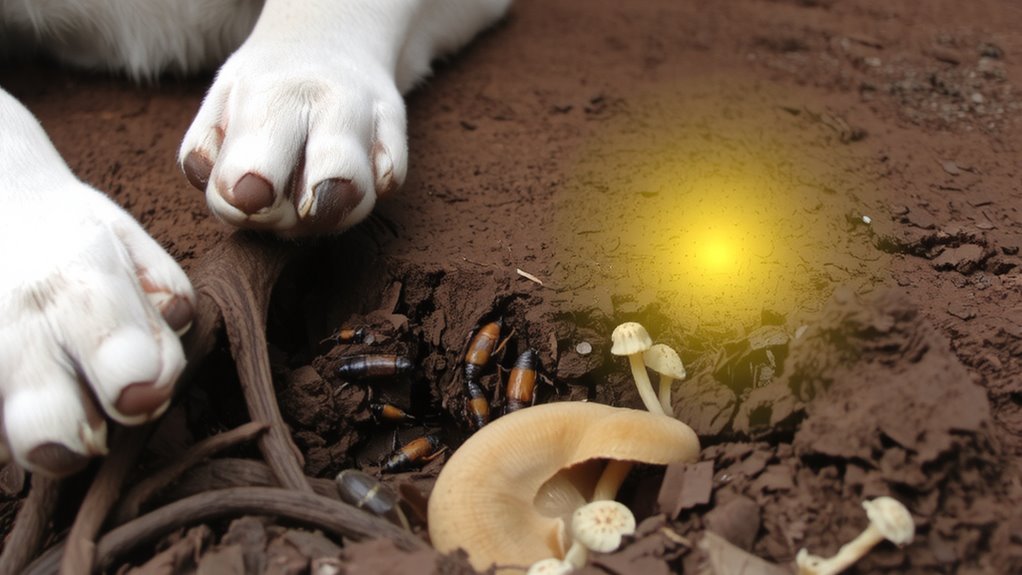
What exactly lives inside your dog’s digestive tract? Trillions of bacteria, fungi, and viruses form a complex ecosystem known as the gut microbiome. This community plays a critical role in digestion, immunity, and even behavior via the gut brain axis-a bidirectional communication network linking intestinal function to the central nervous system. A balanced microbiome supports efficient nutrient absorption and pathogen resistance. However, diet changes, antibiotics, or stress can trigger microbial imbalance-also called dysbiosis-disrupting this stability. Dysbiosis weakens metabolic function and may alter signaling along the gut brain axis, potentially affecting mood and cognitive responses. Each dog hosts hundreds of microbial species, dominated by Firmicutes and Bacteroidetes phyla. Their relative proportions matter: shifts correlate with gastrointestinal disease risk. Maintaining diversity helps guarantee resilience against internal and environmental disruptions. Supplementing with best probiotics for yeast infections can help restore microbial balance in dogs prone to dysbiosis-related conditions.
Signs of Poor Gut Bacteria Diversity in Dogs

A shaky gut balance often shows up in ways you can’t ignore. You may notice food sensitivities emerging suddenly, even to diets your dog previously tolerated. These reactions stem from impaired microbial regulation of immune responses in the gastrointestinal tract. Irregular bowel movements-ranging from diarrhea to constipation-frequently accompany low bacterial diversity. Such inconsistencies reflect unstable fermentation of dietary fibers by gut microbes, disrupting colonic water absorption and motility. Your dog might also pass mucus-coated stools, indicating mucosal irritation due to poor microbiota support. Chronic gas production suggests dysbiotic fermentation, often involving opportunistic bacteria. While not all imbalances cause weight loss, reduced nutrient extraction efficiency is common. These signs collectively signal diminished microbial resilience, limiting the gut’s ability to maintain homeostasis. Monitoring stool frequency, consistency, and diet response provides quantifiable insights into microbiome health.
How Low Microbiome Diversity Affects Digestion

Digestive efficiency begins in the gut, and when microbial diversity drops, so does your dog’s ability to break down food effectively. Reduced bacterial variety disrupts digestive balance, leading to enzyme imbalance and incomplete nutrient breakdown. Poor microbial representation diminishes metabolic coordination, increasing the risk of food intolerance due to poorly processed proteins and fibers.
| Symptom | Cause | Impact on Digestion |
|---|---|---|
| Bloating | Gas-producing bacteria overgrowth | Reduced motility, discomfort |
| Diarrhea | Poor water absorption | Electrolyte imbalance |
| Constipation | Slow fermentation | Hard stools, infrequent elimination |
| Gas | Fermentation of undigested carbs | Discomfort, odor |
| Vomiting | Delayed gastric emptying | Nutrient malabsorption |
Enzyme imbalance prevents efficient food breakdown, while food intolerance arises as undigested particles trigger immune responses. Consistent low diversity compromises intestinal integrity and metabolic functionality. Supplementing with probiotics for dogs with IBD can help restore microbial balance and support long-term digestive health.
Can Probiotics and Prebiotics Help Your Dog?
Maintaining a balanced gut environment is possible through targeted microbial support, and probiotics paired with prebiotics offer a science-backed approach to restoring digestive function. Probiotics introduce beneficial bacteria like *Lactobacillus acidophilus* and *Bifidobacterium longum*, which compete with harmful microbes and help reduce gut inflammation. These strains have been shown in clinical studies to improve stool quality within 7–10 days at doses of 1–10 billion CFUs daily. Prebiotics such as fructooligosaccharides (FOS) feed these good bacteria, enhancing colonization and metabolic activity. Together, they support mucosal integrity and may correct enzyme deficiency by promoting microbial production of digestive enzymes. This synergy improves nutrient breakdown and absorption. Veterinary-guided use guarantees appropriate strain selection and dosage. While results vary, consistent supplementation can markedly improve gastrointestinal resilience in dogs with low microbiome diversity. Some digestive enzymes for pets can further enhance nutrient absorption when used alongside microbial support.
Best Foods to Boost Your Dog’s Gut Diversity
The right diet can greatly influence your dog’s gut microbiome, and incorporating diverse, fiber-rich ingredients is key to fostering microbial variety. Fermented foods like plain unsweetened kefir and raw sauerkraut introduce beneficial live microbes that support gut balance. Start with 1 teaspoon per 20 lbs of body weight to avoid digestive upset. Ideal fiber sources include pumpkin, sweet potato, and psyllium husk, which provide both soluble and insoluble fiber. Soluble fiber fuels beneficial bacteria like *Bifidobacterium*, while insoluble fiber promotes motility. Aim for 2–4% dietary fiber in total dry matter. Green-lipped mussels and chia seeds add omega-3s and mucilage, further enhancing microbial diversity. These ingredients work synergistically to modulate immune function and strengthen gut barrier integrity. Consistent inclusion improves fermentation byproducts like short-chain fatty acids, especially butyrate, which nourishes colonocytes.
Simple Diet Swaps for a Healthier Dog Gut
You can improve your dog’s gut health with straightforward food substitutions that enhance microbial balance and digestive function. Replace processed kibble with fresh, whole ingredients to increase dietary fiber and nutrient bioavailability. Introduce fermented treats containing live probiotics such as Lactobacillus rhamnosus; administer 1 treat daily, each delivering 1–5 billion CFUs to support gut flora. Fermented treats reduce intestinal pH, inhibiting pathogenic bacteria. Swap plain water with homemade broths made from boiled chicken, turkey, or beef bones, simmered for 12–24 hours. Homemade broths provide gelatin and amino acids like glutamine, which fortify the intestinal lining. Use 1/4 to 1/2 cup per meal to improve hydration and nutrient absorption. These modifications increase microbial diversity, decrease gut inflammation, and promote consistent stool quality. Always shift foods gradually over 7–10 days to avoid digestive upset.
When to See a Vet for Chronic Digestive Issues
How long should you wait before seeking help if your dog’s digestive problems persist? Don’t delay vet visits beyond two weeks of ongoing symptoms like diarrhea, vomiting, or weight loss. Chronic issues may signal underlying conditions requiring timely intervention. Digestive testing, including fecal exams, blood panels, and abdominal ultrasounds, helps identify pathogens, inflammation, or organ dysfunction. Your vet might also recommend endoscopy for direct visualization of the gastrointestinal tract. Early testing improves diagnostic accuracy and treatment outcomes. Persistent symptoms despite diet changes suggest microbial imbalance or disease needing professional care. Delaying evaluation risks worsening health. Regular vet visits establish baseline health metrics. Digestive testing isn’t just for emergencies-it’s preventive. Address chronic digestive concerns promptly. Accurate diagnosis relies on clinical data from proper testing. Timely action supports gut microbiome recovery. Protect your dog’s long-term wellness with informed, consistent care.
On a final note
Your dog’s gut health depends on microbial diversity. Low bacterial variation impairs nutrient breakdown and weakens intestinal lining integrity. This imbalance often triggers chronic diarrhea, gas, or vomiting. Probiotics with ≥10 billion CFUs and prebiotic fibers like FOS support microbiome recovery. Feed species-appropriate, high-moisture diets rich in fermentable fibers. Switch to novel proteins and complex carbs like turkey and sweet potato. Persistent symptoms require veterinary diagnosis via fecal PCR or elimination trials. Microbiome restoration improves digestion and immune function long-term.