How to Soothe Hot Spots in Dogs Using Anti-Inflammatory Shampoos and Rinses
Use a vet-approved anti-inflammatory shampoo with 2%–4% chlorhexidine or phytosphingosine to treat hot spots effectively. Bathe your dog in lukewarm water (85°F–92°F) once every 5–7 days, lathering the affected area for 5–10 minutes. Rinse thoroughly to prevent residue irritation. Follow with a leave-on rinse containing colloidal oatmeal (1–3%) and omega-6 fatty acids to soothe and strengthen the skin barrier. Consistent use reduces microbial load and supports healing-results improve with proper technique and product selection.
Notable Insights
- Use anti-inflammatory shampoos with 2%–4% chlorhexidine or phytosphingosine to reduce infection and soothe irritated skin.
- Lather the affected area for 5–10 minutes to allow active ingredients to penetrate and take effect.
- Rinse thoroughly with lukewarm water (85°F–92°F) to prevent residue buildup that can further irritate the skin.
- Follow with a leave-on rinse containing colloidal oatmeal (1–3%) to relieve itching and support skin barrier repair.
- Bathe no more than once every 5–7 days unless directed by a vet to avoid drying out the skin.
Stop the Itch: Treating Hot Spots in Dogs at Home
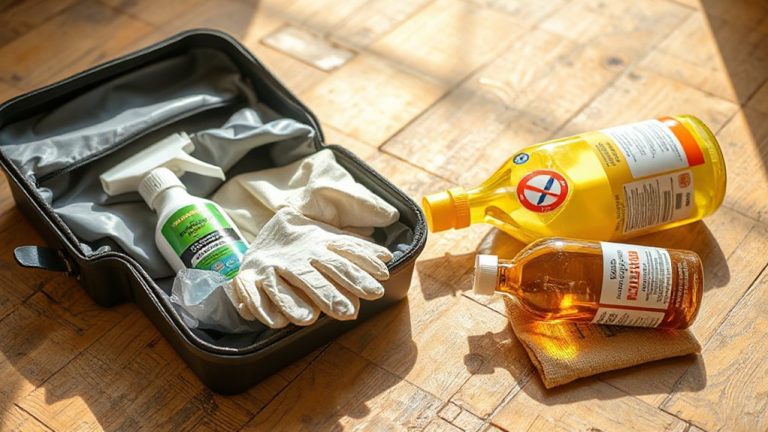
While hot spots can spread quickly if left untreated, immediate at-home intervention can prevent worsening and support faster healing. Start by gently clipping the hair around the affected area to allow air circulation and reduce bacterial trapping. Clean the site with a mild antiseptic solution, such as diluted chlorhexidine (0.05%), to disinfect without irritating healthy tissue. Apply aloe vera gel, which contains anti-inflammatory compounds like acemannan, to soothe irritation and promote cellular repair. Aloe vera’s cooling effect reduces discomfort within minutes of contact. Follow with a thin layer of virgin coconut oil, containing lauric acid with proven antimicrobial properties. Coconut oil creates a moisture-retaining barrier that prevents secondary infection. Use both substances two to three times daily. Do not bandage unless directed-air exposure accelerates drying. Monitor for increased redness or swelling, which indicates the need for veterinary evaluation. For persistent cases, consider using a vet-recommended dog shampoo for hot spots to maintain skin health and prevent recurrence.
What Triggers Hot Spots in Dogs?
Hot spots in dogs stem from a combination of environmental, physiological, and behavioral factors that compromise skin integrity. Allergies trigger inflammation, making skin prone to infections. Moisture trapped in fur creates a breeding ground for bacteria. Unattended wounds worsen quickly due to constant licking. Treating underlying causes like flea infestations with effective flea medicine for dogs can prevent flare-ups.
| Trigger | Cause | Prevention |
|---|---|---|
| Allergies | Pollen, food, fleas | Regular screening and elimination diets |
| Infections | Bacterial overgrowth (e.g., *Staphylococcus intermedius*) | Prompt cleaning and drying |
| Moisture | Wet fur after swimming or bathing | Thorough drying post-exposure |
| Behavioral | Excessive licking or chewing | Identify and address underlying stress or pain |
You must monitor your dog closely. Early signs include redness, oozing, and hair loss. Infections accelerate tissue damage. Allergies require veterinary diagnosis. Immediate intervention limits progression.
Best Ingredients to Soothe Dog Hot Spots
A calm approach to healing starts with the right compounds. Coconut oil contains lauric acid, which has antimicrobial and anti-inflammatory properties. It helps reduce bacterial overgrowth and soothes irritated skin. Apply it topically in refined or fractionated form to avoid pore clogging. Oatmeal extract, specifically colloidal oatmeal at a concentration of 1–3%, supports skin barrier function. It contains beta-glucans that hydrate and avenanthramides that inhibit itch signaling. Use products where oatmeal extract is listed in the first five ingredients for maximum efficacy. These ingredients work synergistically-coconut oil penetrates lipid layers while oatmeal extract forms a protective film. Together, they reduce redness, swelling, and discomfort. Choose fragrance-free, vet-approved shampoos and rinses with these components. Their pH should match canine skin, ideally between 5.5 and 7. Avoid alcohol-based additives that can dry or irritate further. For optimal results, consider using best dog shampoos formulated specifically for sensitive skin.
How to Bathe a Dog With Hot Spots Safely
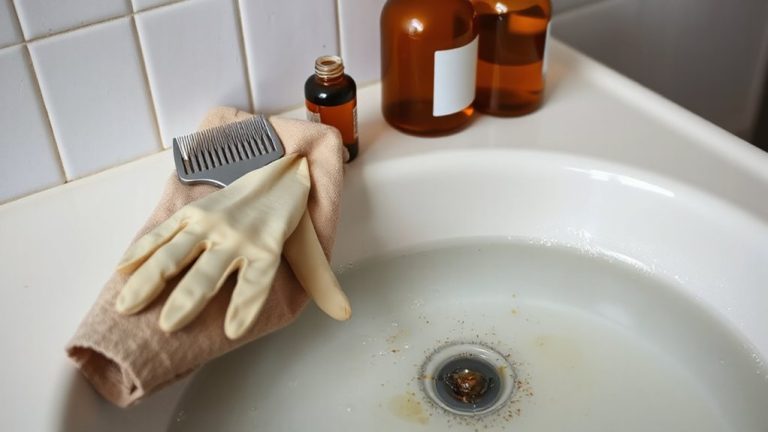
Since improper bathing can worsen skin irritation, it’s essential to follow a careful, science-based approach when cleaning a dog with hot spots. Use lukewarm water; ideal water temperature ranges from 85°F to 92°F (29°C–33°C), minimizing thermal stress on inflamed tissue. Avoid hot water, which can increase blood flow and worsen inflammation. Bathe your dog no more than once every 5–7 days unless directed otherwise by a veterinarian. Over-bathing strips natural oils, impairing skin barrier function and delaying healing. Apply a veterinary-formulated, anti-inflammatory shampoo containing chlorhexidine (2%–4%) or phytosphingosine, gently lathering the affected area for 5–10 minutes to guarantee active ingredient contact time. Rinse thoroughly to prevent residue buildup, which can cause further irritation. Use soft, non-abrasive washcloths around sensitive lesions. Monitor for increased redness or discomfort post-bath, adjusting bathing frequency accordingly.
Rinse-Only Remedies for Painful Hot Spots
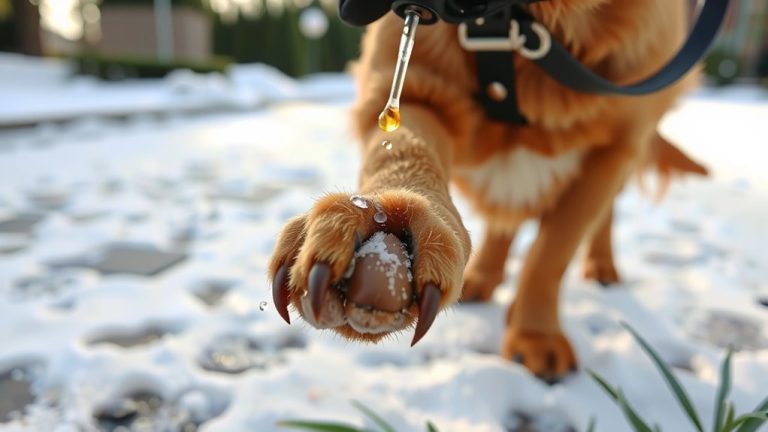
When the skin’s surface is too inflamed for even gentle lathering, rinse-only solutions become your best option for treatment without trauma. Use a sterile saline rinse or diluted chlorhexidine solution (0.05%) to gently cleanse the area without agitation. After rinsing, apply a cool compress for 10–15 minutes to reduce swelling and provide immediate relief. The drop in temperature constricts blood vessels, limiting inflammatory mediators. Herbal infusions like chamomile or calendula, steeped and cooled, can be used as natural anti-inflammatory rinses. Make sure infusions are strained and free of particulates to avoid irritation. These botanicals contain compounds such as azulene and bisabolol, which inhibit COX-2 enzymes, reducing pain and redness. Avoid alcohol-based preparations. Rinse with lukewarm water after compress use, then pat dry with a clean towel. Repeat up to twice daily.
When to Call the Vet for a Dog’s Hot Spot?
How do you know when a hot spot has crossed the line from manageable at home to needing veterinary intervention? Look for infection signs like spreading redness, pus, foul odor, or increasing swelling. These indicate bacterial invasion beyond superficial layers. If your dog shows pain when touched, runs a fever, or the lesion grows despite home care, seek veterinary consultation promptly. Hot spots larger than 2 inches in diameter or located near sensitive areas-eyes, ears, joints-require professional assessment. Your vet may prescribe topical or systemic antibiotics, such as cephalexin at 22 mg/kg every 12 hours, depending on severity. Delaying care risks deeper tissue involvement and prolonged healing. Early veterinary consultation prevents complications and guarantees accurate diagnosis, especially when underlying causes like allergies or parasitism are suspected. Don’t wait-act when symptoms escalate beyond mild inflammation.
Preventing Hot Spots After Healing
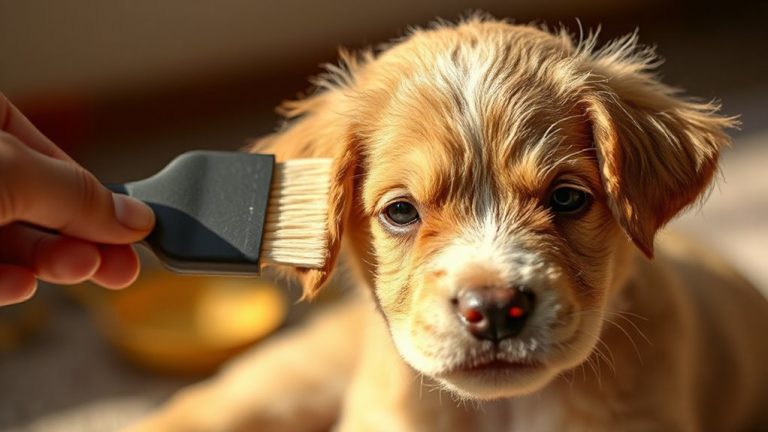
After the hot spot has fully healed, establishing a consistent skin maintenance routine is essential to prevent recurrence. Use an anti-inflammatory shampoo with 2% chlorhexidine and 0.5% miconazole weekly to support coat health and reduce microbial overgrowth. Rinse thoroughly-residual product can disrupt the skin’s pH, leading to irritation. Between baths, apply a leave-on rinse with colloidal oatmeal and omega-6 fatty acids to strengthen the skin barrier. Flea prevention is non-negotiable; administer monthly topical or oral treatments such as spinosad (45–60 mg/kg) or fluralaner (25–44 mg/kg) to prevent infestations. Flea bites trigger allergic reactions that compromise skin integrity. Check ears, paws, and underarms weekly for redness or moisture. Dogs with thick coats need bi-weekly brushing to prevent matting and improve air circulation. Moist, matted fur creates a breeding ground for bacteria. Maintain hygiene, stick to proven products, and monitor closely. Recurrence is avoidable with consistent care.
On a final note
You can manage mild hot spots effectively with the right products. Use shampoos containing 2% chlorhexidine or 1% miconazole to reduce bacteria and yeast. Rinse thoroughly-residue worsens irritation. For sensitive areas, try a leave-on chlorhexidine spray at 0.2% concentration. Always dry the coat fully post-bath to limit moisture buildup, a key factor in recurrence. These steps slow inflammation and support healing when applied consistently.