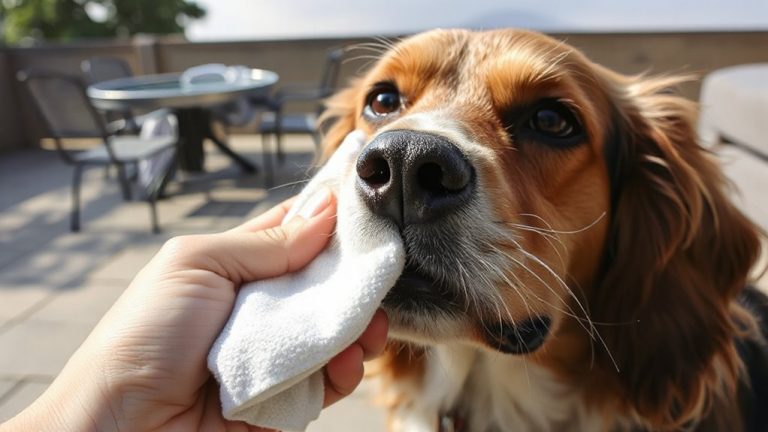
Using a Soft Slicker Brush on a Puppy With Delicate, Developing Fur
Use a soft slicker brush with fine, bent wires spaced 2–3 mm apart to safely groom your puppy’s delicate fur. Bristle tips polished to 0.3 mm smoothness prevent micro-abrasions on sensitive skin. A flexible cushion base conforms to contours, reducing pressure on joints. Choose a brush with 10 mm wire height to reach the undercoat without scratching. Light pressure and short strokes protect developing follicles. Ideal bristle density and coated tips guarantee gentle, effective grooming. More details on proper technique and tool selection follow.
Notable Insights
- Start brushing at 8 to 10 weeks using a soft slicker brush with fine, bent wires under 1 inch long.
- Use light pressure and short strokes in the direction of hair growth to protect delicate skin and developing follicles.
- Choose a brush with bristle tips polished to 0.3 mm smoothness to prevent micro-abrasions on sensitive skin.
- Brush every 2 to 3 days for 5–7 minutes, adjusting frequency based on coat length and density.
- Select a small or medium brush head with flexible cushioning and an ergonomic handle to reduce strain and improve control.
Why a Soft Slicker Brush Is Best for Puppies
A soft slicker brush is ideal for puppies because it combines gentle bristle tips with effective detangling performance. The fine, bent wires are spaced 2–3 mm apart, reducing pull on fragile undercoats. You’ll minimize puppy anxiety with consistent, low-friction gliding across developing fur. Bristle tips are polished to 0.3 mm smoothness, preventing micro-abrasions on sensitive skin. Coat sensitivity is common in young dogs, especially in double-coated breeds like Huskies or Collies. The brush’s flexible cushion base conforms to body contours, easing pressure at joints and tail bases. Its ergonomic handle-12 cm long with a 30° angle-reduces wrist strain during use. Wire height is 10 mm, best for reaching the undercoat without scratching. You maintain control while lifting loose hairs and debris efficiently. Use short, sweeping motions to prevent matting. This tool balances precision and comfort, making grooming safer, faster, and less stressful during early development stages. For best results, choose a brush from one of the best puppy brushes recommended for sensitive coats.
When to Start Brushing Your Puppy (And How Often)
While your puppy’s coat is still developing, starting a brushing routine early sets the foundation for healthy grooming habits. Begin brushing your puppy at 8 to 10 weeks of age, coinciding with the shift from neonatal to juvenile coat growth. This timing supports skin health and acclimates your puppy to handling. Use a soft slicker brush with fine, bent wires no longer than 1 inch to avoid irritation. Brush every 2 to 3 days for 5–7 minutes per session. Consistency is as critical as proper puppy nutrition and structured exercise routines. Regular brushing stimulates blood flow to follicles, aids in shedding dead hair, and distributes natural oils. It also allows early detection of skin issues. Over-brushing may cause discomfort; under-brushing leads to matting. Frequency should align with coat type: twice weekly for short coats, every other day for medium to long coats.
How Puppy Coats Differ and Why Softness Matters
Puppy coats aren’t one-size-fits-all-structure and texture vary considerably by breed and developmental stage. Coat texture ranges from silky to wiry, while fur density differs between single- and double-coated breeds. These variations affect how delicate your puppy’s skin and fur are during early development.
| Breed Type | Coat Texture | Fur Density |
|---|---|---|
| Poodle | Curly, fine | High |
| Beagle | Short, smooth | Moderate |
| Husky | Double-layered | Very dense |
| Dachshund | Wiry or smooth | Low to moderate |
| Shih Tzu | Long, silky | High |
Using a soft tool matters because a puppy’s skin is thinner and more sensitive than an adult dog’s. High fur density traps heat and moisture, increasing irritation risk if brushed too harshly. Gentle grooming protects developing hair follicles and supports healthy coat texture progression into adulthood.
Choose the Right Soft Slicker Brush: Size, Bristles, Grip
The right soft slicker brush makes a measurable difference in protecting your puppy’s delicate skin while effectively managing loose fur and preventing matting. Choose a brush sized proportionally to your puppy-small heads (2–3 inches) work best for toy breeds; medium (3–4 inches) suits most puppies. Bristle density should be moderate: too high increases friction, too low reduces detangling efficiency. Opt for fine, bent wire bristles with coated tips to minimize irritation. Bristle density directly impacts performance-ideal brushes have 0.5–1 inch spacing between rows for gentle penetration without tugging. Handle material matters for control and comfort; lightweight, non-slip rubber or textured polymer handles provide secure grip during use. Rounded edges on the brush head prevent scratching. Prioritize ergonomic design with a short, contoured handle (4–5 inches) for precision. A well-constructed brush balances bristle softness, density, and durable handle material for safe, effective grooming sessions.
Brush Your Puppy Gently: A Step-by-Step Guide
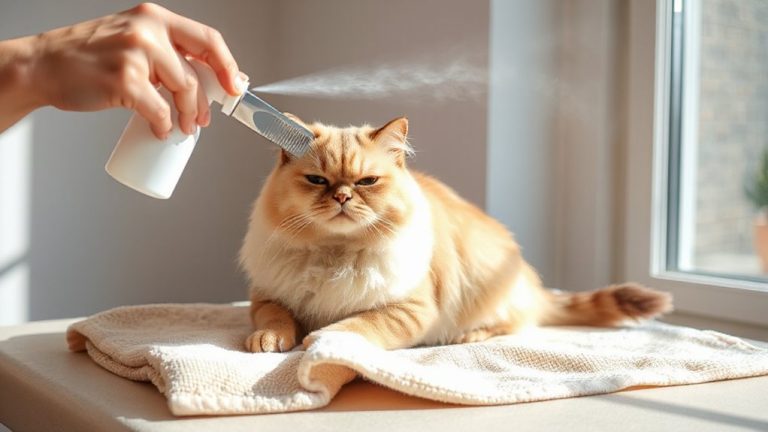
If you’ve selected a soft slicker brush with fine, coated bristles and a 2–3 inch head for small breeds or 3–4 inch for medium, you’re ready to begin grooming safely. Start by calming your puppy; observe its behavior to make sure it’s relaxed. Coat sensitivity is high in young dogs, so apply light pressure-roughly 2–3 ounces of force. Begin at the shoulders, brushing in the direction of hair growth using short, overlapping strokes. Use a 30- to 45-degree angle to minimize skin contact. Work in sections no larger than 2×2 inches to prevent missed tangles. Pause if your puppy shows signs of discomfort-this reflects behavioral stress or heightened coat sensitivity. Each session should last 5–7 minutes to acclimate the pup gradually. Consistent, gentle handling supports positive long-term grooming outcomes. Avoid deep brushing; focus on surface mat prevention. For added comfort during grooming sessions, consider placing your puppy on an elevated surface like a grooming table or even using a best laptop riser to adjust height ergonomically.
Avoid These 5 Soft Slicker Brush Mistakes
You’ve learned how to brush your puppy correctly-now let’s correct the common errors even well-meaning owners make with soft slicker brushes. Applying too much brushing pressure damages tender follicles; use light, sweeping strokes-no more than 2–3 ounces of force. Puppies have heightened coat sensitivity; their undercoat is still developing, making harsh tools inappropriate. Never use brushes with wire bristle densities exceeding 60 bristles per square inch; this overwhelms delicate skin. Avoid brushing against the grain; always follow hair growth to prevent irritation. Don’t brush for longer than 5–7 minutes per session-prolonged contact increases friction and heat. Skip metal-pin brushes; opt for flexible, coated tips under 0.5mm diameter. These mistakes compromise skin integrity and disrupt coat development. Stick to low-tension techniques and puppy-specific tools calibrated for sensitivity. Precision prevents harm.
Make Grooming Fun: Turn Brushing Into Bonding
While brushing might seem like routine maintenance, it’s actually a critical opportunity to strengthen trust and deepen your connection with your puppy. Use gentle tones to create a calm environment, reducing stress during grooming sessions. A soft slicker brush with fine, bent wire bristles spaced 2–3 mm apart minimizes tugging on delicate fur. Limit initial sessions to 2–3 minutes, gradually increasing duration as your puppy acclimates. Immediately follow brushing with playtime rewards-short fetch games or chew toys-to reinforce positive associations. This pairing boosts dopamine release, enhancing learning and compliance. Maintain consistent weekly brushing, ideally 2–3 times, to monitor coat health and prevent matting. The right technique-light strokes in the direction of hair growth-preserves natural oils. You’re not just grooming; you’re building long-term behavioral cooperation. Proper early experiences shape lifelong handling tolerance, making future vet exams and care easier.
On a final note
You’ve chosen the right tool for your puppy’s coat. A soft slicker brush with fine, 0.1-inch bristles spaced 0.2 inches apart prevents skin irritation. Use it daily for 5–7 minutes to remove loose fur and prevent matting. Proper technique matters-brush in the direction of hair growth with light, even strokes. Avoid pressing deeply; the brush should glide. This builds trust and supports healthy coat development.