Portion Strategies for Pets Recovering From Malnutrition or Starvation Events
Start with 10–15 kcal per kilogram of body weight every four to six hours to prevent refeeding syndrome. This metabolic shift can trigger dangerous electrolyte drops, especially in phosphorus and potassium. Use a digestible, low-residue formula and measure portions precisely with a gram scale or syringe. Advance slowly to 40–50 kcal/kg/day by day 3–7 only if no vomiting or lethargy occurs. Frequent, small meals support ATP regeneration and gut recovery. Your plan should align with veterinary milestones. There’s a structured way to scale intake safely based on clinical response.
Notable Insights
- Start feeding at 10–15 kcal per kilogram every 4–6 hours to minimize refeeding syndrome risk.
- Gradually increase portions by 15–20% every 3–4 hours if no vomiting, lethargy, or diarrhea occurs.
- Divide daily intake into 4–6 small meals to stabilize blood sugar and support metabolic recovery.
- Use precise measurements with a gram-scale or calibrated syringe for accurate calorie delivery.
- Advance calories slowly based on weekly targets: 30 kcal/kg in week 1, increasing by 10 kcal/kg weekly.
What Is Refeeding Syndrome in Starved Pets?
While your pet may seem keen to eat after prolonged starvation, feeding too much too soon can trigger a dangerous condition known as refeeding syndrome. This metabolic disturbance occurs when the body shifts rapidly from fat to carbohydrate metabolism. Insulin surges drive glucose into cells, causing a sudden drop in serum electrolytes. You’ll see severe electrolyte imbalance, particularly in phosphorus, potassium, and magnesium. These deficits impair cellular function across essential organs. Cardiac complications arise as low phosphate levels reduce ATP production, weakening heart contractions. Arrhythmias or acute heart failure may follow. Refeeding syndrome often appears within 12–72 hours post-feeding. Risk increases with longer starvation periods, especially over five days. You must monitor vitals and bloodwork closely. Early signs include weakness, respiratory distress, and lethargy. Prevent this by controlled nutrient reintroduction-never allow unrestricted access. The condition is preventable with proper protocol.
Start With Tiny Portions: First 24–48 Hours
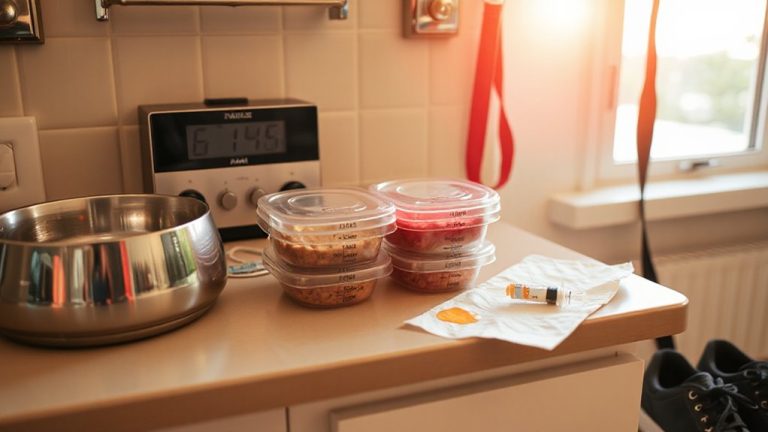
Since your pet’s digestive system has been dormant, begin feeding with portions as small as 10–15 kcal per kilogram of body weight every four to six hours. This initial intake is critical-it jumpstarts metabolism without overwhelming weakened organs. Start with a highly digestible, low-residue formula to reduce gastrointestinal stress. Monitor for vomiting, bloating, or lethargy after each meal. Your feeding frequency guarantees steady nutrient delivery while minimizing refeeding syndrome risks. Avoid increasing portions quickly; stick to the schedule even if your pet seems hungry. Electrolyte imbalances are common, so vet supervision during this phase is essential. Use a calorie calculator to measure each portion precisely. Tiny, frequent meals support metabolic adaptation. The goal is stability, not rapid weight gain. This cautious approach protects cardiac and liver function. Trust the process-your pet’s recovery depends on disciplined portion control in these first 48 hours.
Feed Every 4–6 Hours: Early Recovery Schedule
Feed your pet every four to six hours during the first week of recovery to maintain consistent energy levels and support metabolic healing. This feeding frequency prevents blood sugar crashes and reduces refeeding syndrome risks. Meal spacing of 4–6 hours aligns with a compromised digestive system’s limited capacity. Offer small, measured portions at each interval-typically 10–20 kcal per kilogram of body weight per feeding for dogs; adjust for species and size. Strict adherence to schedule guarantees steady nutrient absorption without overloading organs. Use a timer or app to maintain accuracy. Avoid skipping or delaying meals, as irregular meal spacing disrupts metabolic recalibration. Frequent feedings stimulate gut motility and support intestinal repair. Monitor responsiveness: lethargy or vomiting may signal needed adjustments. Consistent feeding frequency is clinically proven to enhance outcomes in malnourished animals. Follow this protocol precisely for maximum early-stage recovery.
Increase Meals Gradually: Days 3–7 Plan
If your pet tolerates the initial feeding schedule without vomiting, lethargy, or diarrhea, you can begin increasing meal frequency on days 3 to 7. Start by offering small meals every 3–4 hours, up to six times daily. This gradual uptick supports metabolic recovery without overwhelming strained organ systems. Maintain strict portion sizing-each meal should be 15–20% larger than initial feeds, based on ideal body weight. For example, if your pet’s target weight is 10 kg, feed approximately 40–50 kcal/kg/day divided equally across meals. Use a calibrated syringe or gram-scale for accuracy. Increasing meal frequency improves nutrient absorption and minimizes refeeding syndrome risks. Monitor body temperature and hydration closely. Do not advance portions faster than recommended. Controlled, consistent progression in both portion sizing and meal frequency guarantees steady restoration of muscle mass and energy reserves essential for recovery.
Watch for Readiness Signs: When to Increase
How do you know when your pet is ready for the next step? Watch for consistent feeding cues and positive behavioral changes. Your pet should enthusiastically approach meals, chew thoroughly, and show no signs of nausea or discomfort. Steady weight gain-typically 1–2% of body weight daily-is a key physiological indicator. Improved energy levels, resumed grooming, and increased alertness reflect metabolic recovery. Avoid rushing; advancement depends on tolerance, not time. If your pet finishes all food without gastrointestinal upset like bloating or diarrhea for 48 consecutive hours, they’re likely ready. These behavioral changes signal gastrointestinal adaptation. Small, frequent meals must remain the standard, but you can consider a 10–15% portion increase at the next interval. Monitor for regurgitation or lethargy post-feeding. Responsiveness to feeding cues guarantees nutritional support aligns with recovery capacity. Always confirm progression aligns with clinical stability.
Adjust With Your Vet: Personalized Feeding Milestones
Why do some pets progress faster through recovery feeding than others? Individual metabolism, age, and initial body condition heavily influence recovery speed. That’s why you need personalized feeding milestones created with your vet. Portion tracking guarantees controlled, consistent intake to avoid refeeding syndrome. Your vet will adjust portions based on measurable improvements.
| Week | Body Condition Score (1–9) | Daily Caloric Intake (kcal/kg) |
|---|---|---|
| 1 | 1–2 | 30 |
| 2 | 2–3 | 40 |
| 4 | 3–4 | 50 |
| 6 | 4–5 | 60 |
Gradual increases support tissue repair without overwhelming organ function. Always document weight and intake daily. Your pet’s recovery isn’t linear-regular vet check-ins fine-tune the plan. Body condition assessments every 7–10 days guide safe progression. Never guess-use portion tracking to match clinical goals.
On a final note
You must prevent refeeding syndrome by starting with small, frequent meals. Offer 10–20 kcal/pound daily in the first 24–48 hours, divided into six portions. Increase intake by 25% every 48 hours if no vomiting or diarrhea occurs. Monitor temperature, hydration, and electrolyte levels closely. Always follow your vet’s guidance to adjust portions based on weight gain and lab results. Precision guarantees recovery.