Clean Dog Jowls to Prevent Drool Rash: pH 5.5-7.0 Wipes & Steps
Clean your dog’s jowls every two to three days using hypoallergenic, alcohol-free wipes with a pH between 5.5 and 7.0. Gently lift the jowl and wipe folds with a soft cloth or veterinary-approved wipe for 30–60 seconds. Use light pressure in circular motions to remove debris and microbes. Dry thoroughly with a microfiber towel-pat, don’t rub. Apply a vet-approved barrier balm containing zinc oxide or petrolatum. Consistent care reduces risk of maceration and fungal overgrowth, especially in breeds prone to deep facial folds. You’ll soon see which products and routines deliver the best results for your dog’s skin health.
Notable Insights
- Check jowls daily for redness or swelling to catch drool rash early.
- Use hypoallergenic, alcohol-free wipes with a 5.5–7.0 pH to clean skin safely.
- Gently clean folds with a damp cloth or cotton swab, focusing on trapped moisture.
- Dry thoroughly with a soft microfiber towel, patting-never rubbing-sensitive areas.
- Apply a vet-approved barrier balm after cleaning to protect skin and prevent irritation.
Spot the Signs: How to Identify Early Drool Rash Symptoms
While catching drool rash early won’t require lab tests, knowing what to look for can prevent minor irritation from becoming a chronic skin issue. You’ll first notice skin irritation along your dog’s jowls, especially in breeds with loose facial folds like Bulldogs or Newfoundlands. Look for redness, warmth, or slight swelling-early markers of inflammation. Moisture trapped in the folds creates an ideal environment for a fungal infection, typically caused by Malassezia or Candida species. Left unchecked, this progresses to pustules, crusting, or a yeasty odor. The affected area may measure over 2 cm in diameter and feel raised to the touch. Unlike transient wetness, persistent shine on the skin indicates maceration. Early identification reduces treatment time by up to 50%. Monitoring twice daily with consistent lighting improves detection accuracy. Immediate intervention at the first sign of irritation limits microbial colonization and prevents secondary infection.
Gather the Right Supplies for Safe Jowl Cleaning
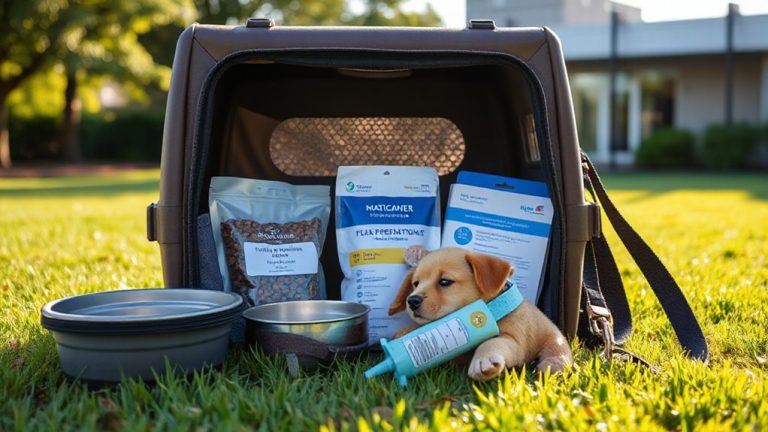
You’ll need a few specific supplies to clean your dog’s jowls safely and effectively. Use hypoallergenic, alcohol-free grooming wipes designed for pets-choosing wipes with a pH between 5.5 and 7.0 helps maintain skin balance. Look for ingredients like aloe vera or vitamin E, which support skin health without clogging pores. Avoid fragrances, parabens, and sulfates when avoiding irritants, as these can disrupt the skin barrier and trigger inflammation. A soft microfiber cloth can supplement wipes for gentle drying. For dogs with deep jowl folds, consider a rounded-tip hemostat to safely access hard-to-reach areas without injury. All products should be non-comedogenic and dermatologically tested. Store wipes in a sealed container to prevent drying. Using the correct tools guarantees effective hygiene while minimizing microbial buildup and reducing the risk of dermatitis.
Step-by-Step: How to Clean Your Dog’s Jowls Gently
Now that you’ve assembled the proper supplies, it’s time to begin the actual cleaning process. Start by gently lifting your dog’s jowl to expose the folds where moisture and debris accumulate. Use a soft, damp washcloth or veterinary-approved wipe to gently cleanse the area. Apply light pressure in a circular motion to remove bacteria and yeast without causing skin irritation. For dogs with deep jowls, a cotton swab dipped in saline solution can reach tight crevices. Avoid alcohol-based products, which disrupt natural pH and compromise jowl hygiene. Cleaning should take 30–60 seconds per side, depending on fold depth. Perform this routine daily for breeds prone to drooling, like Bloodhounds or Bulldogs. Consistent technique reduces the risk of dermatitis and infection. Proper jowl hygiene prevents chronic inflammation and supports long-term skin health.
Dry and Protect: Prevent Moisture Buildup After Cleaning
After cleaning, thoroughly drying your dog’s jowls is essential to prevent moisture buildup that can lead to bacterial and fungal growth. Use a clean, absorbent microfiber towel to gently pat the folds dry-avoid rubbing, which can irritate sensitive skin. Moisture control is critical; trapped dampness creates a breeding ground for pathogens, especially in breeds with deep facial folds like Bulldogs or Mastiffs. For added effectiveness, tilt your dog’s head slightly downward to allow water to drain naturally. Once dry, apply a veterinarian-approved moisture barrier balm containing zinc oxide or petrolatum to support skin protection. These ingredients form a hydrophobic layer that resists drool accumulation without clogging pores. Avoid products with fragrances or alcohol, which can disrupt pH balance. Consistent drying and protective coating application reduces inflammation risk and maintains integumentary health.
How Often to Clean: And When to See the Vet
Regularly cleaning your dog’s jowls-typically two to three times per week-helps prevent buildup of bacteria, yeast, and debris in the skin folds. Follow frequency guidelines based on your dog’s saliva production and breed-specific anatomy; drool-heavy breeds like Bulldogs or Saint Bernards may need cleaning every other day. Use a soft, lint-free cloth or veterinary-recommended wipe to gently remove moisture and residue. If redness, odor, or skin erosion appears despite regular care, seek veterinary consultation promptly. Early signs of infection may include pustules or crusting, requiring professional diagnosis and prescription treatment. Do not increase cleaning frequency beyond daily without guidance-over-cleaning can disrupt the skin’s natural barrier. A vet can assess underlying conditions like dermatitis or hypothyroidism contributing to moisture retention. Veterinary consultation guarantees accurate identification of microbial causes-bacterial vs. fungal-and targeted therapy. Consistent adherence to frequency guidelines minimizes complications while supporting long-term skin health.
Why Drool Rash Happens: And Which Dogs Are at Risk
Because warm, moist environments promote microbial overgrowth, your dog’s jowls can become breeding grounds for bacteria and yeast if not properly managed. Anatomy differences in certain breeds-especially those with loose, sagging skin like Bulldogs or Bloodhounds-trap moisture and saliva, increasing risk. These skin folds create microenvironments where bacterial growth thrives. Prolonged exposure to dampness weakens the skin barrier, allowing pathogens to invade. Short-nosed (brachycephalic) dogs are especially prone due to their facial structure, which limits proper air circulation. Excess drool accumulates in folds, accelerating irritation and inflammation. Without regular cleaning, this leads to drool rash-a form of moist dermatitis. Clinical signs include redness, odor, and sometimes oozing. Preventative care is essential. Monitor high-risk breeds closely. Address moisture buildup daily. Early intervention stops progression. Anatomy differences directly influence susceptibility, so know your dog’s risk.
On a final note
You must clean your dog’s jowls regularly to prevent drool rash. Moisture trapped in skin folds breeds bacteria-like *Malassezia* and *Staphylococcus intermedius*. Use a soft, non-abrasive cloth and veterinary-approved chlorhexidine solution (0.5–1% concentration) to disinfect. Dry thoroughly with absorbent gauze. Apply a vet-recommended barrier ointment containing zinc oxide or petrolatum. Perform this routine every 1–2 days, especially in breeds with deep lip folds such as Bulldogs or Bloodhounds.