How to Assemble a Comprehensive Pet Emergency Kit for Dogs and Cats at Home
You need a durable, 20″x12″x10″ polypropylene container with UV protection and silicone seals for airtight security. Pack a 7-day supply of food-25–30 calories per pound of body weight-in mylar bags, plus three gallons of water in FDA-approved BPA-free jugs. Include collapsible stainless steel bowls and a portable 0.1-micron water filter. Store medications in airtight, labeled containers with desiccant packs, and keep records in waterproof, tamper-resistant sleeves. Add an IATA-compliant carrier, a first aid manual, digital thermometer, sterile gauze, povidone-iodine, saline flush, and a battery-powered radio. Attach ID tags with your contact info and include a familiar blanket and small toy. A complete kit also integrates padded straps or wheels for easy transport-there’s more to optimize inside.
Notable Insights
- Include a 7-day supply of pet food and water, with at least 10 oz of water per pound of body weight daily.
- Pack a durable, IATA-compliant carrier, leash, harness, and collapsible BPA-free water bowl for safety and hydration.
- Store medical records, vaccinations, and microchip details in a waterproof pouch with digital backups in a Faraday pouch.
- Assemble a pet first aid kit with gauze, antiseptics, gloves, a digital thermometer, and necessary medications in airtight containers.
- Choose a rugged, UV-resistant container with TSA-approved seals, handles, and space for a 72-hour supply of food and water.
What Belongs in a Pet Emergency Kit
A well-stocked pet emergency kit guarantees your dog or cat stays safe during unexpected situations like natural disasters, accidents, or power outages. Include a 7-day supply of food and water (minimum 10 oz per pound of body weight daily). Pack collapsible, BPA-free water bowls (stainless steel recommended for durability). Add a leash, harness, and carrier meeting IATA standards for safe transport. Store copies of medical records, vaccination certificates, and microchip details in a waterproof pouch. Include a pet first aid manual and supplies: gauze (2” and 4”), adhesive tape, antiseptic wipes, tweezers, and digital thermometer. A battery-powered radio monitors emergency alerts. Label medications with dosage and frequency. Keep a current photo for identification. Enroll in pet insurance covering emergencies-review policy limits and coverage exclusions. Add a fleece blanket for warmth (thermal retention up to 20°F drop). This kit secures readiness without panic. Consider including a best pet travel playpen for secure, portable containment during evacuations or temporary sheltering.
Choose a Portable Pet Emergency Kit Container
If you’re storing your pet’s emergency supplies for quick deployment, the container you choose must balance durability, portability, and organization. Container durability is critical-select rigid, waterproof materials like high-impact polypropylene or ABS plastic to withstand drops and harsh conditions. Walls should be at least 3mm thick for impact resistance. Integrated UV protection prevents degradation during prolonged sun exposure. Portability features include ergonomic handles, padded shoulder straps, and wheels for heavier kits. Look for models with TSA-approved latches and silicone seals to maintain an airtight environment. Internal dividers and mesh pockets let you categorize items efficiently. Size the container to hold supplies without exceeding 20 pounds for safe lifting. A 20″x12″x10″ dimension offers adequate volume while remaining airline-carry-on compliant. Label the exterior with biohazard symbols and “PET MEDICAL KIT” for visibility.
Pack 72 Hours of Food and Water
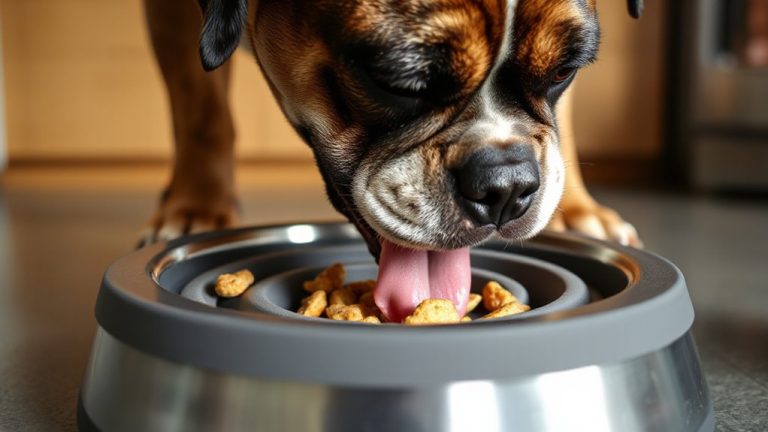
Three days’ worth of food and water can make the difference between life and crisis during an emergency. You need at least one gallon of water per pet per day-three gallons for a 72-hour supply. Store water in FDA-approved, BPA-free containers rated for long-term storage. Include water purification tablets or a portable filter with a 0.1-micron pore size to remove bacteria and protozoa if refill isn’t possible. For food, pack a three-day supply of your pet’s regular diet to avoid digestive upset. Use portion control: pre-measure meals in resealable mylar bags based on your pet’s daily caloric needs-typically 25–30 calories per pound of body weight. Dry kibble lasts longer than wet food, but if using canned, include a manual can opener. Rotate food and water every six months to maintain freshness and safety. Consider using a high-quality pet food container set to store kibble securely and prevent spoilage or contamination.
Store Meds and Records Safely
Keep medications and medical records as fresh and protected as the food and water you’ve already packed. Proper medication storage prevents degradation from heat, moisture, or light. Use airtight, opaque containers with desiccant packs to maintain potency. Store pills and liquids below 77°F (25°C), away from direct sunlight. Label each medication with name, dose, and expiration date. For record protection, use a waterproof, tamper-resistant document sleeve. Digitize vaccination records, prescriptions, and microchip information, and store them in password-protected cloud storage. Include a printed backup in your pet’s emergency folder. Use acid-free paper for physical copies to prevent yellowing. Update records quarterly. A Faraday pouch shields digital backups from electromagnetic interference. These steps guarantee critical health data remains accessible and intact during power outages or evacuations. Reliable medication storage and record protection are essential for uninterrupted pet care when normal systems fail.
Stock First-Aid Items for Common Pet Injuries
Why risk preventable complications when a few essentials could make all the difference? Stock your pet’s emergency kit with first-aid supplies for immediate response to common injuries. Include sterile gauze pads (4” x 4”), non-adherent pads, and adhesive tape for effective bandage techniques. Add rolled cotton and self-adhering wrap (2” and 4” widths) to secure dressings without restricting circulation. Carry scissors with blunt tips for safe trimming. For wound cleaning, pack povidone-iodine solution and saline flush (500 mL bottle) to irrigate cuts and abrasions. Avoid hydrogen peroxide-it damages tissue. Include a digital thermometer (range: 90–108°F) for monitoring post-injury. Latex or nitrile gloves maintain hygiene during treatment. Add a small towel for control during care. These items support structured intervention until veterinary help is available.
Include ID Tags and Comfort Items
Even with first-aid supplies ready for physical injuries, a pet’s safety also depends on identification and stress reduction during crises. You must include durable ID tags on your pet’s collar or harness. These tags should display your name, phone number, and address; engraving guarantees legibility after prolonged use. For electronic redundancy, pair physical tags with a microchip containing updated registration data. Comfort items help stabilize your pet’s behavior during disorientation. Pack a familiar blanket (minimum 30″ x 40″ for cats, 45″ x 60″ for dogs) made of breathable, washable fabric like cotton or fleece. Include a favorite chew toy or soft plush item weighing under 8 oz to minimize kit bulk. These items reduce cortisol spikes during evacuation scenarios. Together, ID tags and comfort items enhance recovery odds and psychological resilience without increasing logistical burden.
Check and Refresh Your Kit Every Few Months
Regularly inspecting your pet emergency kit guarantees all components remain functional and within serviceable life. Check expiration dates on medications, vaccines, and food every three months. Expired items lose potency and may pose health risks. Replace opened or used supplies promptly. Conduct inventory updates to verify all required items are present and undamaged. Inspect seal integrity on water pouches and vacuum-packed wound dressings. Batteries in flashlights and radios degrade over time; test them biannually. Replace frayed leashes, torn blankets, or cracked bowls. Store perishable medications per manufacturer instructions-typically between 36°F and 77°F (2–25°C). Use a waterproof checklist inside the kit to track contents and replacement dates. Rotate canned food every six months. Mark calendar reminders for scheduled maintenance. Proper upkeep ensures your kit performs reliably during emergencies. Functionality depends on consistent care.
On a final note
You’re prepared when disaster strikes. A well-stocked pet emergency kit guarantees your dog or cat survives 72 hours without external support. Use a durable, waterproof container measuring at least 12” x 8” x 10” to hold food, water, meds, and records. Include a seven-day medication supply, laminated medical documents, and a fitted leash. Refresh contents every three months to maintain efficacy and safety.