Treating Chronic Dry Eye (KCS) in Dogs With Medications and Eye Care
You treat your dog’s chronic dry eye (KCS) with immune-modulating drugs like cyclosporine 0.2% or tacrolimus 0.03%, applied twice daily to restore tear production. These medications target the immune attack on tear glands, with improvement seen in 2–6 weeks. Use preservative-free artificial tears 3–4 times daily for lubrication. Perform daily lid hygiene to prevent secondary complications. Maintain indoor humidity above 40% RH and attend checkups every 3–6 months to fine-tune therapy. There’s more to optimizing long-term outcomes.
Notable Insights
- Immune-mediated inflammation causes most canine KCS cases, especially in predisposed breeds like Cocker Spaniels and Bulldogs.
- Diagnose KCS using a Schirmer tear test, with values below 10 mm/min confirming inadequate tear production.
- Treat with cyclosporine or tacrolimus eye medications to reduce inflammation and restore tear gland function.
- Support therapy with preservative-free artificial tears 3–4 times daily to maintain ocular surface moisture.
- Maintain lid hygiene, control environmental triggers, and schedule vet checkups every 3–6 months for treatment monitoring.
What Causes Dry Eye in Dogs (KCS)?
While your dog’s eyes may seem healthy at first glance, chronic dry eye-also known as keratoconjunctivitis sicca (KCS)-often develops when the immune system mistakenly attacks the tear glands. This immune dysfunction reduces tear production, leading to inflammation and corneal damage. Normally, dogs produce 15–20 mm of tears per minute on the Schirmer tear test; in KCS, levels drop below 10 mm. Predisposed breeds include Cocker Spaniels, Bulldogs, and Shih Tzus. Secondary causes include distemper virus, certain sulfa drugs, or congenital conditions. Environmental irritants like cigarette smoke, dust, and dry air worsen symptoms by accelerating tear evaporation. These stressors don’t initiate KCS but can aggravate existing cases. Over 90% of canine KCS cases are due to immune-mediated inflammation, destroying lacrimal gland tissue over time. The result is a thick, mucoid discharge and chronic discomfort. Early recognition of causative factors helps prevent irreversible keratitis or vision loss. Addressing both immune dysfunction and environmental irritants slows progression and improves outcomes. Supporting long-term eye health often involves using best eye drops for dogs formulated to lubricate and protect the ocular surface.
How Veterinarians Diagnose KCS in Dogs
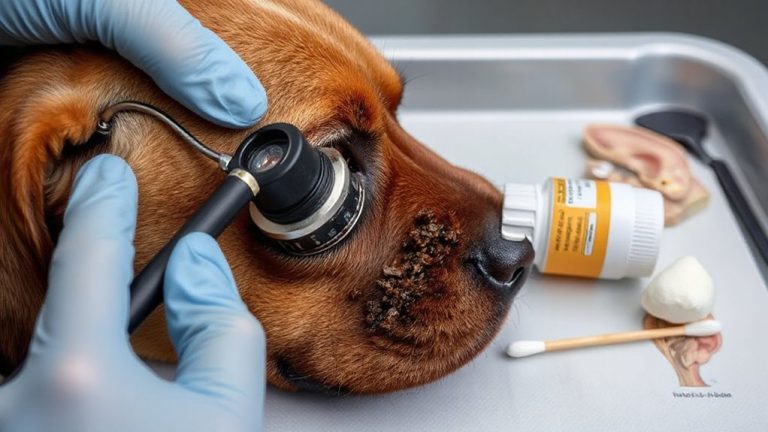
Your vet starts diagnosing dry eye by looking closely at your dog’s symptoms and medical history, especially if your pet belongs to a breed prone to KCS like Cocker Spaniels or Bulldogs. The primary diagnostic tool is the Schirmer tear test, which measures tear production in millimeters per minute. A value below 15 mm/min indicates reduced tear production; KCS is confirmed if it’s under 10 mm/min. During this test, a calibrated paper strip is placed in the lower eyelid for exactly 60 seconds. Corneal staining follows, using fluorescein dye to detect surface damage. The dye adheres to areas where the epithelium is compromised, revealing ulcers or scratches under blue light. This step confirms whether insufficient lubrication has damaged the cornea. Both tests are quick, minimally invasive, and typically performed in-clinic without sedation. Accurate results guide treatment planning.
Medications That Help Dogs Produce More Tears
Since tear production is critical for maintaining corneal health, your veterinarian will likely prescribe a medication that stimulates the lacrimal glands to increase natural tear secretion. Tear stimulation is the cornerstone of KCS treatment, and two commonly used drugs are available:
| Medication | Active Ingredient | Dosage Frequency |
|---|---|---|
| Optimmune® | Cyclosporine 0.2% | Twice daily |
| Restasis® for Dogs | Cyclosporine 0.09% | Twice daily |
| Tacrolimus 0.03% | Tacrolimus | Twice daily |
| Cyclosporine Ophthalmic Solution | Cyclosporine 1% | Once to twice daily |
| OcuVenin® | Tacrolimus 0.02% | Twice daily |
These medications modulate the immune response to restore gland function. Consistent tear stimulation prevents corneal ulceration and preserves vision. Medication adherence is essential-missing doses reduces efficacy. Response typically begins within 2–6 weeks. Your vet will monitor Schirmer tear test values to assess progress. Stick to the schedule for best results.
Daily Eye Care for Dogs With KCS
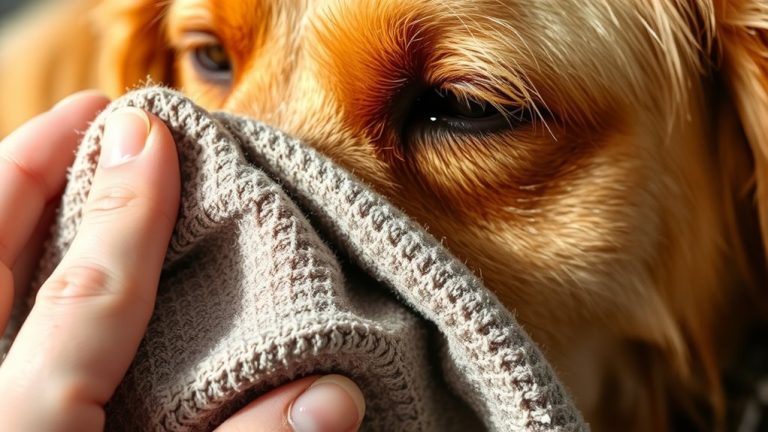
Even with effective medication, managing KCS fully requires consistent daily eye care to support tear film stability and protect corneal integrity. You should apply artificial tears 3–4 times daily to maintain moisture and reduce irritation. Preservative-free formulations are preferred to minimize ocular surface toxicity with long-term use. These drops supplement tear volume but don’t replace natural tear function. Equally important is lid hygiene. Use a sterile, non-irritating ocular cleanser or saline solution on a soft cloth to gently wipe away discharge from the eyelid margins each day. This prevents bacterial buildup and keeps glands from clogging. Crusts or debris can trap pathogens, increasing infection risk. Clean from the inner to outer eye edge, using a fresh section of cloth per wipe. Consistent lid hygiene improves gland function and tear film quality. Combined with artificial tears, this routine supports long-term corneal health.
Preventing and Managing KCS Flare-Ups
Most flare-ups of keratoconjunctivitis sicca (KCS) in dogs can be prevented with consistent medication and environmental management. You must administer cyclosporine ophthalmic ointment (0.2–2 mg per eye) twice daily as prescribed. Environmental triggers like dust, wind, and low humidity worsen tear film evaporation. Use air purifiers to reduce particulate exposure and avoid smoke-filled rooms. Seasonal changes, especially winter dryness or high pollen in spring, increase ocular irritation risk. Monitor tear production using the Schirmer tear test; values below 10 mm/min indicate inadequate moisture. Artificial tears (preservative-free, 0.4% hyaluronate) can supplement treatment every 4–6 hours during high-risk periods. Keep your dog’s sleeping area humidified above 40% relative humidity. Avoid grooming products near the eyes. Regular veterinary checkups every 3–6 months help adjust therapy before flare-ups occur. Immediate intervention reduces corneal damage risk.
Living Well With KCS Long-Term
While managing KCS over the long term, your dog’s ocular health relies on consistent treatment and environmental control. Daily application of cyclosporine or tacrolimus ointments maintains tear production. You must adhere to prescribed dosing-typically twice daily-to sustain corneal integrity. Lifestyle adjustments reduce ocular strain. Minimize exposure to dust, wind, and low-humidity areas. Use a humidifier indoors, especially in dry climates or heated homes. Emotional support is equally essential; dogs sense stress, which can exacerbate discomfort. Maintain normal routines to provide stability.
| Factor | Recommendation | Frequency/Measurement |
|---|---|---|
| Medication | Cyclosporine 0.2% ointment | Twice daily |
| Humidity | Indoor levels | 40–60% RH |
| Eye cleaning | Saline solution | Once daily as needed |
On a final note
You manage KCS effectively with consistent treatment and monitoring. Cyclosporine ophthalmic ointment (0.2% to 2%) or tacrolimus (0.03%) increases tear production in 80–90% of dogs within 2–6 weeks. Use artificial tears every 4–6 hours to maintain corneal moisture. Schirmer tear test values below 10 mm/min confirm KCS; aim for >15 mm/min with therapy. Clean the eyes daily with sterile saline. Prevent flare-ups through routine care and annual veterinary exams.