How to Select the Right Probiotic Strain for Your Senior Dog’s Digestive Health
Choose probiotic strains proven for senior dogs, like *Bifidobacterium animalis* AHC7 and *Enterococcus faecium* SF68®, which boost fecal IgA and resist stomach acid. Aim for 1–10 billion CFUs per dose with guaranteed viability at expiration. Use enteric-coated capsules for targeted intestinal release. Avoid generic blends-select canine-specific formulations. Improper strain choice may worsen dysbiosis. Your dog’s unique gut needs become clearer when you explore the science behind strain-specific benefits.
Notable Insights
- Choose dog-specific probiotic strains like *Bifidobacterium animalis* (AHC7) and *Enterococcus faecium* (SF68) for proven senior digestive benefits.
- Prioritize strains that support gut barrier integrity, such as *Lactobacillus rhamnosus* and *Bifidobacterium longum*, to reduce inflammation and improve immunity.
- Select a product with 1–10 billion CFUs per dose, ensuring potency is guaranteed through expiration, not just at manufacturing.
- Use enteric-coated capsules or vet-recommended delivery forms to protect probiotics from stomach acid and ensure intestinal delivery.
- Rotate strains every 8–12 weeks and always consult a veterinarian to align probiotic choice with your senior dog’s health status.
Why Senior Dogs Need Probiotics for Gut Health
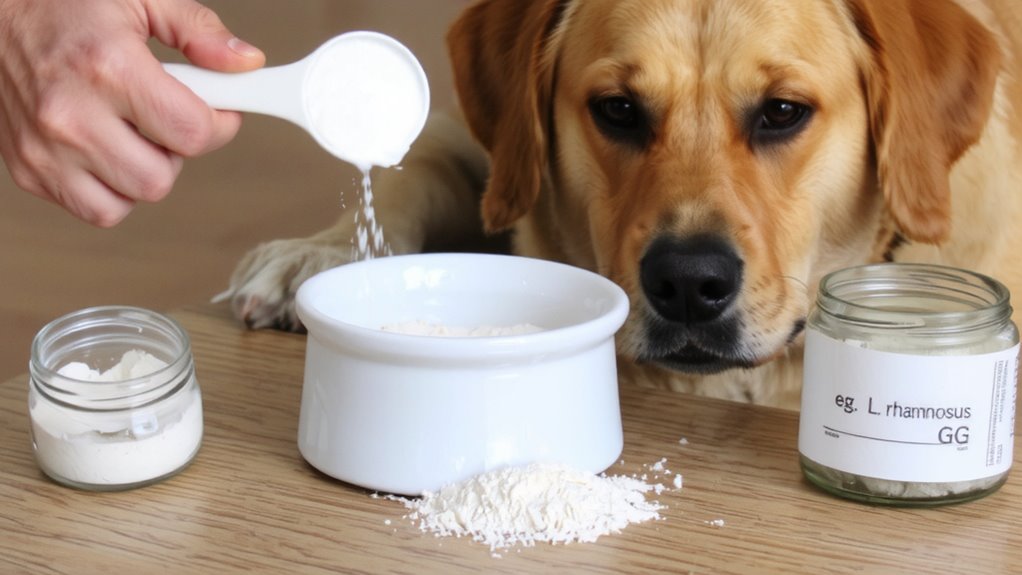
Gut health. It’s central to your senior dog’s overall well-being. As dogs age, gut aging disrupts the intestinal lining, reducing nutrient absorption and weakening immune function. This process directly impacts microbiome balance, shifting beneficial bacteria populations toward harmful species. You’ll notice occasional diarrhea, gas, or reduced appetite-signs of dysbiosis. Probiotics help restore stability by introducing live, beneficial microorganisms. These strains colonize the gut, compete with pathogens, and produce short-chain fatty acids like butyrate, which fuel colonocytes. Clinical studies show aged dogs receiving daily probiotics maintain 30–40% higher levels of Lactobacillus and Bifidobacterium. That’s critical for pH regulation and pathogen resistance. You need a probiotic with at least 1–5 billion CFUs per dose, stability through gastric acid, and strain specificity. Without intervention, gut aging accelerates, compromising systemic health. Probiotics are not just supportive-they’re essential. A high-quality probiotic may also support dogs dealing with yeast and allergies by promoting a balanced microbiome that resists opportunistic pathogens.
Best Probiotic Strains for Aging Dogs (Backed by Science)
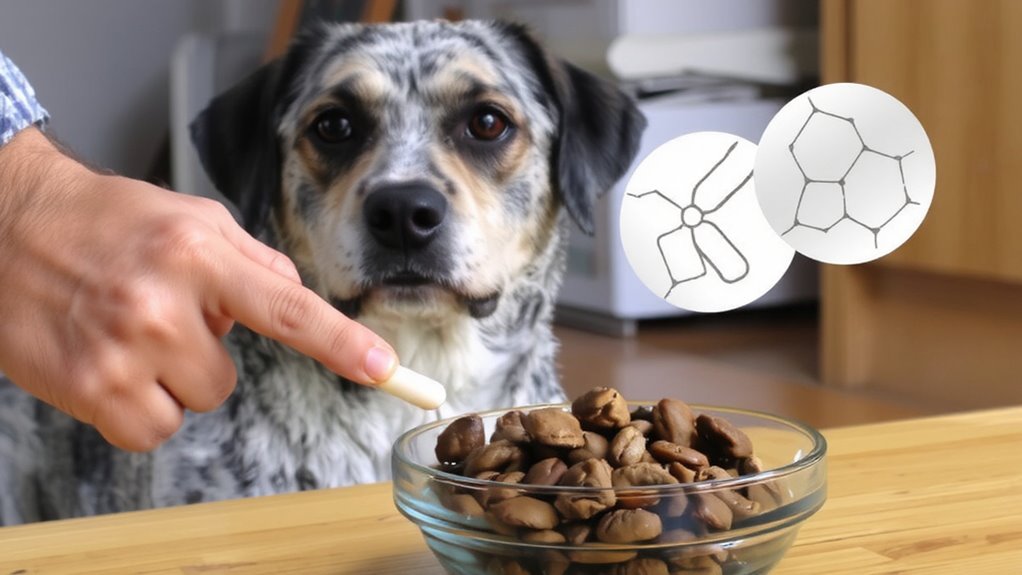
Balance matters-especially when it comes to your senior dog’s digestive system. As dogs age, they experience age related dysbiosis, an imbalance in gut bacteria that impairs digestion and nutrient absorption. You can counter this with specific, research-backed probiotic strains. *Lactobacillus acidophilus* boosts microbiome diversity and stabilizes intestinal pH. *Bifidobacterium animalis* (strain AHC7) enhances fecal IgA levels and reduces harmful bacteria. *Enterococcus faecium* (strain SF68) resists stomach acid, ensuring viable delivery to the gut. Look for products providing 1–10 billion CFUs per dose-enough to colonize without overloading. Studies show these strains improve stool quality and reduce gastrointestinal symptoms within 4 weeks. Each strain must be vetted for canine-specific efficacy, not just human use. Consistent daily dosing maintains gut balance. These strains are proven to restore microbial equilibrium disrupted by aging.
How Gut Health Affects Immunity and Joints in Senior Dogs
Your senior dog’s immune system isn’t just shaped by vaccines or genetics-its foundation lies largely in the gut. A balanced microbiome supports 70% of immune function, reducing systemic inflammation linked to joint deterioration. Poor gut health impairs nutrient absorption, limiting delivery of key compounds like glucosamine and omega-3s critical for cartilage maintenance. Beneficial bacteria enhance intestinal barrier integrity, preventing leaky gut and the subsequent immune activation that exacerbates arthritis. The gut brain axis modulates inflammation through neural and hormonal signaling, influencing pain perception and mobility. Dysbiosis disrupts this communication, accelerating age-related decline. Probiotics stabilize microbial populations, improving digesta transit time and short-chain fatty acid production, which nourish colonocytes and regulate immune responses. Consistent microbial balance promotes efficient nutrient absorption and supports joint resilience, directly impacting your dog’s long-term liveliness and immune competence. One effective way to restore microbial balance in dogs prone to dysbiosis is by administering probiotics specifically formulated for canine yeast overgrowth, such as those containing best probiotics for yeast infections.
How to Choose Probiotics for Senior Dogs: CFUs and Delivery Forms
A good probiotic starts with the right dose-measured in colony-forming units (CFUs). For senior dogs, aim for a CFU concentration between 1 billion and 10 billion per serving. Too few CFUs may be ineffective; too many offer no added benefit and could cause digestive upset. Always check the guaranteed CFU count at expiration, not manufacture, to guarantee potency. The delivery method impacts survival through stomach acid. Capsules and tablets protect cultures better than powders, but powders mix easily with wet food. Chewables offer convenience but may degrade faster if not stored properly. Enteric-coated capsules are ideal-they resist stomach acid and release probiotics in the intestines where they’re needed. Choose a delivery method that aligns with your dog’s eating habits and your routine. Each form has trade-offs in shelf life, ease of use, and bacterial viability. For dogs with inflammatory bowel disease, consider probiotics specifically formulated for IBD support to help manage symptoms and promote gut balance.
Signs Your Senior Dog Needs Digestive Support
While aging naturally slows many bodily functions, you may notice changes in your senior dog’s digestive health that signal a need for targeted support. Look for signs like gas discomfort, bloating, or inconsistent stool quality. These often point to imbalances in gut flora. Nutrient malabsorption may also occur, leading to weight loss or low energy despite normal eating habits. Chronic diarrhea or constipation further indicates compromised digestion.
| Symptom | Possible Cause |
|---|---|
| Excessive gas | Fermentation imbalance in colon |
| Loose or hard stools | Altered gut motility |
| Weight loss | Nutrient malabsorption |
| Lethargy after meals | Gas discomfort or poor digestion |
These clinical indicators suggest your dog could benefit from digestive support. Addressing microbial imbalance early helps maintain gastrointestinal efficiency.
Match Probiotics to Common Senior Dog Health Issues
Many senior dogs experience digestive challenges tied to age-related microbiome shifts, and selecting the right probiotic can make a measurable difference. Strains like *Lactobacillus rhamnosus* and *Bifidobacterium longum* support gut barrier integrity, reducing systemic inflammation linked to poor skin health. Clinical studies show dogs supplemented with *B. longum* exhibit calmer behavior due to GABA modulation, aiding anxiety management. Look for products delivering 1–5 billion CFUs daily, as higher doses may disrupt microbial balance. Enteric-coated capsules guarantee viable organisms reach the intestines. *Enterococcus faecium* SF68® has demonstrated efficacy in reducing diarrhea episodes by 60% in senior dogs over eight weeks. Probiotics containing *L. reuteri* improve coat condition by modulating cytokine production. Rotate strains every 8–12 weeks to prevent adaptation. Always verify strain specificity on labels-generic “probiotic blends” lack reproducible outcomes. Each strain targets distinct pathways, so precise selection aligns with your dog’s primary health concerns.
When to Talk to Your Vet About Probiotics for Senior Dogs
You’ve matched specific probiotic strains to your senior dog’s health needs, but knowing when to consult your veterinarian guarantees safe and effective use. Always seek veterinary consultation before starting probiotics, especially if your dog has chronic conditions like diabetes or kidney disease. Probiotics can interact with antibiotics or immunosuppressive drugs, altering treatment outcomes. Your vet can guide appropriate strains and dosages-typically 1–10 billion CFUs daily for seniors. Consistent health monitoring lets you track digestive improvements or adverse reactions. Sudden changes in appetite, stool consistency, or energy levels warrant immediate vet review. Some dogs, particularly immunocompromised ones, may not tolerate live microorganisms. Your vet might recommend fecal testing to assess gut microbiota balance pre- and post-supplementation. Professional oversight guarantees your dog gains digestive stability without unintended consequences. Regular checkups support long-term safety and efficacy.
On a final note
You need the right probiotic strain to support your senior dog’s changing digestive system. Look for products with *Lactobacillus acidophilus*, *Bifidobacterium longum*, and *Enterococcus faecium*-strains proven to enhance gut barrier function and reduce inflammation. Choose supplements delivering 1–10 billion CFUs per dose in delayed-release capsules or powder forms. These guarantee viable bacteria reach the intestines. Always verify third-party testing and expiration-date potency.