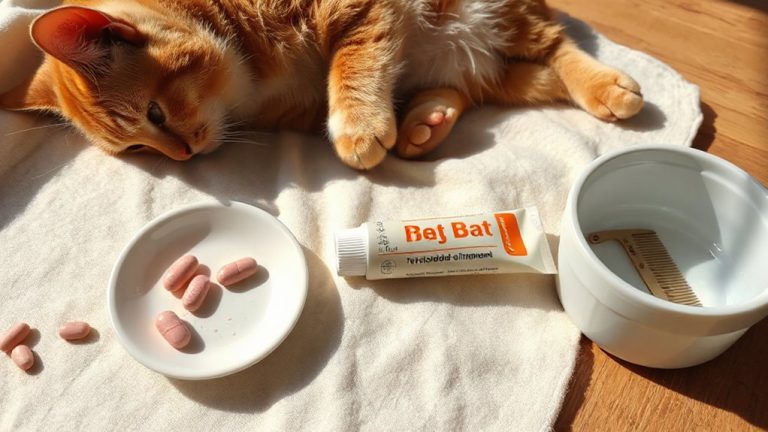
Managing Parasites in Exotic Pets: A Comprehensive Guide for Owners
You must treat parasites in exotic pets with species-specific antiparasitics-dog and cat dewormers can be fatal. Ivermectin works for birds at 0.2–0.4 mg/kg, given in one or two doses. Fenbendazole treats reptiles at 100 mg/kg for 5–7 days, repeated after 10–14 days. Use fecal flotation with centrifugation at 1,500 rpm for accurate diagnosis. Perform fecal tests every 6 months and clean enclosures daily. A consistent prevention plan greatly reduces risk. There’s more to contemplate when tailoring care to your pet’s biology.
Notable Insights
- Identify parasites early through signs like weight loss, diarrhea, fur loss, or visible ticks and eggs in feces.
- Confirm infestations with veterinary diagnostics such as fecal flotation and microscopic examination of fresh stool samples.
- Treat based on species: use fenbendazole for reptiles, ivermectin for birds, and selamectin for small mammals.
- Follow full treatment courses and never use dog or cat dewormers due to toxicity risks in exotic pets.
- Prevent infestations with daily cleaning, monthly antiparasitic treatments, and biannual fecal exams.
What Parasites Commonly Infect Exotic Pets
Parasites pose a serious health risk to exotic pets, and knowing which ones are most common is the first step in effective prevention and treatment. Internal parasites, such as roundworms, coccidia, and flagellates, infect the gastrointestinal tract and are often species-specific. They reproduce through oocysts or eggs shed in feces, requiring microscopic examination for diagnosis. Common in reptiles and small mammals, these organisms disrupt nutrient absorption and cause debilitation over time. External parasites, including mites and ticks, latch onto skin or scales, feeding on blood and potentially transmitting pathogens. Mites like *Ophionyssus natricis* in snakes thrive in high-humidity environments, completing lifecycles in as little as seven days. These arthropods cause irritation, scale damage, and secondary infections. Both internal parasites and external parasites require targeted interventions-anthelmintics for worms, acaricides for mites-and strict hygiene protocols. Proper quarantine and routine screenings minimize infestation risks. Dog dewormers often contain active ingredients effective against multiple parasite types, which underscores the importance of using species-appropriate formulations in exotic pets.
Signs Your Exotic Pet Has Parasites
A sudden change in your exotic pet’s appearance or behavior often signals an underlying parasitic infection. You may notice fur loss, especially in patches, which can indicate mite or lice infestation. The affected areas often appear red, inflamed, or scaly. Weight loss is another key sign, even if your pet’s appetite seems normal. This occurs because internal parasites like nematodes or coccidia steal nutrients in the digestive tract. Lethargy, diarrhea, or visible eggs in feces further support this suspicion. Some parasites, such as ticks, are visible to the naked eye and measure 1–3 mm when embedded. Protozoan infections progress rapidly, so early detection is critical. Monitor your pet daily for changes in grooming, activity, or droppings. These symptoms aren’t normal variations-they’re clinical indicators. Prompt recognition of fur loss and weight loss improves treatment outcomes markedly.
How Vets Diagnose Parasites in Exotic Pets
How do vets pinpoint parasites when your exotic pet seems off? They start with a physical examination, checking for weight loss, dehydration, and visible signs like skin irritation or anal sac dragging. Your pet’s coat condition and behavior offer early clues. Next, vets rely on fecal flotation to detect internal parasites. You’ll need to collect a fresh stool sample-ideally within 12 hours-using a clean, sealed container. In the lab, the sample is mixed with a special solution that causes parasite eggs to float. After centrifugation at 1,500 rpm for 5 minutes, the surface film is transferred to a microscope slide. Technicians examine it under 100x to 400x magnification, identifying eggs by shape, size, and internal structure. Fecal flotation detects common offenders like roundworms, coccidia, and giardia. Accurate diagnosis depends on proper sample handling and timely processing.
Treating Parasites in Exotic Pets: What to Expect
What happens once your exotic pet’s parasite is identified? Your vet will prescribe a targeted treatment based on species, parasite type, and health status. Treatment duration varies-from a few days to several weeks-depending on the parasite’s life cycle and severity. Always complete the full course to prevent resistance.
| Pet Type | Common Medication | Typical Treatment Duration |
|---|---|---|
| Reptiles | Fenbendazole | 5–7 days, repeated in 10-14 days |
| Birds | Ivermectin | 1–2 doses, 7–10 days apart |
| Small Mammals | Selamectin | Single dose, repeated in 14 days |
Watch closely for medication side effects like lethargy, appetite loss, or vomiting. Some species, like chinchillas, are highly sensitive. Adjustments may be needed. Administer doses precisely by weight. Never use dog or cat products-dosing differs markedly. Follow-up tests may be required to confirm eradication.
Daily Habits to Keep Exotic Pets Parasite-Free
Regularly maintaining clean living conditions drastically reduces parasite risks for your exotic pet. Daily removal of feces, uneaten food, and shed skin prevents pathogen accumulation. Spot-clean enclosures every 24 hours; fully disinfect monthly using veterinary-approved agents like dilute chlorhexidine (0.05%) or F10SC at 1:250 dilution. Hygiene practices must include handwashing with antimicrobial soap before and after handling. Use dedicated tools-brushes, sponges-for each habitat to avoid cross-contamination. Diet management plays a critical role: provide fresh, species-appropriate food without overfeeding. Remove perishable items within four hours to deter insect vectors. Store dry food in sealed, rodent-proof containers at 40–70°F and 30–50% humidity to inhibit mite growth. Guarantee water is changed daily and bowls are scrubbed with a 3% vinegar solution. These protocols minimize organic buildup that harbors parasites. Consistent hygiene practices and precise diet management form the foundation of preventive care.
When Your Exotic Pet Needs a Parasite Checkup
Why wait until your exotic pet shows signs of distress before checking for parasites? Early detection prevents severe health complications. Noticeable behavior changes-like lethargy, irritability, or aggression-often signal infestation. You should also monitor feeding patterns; reduced appetite, weight loss, or abrupt disinterest in food are red flags. Some parasites, like nematodes or coccidia, disrupt nutrient absorption even when symptoms seem mild. A fecal float test, conducted every 6 months, identifies ova and parasites with 92% accuracy when using centrifugation at 1,500 rpm for 5 minutes. Include a direct smear to detect motile organisms. For reptiles, examine skin scrapings for mites under 10x magnification. Birds benefit from trichrome-stained slides to identify protozoa. These diagnostics require minimal sample volume-0.5 grams of feces or a 1 cm skin section. Regular screenings catch infestations early, when treatment efficacy exceeds 85%.
Why Preventing Parasites Saves Your Pet’s Life
Though parasites often remain hidden until damage is done, stopping them before they take hold dramatically increases your pet’s chances of long-term health. Parasites like nematodes, cestodes, and protozoa exploit weakened systems, leading to malnutrition, organ strain, and eventual immune collapse. Once established, they reproduce rapidly-some mites lay up to 30 eggs per cycle-overwhelming your pet’s defenses. Early prevention disrupts this cycle, reducing exposure and building parasite resistance through consistent treatment. Routine use of species-specific antiparasitics, such as ivermectin at 0.2 mg/kg or fenbendazole at 50 mg/kg for 3–5 days, inhibits infestation before clinical signs appear. Without prevention, chronic stress on the immune system can trigger irreversible decline. Monthly topical or oral treatments, combined with fecal exams every 3–6 months, provide measurable protection. Preventing parasites isn’t just care-it’s critical intervention that preserves physiological balance and extends lifespan.
On a final note
You must stay vigilant against parasites in exotic pets. Regular fecal exams every 6 months detect infections early. Use species-specific anthelmintics like fenbendazole at 50 mg/kg orally for nematodes. Maintain clean habitats with daily waste removal. Disinfect cages weekly using 1:30 bleach solution. Provide fresh, uncontaminated food and water. Preventative care reduces mortality by up to 80%. Early treatment guarantees your pet’s long-term health and prevents zoonotic transmission.