Parasite Prevention 101: Protecting Your Exotic Pets From External Parasites
You must act fast to protect your exotic pet from external parasites like mites, ticks, and lice. These pests exploit weak immunity and cause rapid decline. Regular inspections reveal moving specks, skin crusting, or feather loss. Use species-specific antiparasitics by weight-never guess dosages. Clean habitats daily with F10SC or 1:32 bleach. Apply food-grade diatomaceous earth externally only. Mistake-resistant protocols start with prevention. The safest plans combine veterinary screenings every 3–6 months with UVB lighting and balanced nutrition. Immediate action hinges on knowing when symptoms turn critical-and what comes next.
Notable Insights
- Perform routine veterinary checkups and fecal exams every 3–6 months to detect parasites early.
- Use species-specific, weight-based antiparasitic treatments to ensure safety and effectiveness.
- Maintain strict sanitation with weekly disinfection and substrate changes every 4–6 weeks.
- Provide balanced nutrition and proper UVB lighting to support immune function in exotic pets.
- Quarantine new animals and avoid internal use of substances like diatomaceous earth to prevent infestations.
Common External Parasites in Exotic Pets
Mites, ticks, and lice top the list of external parasites affecting exotic pets. These ectoparasites latch onto hosts like reptiles, birds, and small mammals, feeding on blood or skin debris. Tick bites are not only painful but can transmit pathogens such as *Rickettsia* or *Babesia*, leading to systemic illness. Ticks like *Amblyomma* species embed firmly using barbed mouthparts, remaining attached for days. Mites, including *Knemidocoptes* in birds, burrow into skin, causing crusting and irritation. Lice, host-specific and wingless, lay eggs (nits) on feathers or fur. Fly attraction increases in unclean habitats-flies like *Lucilia sericata* are drawn to lesions from parasite damage, potentially causing myiasis. Prevent infestations by maintaining hygiene and inspecting pets weekly. Use species-appropriate acaricides with active ingredients like ivermectin or selamectin, following dosage by weight. Quarantine new animals for 30–45 days to reduce parasite spread. Effective topical protection can be achieved with flea and tick sprays for cats, though formulations must be carefully selected to suit exotic species and avoid toxicity.
Early Signs of Parasite Infestation in Reptiles, Birds & Small Mammals
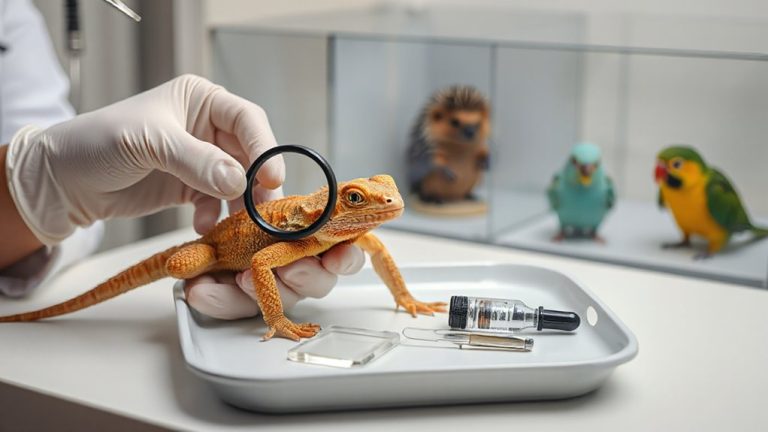
How do you spot the early warning signs of a parasite infestation before it escalates? Look for persistent skin irritation, such as redness, flaking, or visible biting wounds, particularly around the legs, vent, or underbelly. Mites in reptiles often congregate near the eyes or scales, appearing as moving specks 0.5–1 mm in size. Birds may pluck feathers due to discomfort, revealing inflamed skin. Lethargy signs include reduced movement, delayed response to stimuli, and lower than normal body temperature-reptiles may remain inactive for over 24 hours. Small mammals exhibit dull coats, excessive scratching, or hunched postures. Respiratory distress or weight loss over 10% in one week signals advanced infestation. Check the enclosure corners and substrate for black or red specks-mite feces or shed skins. Early visual and behavioral monitoring, especially during feeding or handling, improves detection. Use a 10x magnifier to confirm tiny parasites. Daily observation increases intervention accuracy.
How Prevention Outranks Treatment for Exotic Pets
While treatment can address existing infestations, prevention remains the most effective strategy for maintaining the health of your exotic pet. Preventive care reduces stress, avoids complications, and supports overall wellness more efficiently than reactive measures. A consistent routine with proper nutrition balance and immune support enhances your pet’s natural defenses. Early interventions stop parasites before they establish, preserving long-term health.
| Factor | Prevention | Treatment |
|---|---|---|
| Stress Level | Low | High |
| Cost Over Time | Lower | Higher |
| Immune Support | Proactive | Reactive |
| Nutrition Balance | Maintained | Often disrupted |
Prevention limits exposure, sustains physiological stability, and optimizes recovery potential. It aligns with veterinary best practices and improves prognosis. You’ll avoid drug resistance risks and secondary infections common during treatment. Protecting your pet before infestation occurs guarantees better outcomes than managing damage after the fact.
5 Proven Ways to Prevent Exotic Pet Parasites
Keeping your exotic pet free from parasites starts with a proactive approach that prioritizes consistent, science-backed routines. Regular veterinary screenings and fec Critical exams every 3–6 months detect infestations early. Use species-specific antiparasitics as directed, ensuring correct dosage based on weight and metabolism. Natural remedies like food-grade diatomaceous earth can reduce external parasites when applied externally in controlled amounts-never internally. Dietary support strengthens immunity; provide balanced diets rich in vitamins A, E, and B-complex. For reptiles, UVB lighting (2%–5% output bulbs) aids immune function. Rotate bedding types monthly to disrupt parasite life cycles. Quarantine new animals for at least 30 days before integration. Avoid overcrowding-maintain stocking densities below 1 animal per 2 square feet, depending on species. Preventive protocols combining veterinary care, proper hygiene, natural remedies, and dietary support reduce parasite risks markedly.
Keep Habitats Clean: Stop Parasites at the Source
Since parasites thrive in warm, moist environments with organic debris, your exotic pet’s habitat must be cleaned routinely to remove waste, spilled food, and shed skin that serve as breeding grounds. Daily spot-cleaning prevents accumulation of organic material. Perform complete habitat disinfection weekly using a veterinary-approved, non-toxic disinfectant like F10SC or diluted bleach (1:32 bleach-to-water ratio); rinse thoroughly and air-dry. Replace porous decor if damaged or hard to sanitize. Substrate rotation is essential-rotate between paper-based, aspen, or reptile carpet every 4–6 weeks to disrupt parasite life cycles. For desert species, use dry substrates; for tropical species, maintain proper ventilation to reduce moisture retention. Monitor humidity levels-keep between 30–60%, depending on species. Use digital hygrometers for accuracy. Clean filters and misting systems biweekly. A clean habitat isn’t just tidy-it’s a functional barrier against infestation. Prevention starts where your pet lives. Provide chinchillas with regular dust bath containers to maintain coat health and reduce the risk of skin parasites.
When to Call the Vet for Parasite Emergencies
How quickly should you act when something seems off with your exotic pet? Immediately. Delaying care can turn manageable issues into life-threatening emergencies. If you notice severe anemia-pale mucous membranes, lethargy, rapid breathing-your pet is losing oxygen-carrying capacity fast. This often results from heavy parasite infestations like mites or fleas feeding continuously on blood. Neurological symptoms such as tremors, circling, paralysis, or seizures indicate possible neurotoxins or central nervous system involvement. These signs suggest advanced infestation or secondary infection. Your pet’s small size means toxins and blood loss escalate quickly. Unlike larger animals, exotic pets have minimal physiological reserves. Even a 10% blood loss in a 500-gram rodent can be fatal. Do not wait. Contact your exotic veterinarian the moment you see these signs. Early intervention improves prognosis markedly. Immediate professional assessment is critical.
Species-Safe Treatments for Mites, Lice & Fleas
Why treat mites, lice, or fleas with products labeled for dogs or cats when those can poison your exotic pet? Stick to species-specific treatments to guarantee safety and efficacy. Always follow species specific dosing-too much can harm, too little won’t work. Treatment rotation prevents resistance, especially in chronic cases. Use only vet-approved topical or environmental solutions designed for your pet’s taxonomy.
| Parasite Type | Approved Treatment Interval |
|---|---|
| Mites | Ivermectin q14d x3 rounds |
| Lice | Topical selamectin monthly |
| Fleas | Spinosad, single dose, repeat in 30 days |
Monitor closely for recurrence. Adjust treatment rotation based on response and species metabolism. Never mix products unless directed. Environmental decontamination supports treatment success. Read labels for active ingredients and concentrations. Your exotic pet’s unique physiology demands precision-generic solutions risk fatal outcomes.
On a final note
You must prioritize parasite prevention to safeguard your exotic pet’s health. Early intervention stops infestations before they escalate. Regular habitat sanitation-cleaning substrates, disinfecting surfaces weekly with veterinary-approved agents-eliminates egg reservoirs. Use species-specific miticides only under veterinary guidance. Monitor for pruritus, feather loss, or skin lesions. Preventive care reduces treatment costs by up to 60% compared to reactive protocols. Prevention is always more effective than cure.