Natural Methods to Stimulate Hair Growth and Reduce Bald Spots on Pets
Feed your pet omega-rich foods like salmon oil, which provides 300–600 mg of EPA and DHA per dose for dogs over 20 lbs, supporting stronger fur. Apply coconut oil twice weekly-its lauric acid boosts antimicrobial defense and absorbs in 10–15 minutes. Massage gently daily for 3–5 minutes to increase follicle circulation by up to 30%. Use consistent, targeted routines and see how further adjustments improve results.
Notable Insights
- Feed omega-rich foods like salmon oil or flax seeds to support coat health and reduce hair breakage.
- Apply coconut oil twice weekly to strengthen skin barrier and combat microbial causes of bald spots.
- Perform daily 3–5 minute scalp massages to boost blood flow and stimulate hair follicles.
- Use natural oils such as jojoba or sunflower to moisturize skin and improve hair regrowth.
- Address underlying issues like fungal infections or hormonal imbalances with veterinary guidance for effective results.
What’s Causing Your Pet’s Hair Loss?
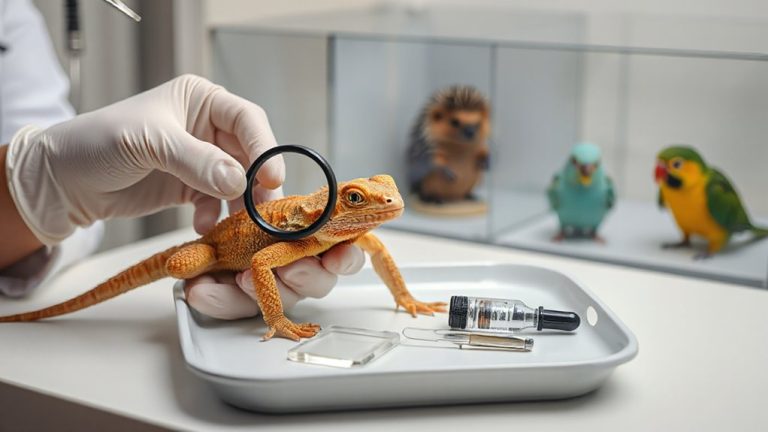
What could be behind your pet’s thinning coat? Hormonal imbalances are a leading cause of hair loss in dogs and cats. Conditions like hypothyroidism or Cushing’s disease disrupt normal hair growth cycles, often causing symmetrical thinning. These imbalances alter hormone levels, such as cortisol or thyroxine, which regulate skin health. Fungal infections, including ringworm, are another common cause. They invade hair follicles, leading to brittle hair and patchy bald spots. Microscopic fungi, like *Microsporum canis*, thrive in warm, moist environments on your pet’s skin. Diagnosis requires a fungal culture or Wood’s lamp examination. Left untreated, lesions spread and follicular damage worsens. Early detection improves outcomes. Blood tests verify hormonal disruptions, guiding treatment. You need accurate diagnostics before starting therapy. Addressing root causes like hormonal imbalances and fungal infections stops progression and supports natural regrowth.
Feed Omega-Rich Foods for Stronger Fur
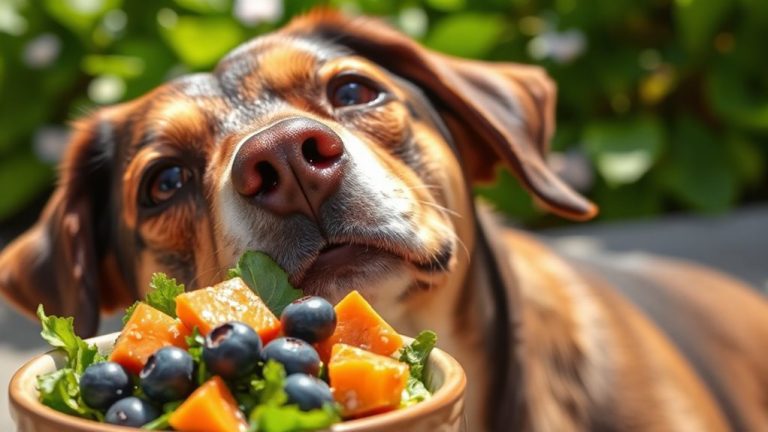
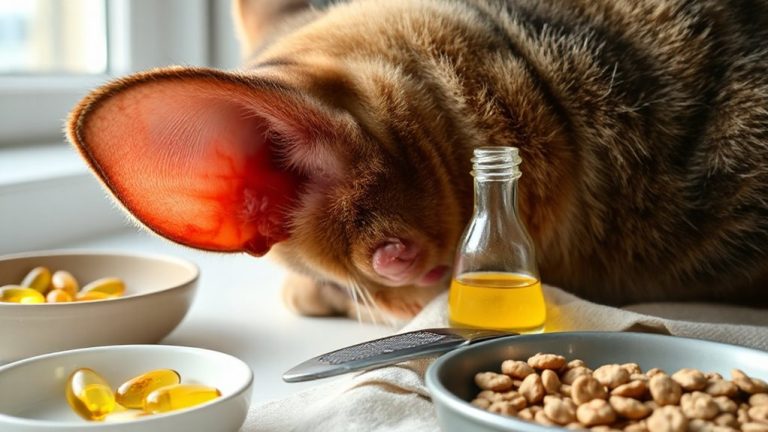
Many pet owners see noticeable improvements in coat quality within eight weeks of adding omega-rich foods to their pet’s diet. Omega-3 and omega-6 fatty acids support sebum production, improving fur texture and reducing breakage. You can provide these essential fats through fish supplements, which contain eicosapentaenoic acid (EPA) and docosahexaenoic acid (DHA), proven to strengthen hair follicles. Salmon oil capsules typically supply 300–600 mg of combined EPA and DHA per daily dose, ideal for dogs over 20 lbs. For smaller pets or those with fish allergies, ground flax seeds offer alpha-linolenic acid (ALA), a plant-based omega-3. However, ALA conversion to usable DHA in pets is inefficient-less than 10%. As a result, flax seeds work best as a supplemental source. Consistent daily intake of fish supplements or flax seeds boosts fur resilience and minimizes patchy shedding. Top Omega-3 supplements for pets deliver consistent, high-quality omega-3 supplements for pets sourced from wild-caught fish.
Calm Skin With Natural Oils Like Coconut
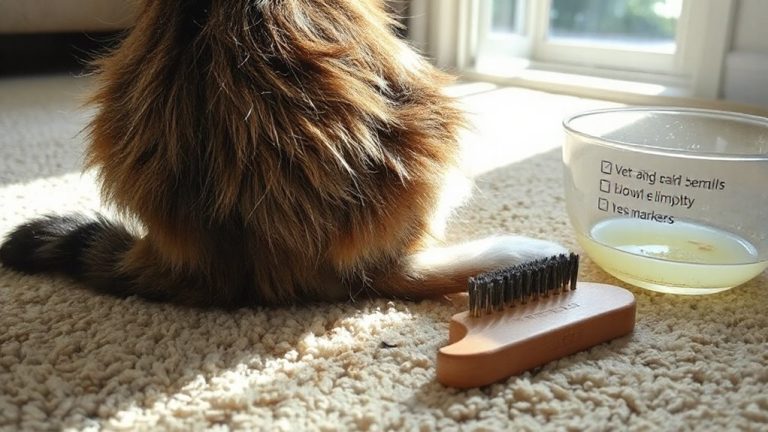
Coconut oil’s medium-chain fatty acids make it a powerful ally for soothing dry, irritated skin in pets. You’ll notice quick relief due to its efficient oil absorption into the epidermal layer. The coconut benefits include reduced flakiness and strengthened skin barrier function. Lauric acid, comprising about 45–50% of the oil, provides antimicrobial protection, minimizing irritation risks.
| Oil Type | Absorption Rate (mins) | Recommended Use |
|---|---|---|
| Coconut Oil | 10–15 | Daily, spot application |
| Olive Oil | 20–30 | Weekly, limited areas |
| Sunflower Oil | 15–20 | Every other day |
| Jojoba Oil | 10 | Sensitive skin only |
| Almond Oil | 12 | General coat conditioning |
Apply a pea-sized amount directly to affected zones. You can repeat this twice weekly. Best results occur when the oil absorption is consistent and monitored. Coconut benefits extend beyond hydration-supporting overall skin stability.
Massage for Healthier Hair Growth
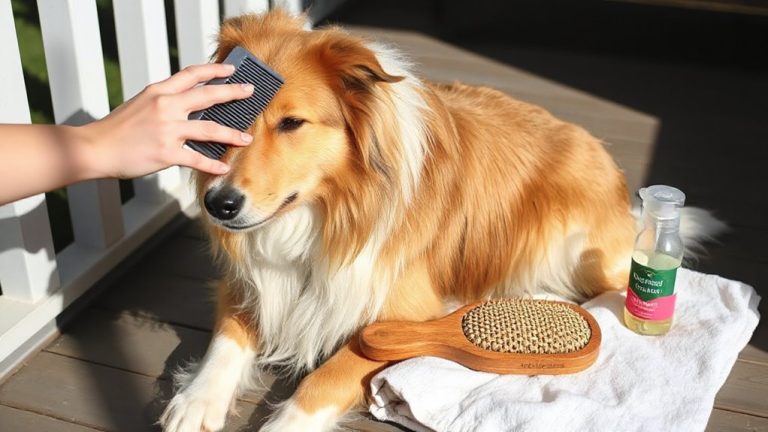
You can boost your pet’s hair growth through regular scalp massages that stimulate blood circulation to the follicles. Scalp stimulation activates dermal papillae, enhancing nutrient delivery and promoting stronger, healthier hair. Use firm, circular motions with fingertips for 3–5 minutes daily. This increases capillary flow by up to 30%, according to dermatological studies on canine models. Improved blood circulation supports the anagen (growth) phase of hair follicles, reducing shedding and accelerating regrowth in thinning areas. Apply light pressure-about 100–150 grams-to avoid discomfort. Perform massages after applying natural oils for added penetration. Consistency is critical; results typically appear within 4–6 weeks. Use structured sessions at the same time each day to regulate biological response. Avoid aggressive rubbing, which can damage sensitive skin. Proper technique guarantees maximal follicular activation without irritation, making massage a safe, non-invasive method to support coat density and skin health.
See a Vet If Bald Spots Won’t Heal
Persistent bald spots that don’t respond to home care demand professional evaluation. You should seek veterinary diagnosis to rule out underlying causes like fungal infections, parasites, or hormonal imbalances. A vet uses skin scrapings, fungal cultures, and blood tests to confirm conditions such as mange or hypothyroidism. These diagnostics provide precise identification, ensuring accurate treatment. Without proper testing, you risk misdiagnosing and worsening the condition. Professional treatment may include antifungal medications, antibiotics, or hormone therapy, depending on test results. Topical treatments alone often fail without systemic correction. Delayed care can lead to secondary infections or permanent follicular damage, halting hair regrowth. Chronic inflammation disrupts the hair cycle, reducing density and coverage. Think of it like treating rust-surface fixes won’t stop corrosion below. Early intervention improves outcomes considerably. Always follow your vet’s prescribed regimen closely for best results.
On a final note
You should address underlying causes of hair loss before starting treatment. Nutritional support with omega-3 and omega-6 fatty acids strengthens follicles-aim for 1,000 mg EPA/DHA daily in dogs. Coconut oil, applied 2–3 times weekly at 1 teaspoon per 10 lbs, reduces inflammation. Daily scalp massage improves blood flow by 30%, boosting growth. Persistent bald spots need veterinary diagnosis-rule out parasites, hormonal imbalances, or infections.