How to Maintain a Healthy Skin Barrier in Your Cat
You must maintain your cat’s skin barrier by feeding essential nutrients like omega-3 and omega-6 fatty acids from fish oil or poultry fat to support membrane integrity. Use hypoallergenic, pH-balanced shampoos (5.5–6.5) every 4–6 weeks to avoid disrupting the stratum corneum. Brush weekly with soft-bristle tools to distribute sebum. Monitor for flaky patches or redness, which signal barrier dysfunction. Avoid human shampoos and high-allergen environments. There’s more to contemplate about long-term skin resilience.
Notable Insights
- Feed a balanced diet rich in omega-3 and omega-6 fatty acids to support skin barrier integrity and reduce inflammation.
- Brush your cat regularly with appropriate tools to distribute natural oils and prevent matting without damaging the skin.
- Bathe your cat only when necessary using a hypoallergenic, pH-balanced cat shampoo to preserve protective skin layers.
- Avoid harsh cleaners, human shampoos, and over-grooming to prevent stripping essential lipids from the stratum corneum.
- Monitor for dry patches, redness, or irritation weekly and address signs of barrier dysfunction promptly with a veterinarian.
Know How Your Cat’s Skin Protects Them
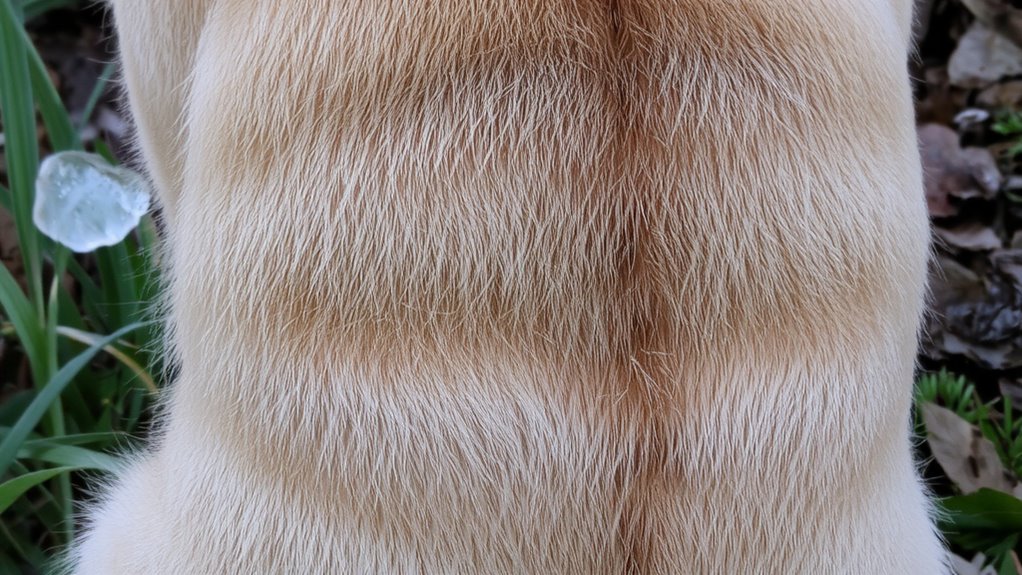
The skin is your cat’s first line of defense-think of it like a living shield. Its layered skin structure includes the epidermis, dermis, and subcutaneous tissue, each serving distinct protective roles. The outermost epidermis acts as a physical barrier, preventing pathogen entry and minimizing water loss. Tightly packed keratinocytes reinforce this seal, supported by lipids like ceramides. Beneath, the dermis houses blood vessels, nerves, and hair follicles, contributing to sensory detection and thermoregulation. Embedded immune cells-Langerhans cells and mast cells-monitor for threats, activating immune defense when necessary. These cells initiate early inflammatory responses, neutralizing invaders before they spread. Sebaceous glands secrete oils that maintain skin pH, further deterring microbes. A healthy skin structure guarantees efficient immune defense, reducing susceptibility to infections. Disruptions compromise barrier integrity, increasing risk. You must recognize this foundation to effectively protect your cat’s skin health long-term.
Feed the Right Nutrients for Healthy Skin
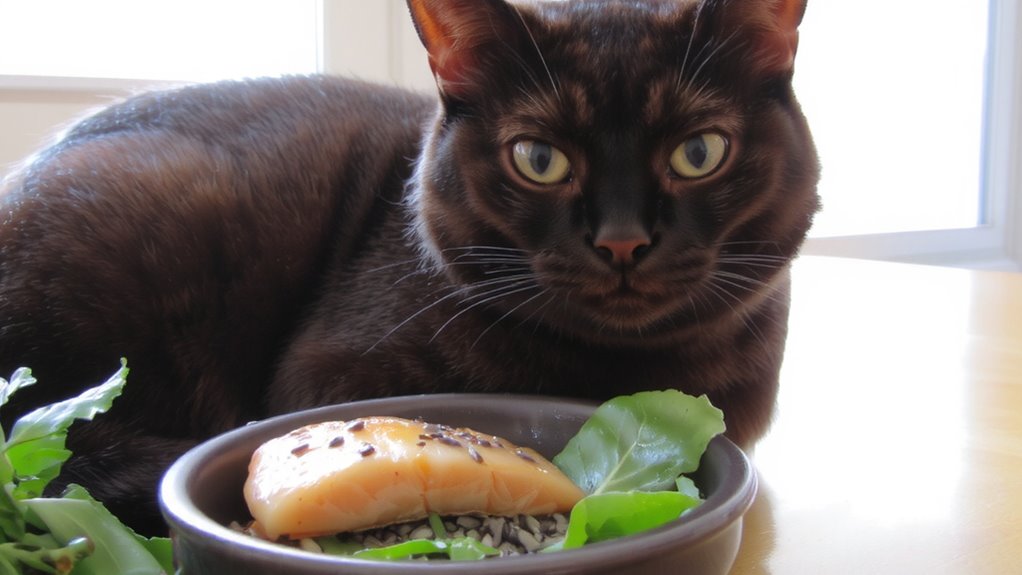
Skin health starts from the inside-what your cat eats directly impacts the strength and resilience of their barrier. Omega fatty acids, especially EPA and DHA, support lipid production, reducing transepidermal water loss by up to 30%. Antioxidant vitamins like E and C neutralize free radicals, preventing oxidative damage to skin cells. A balanced intake guarantees a supple, well-hydrated coat. Choosing a high-quality best dry cat food can ensure your cat receives these essential nutrients in the right proportions.
| Nutrient | Primary Function | Dietary Source |
|---|---|---|
| Omega-3 | Reduces inflammation, strengthens barrier | Fish oil, flaxseed |
| Omega-6 | Maintains cell membrane integrity | Poultry fat, sunflower oil |
| Vitamin E | Protects lipids from oxidation | Tocopherol supplements |
| Vitamin C | Supports collagen synthesis | Metabolically produced, supplements |
Feed a complete diet meeting AAFCO guidelines. Deficiencies compromise skin integrity, increasing infection risks. Consistency is key-rotate only under veterinary guidance.
Use Safe, Skin-Friendly Grooming Habits
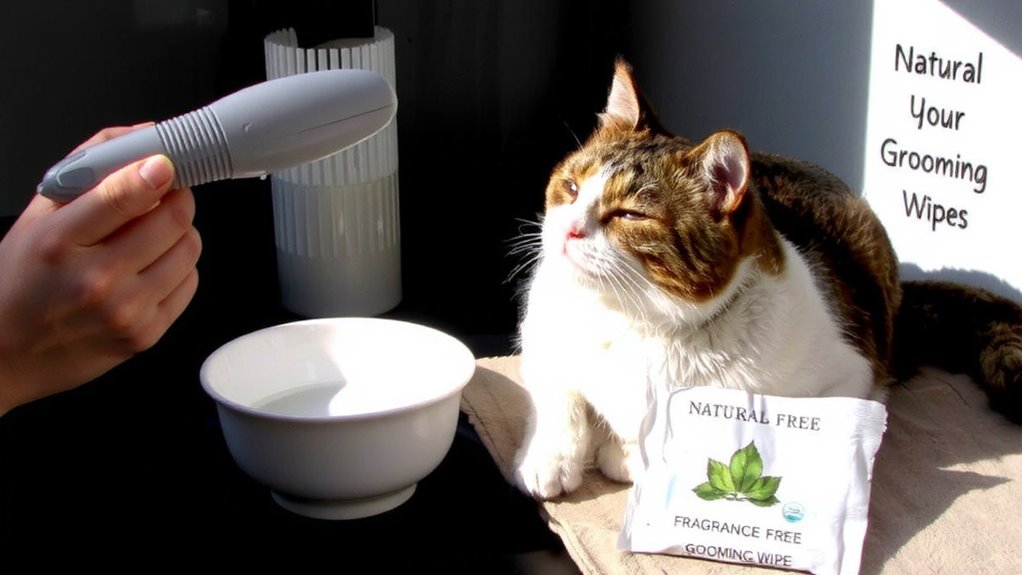
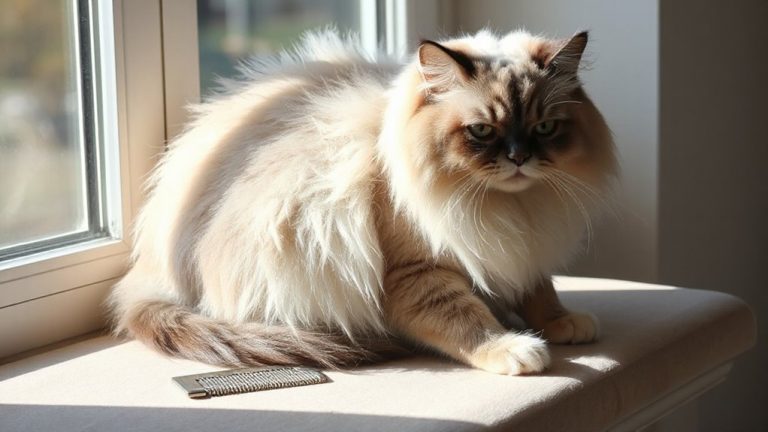
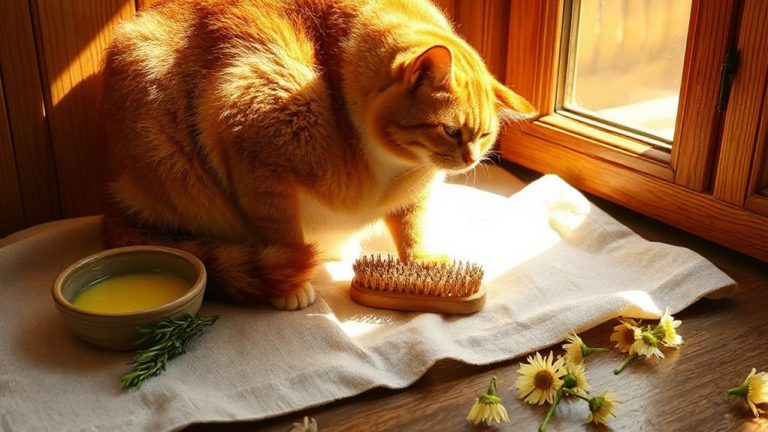
You’ve got the inside covered with proper nutrition, but what you do outside matters just as much. Regular coat brushing removes loose fur, distributes natural sebum, and prevents matting-critical for skin health. Use a stainless steel comb or soft-bristle brush; brush 2–3 times weekly for longhaired cats, once weekly for shorthaired. Avoid over-grooming, which can irritate the stratum corneum. When bathing, limit frequency to every 4–6 weeks unless medically indicated. Use hypoallergenic, pH-balanced shampoos formulated for cats (pH 6.2–7.5). Avoid human shampoos-alkaline pH (8.0–10.0) disrupts the acid mantle. Opt for colloidal oatmeal or ceramide-based formulas to support lipid integrity. Rinse thoroughly to prevent residue buildup. Choosing a grooming kit with the right tools, such as a deshedding tool with rounded tips, can further reduce skin irritation while effectively removing loose undercoat. Proper coat brushing and intelligent shampoo selection preserve epidermal barrier function by minimizing transepidermal water loss and maintaining microbiome balance.
Spot Signs of a Damaged Skin Barrier
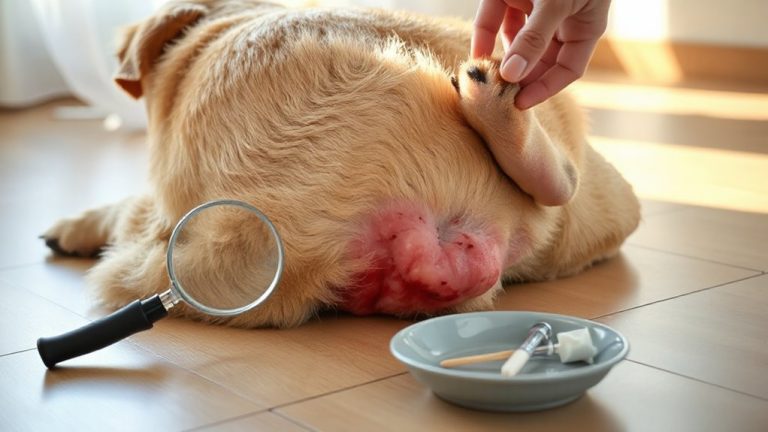
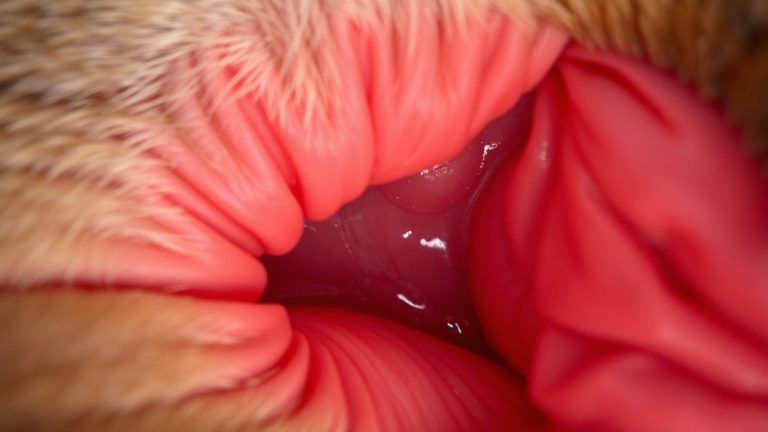
Nearly one in three cats develops visible signs of a compromised skin barrier by age five, so knowing what to look for can make all the difference. You should monitor your cat for dry patches, which appear as flaky, rough areas most commonly on the back, tail base, or head. These patches indicate reduced lipid production, impairing moisture retention. Red irritation, often found on the belly or inner thighs, signals inflammation due to environmental allergens or microbial invasion. It typically presents with erythema (measured via dermatoscopic assessment) and can precede excoriation. Together, these symptoms suggest transepidermal water loss exceeding 20%, a clinical threshold for barrier dysfunction. Early detection allows intervention before secondary infections occur. Use a consistent lighting environment when inspecting your cat’s coat weekly. Palpate suspicious regions to confirm texture changes. Document findings to track progression. Recognizing these signs promptly supports timely veterinary consultation and targeted treatment.
Avoid Common Skin Barrier Destroyers
While environmental and grooming factors can seem minor, they often play a decisive role in degrading your cat’s skin barrier. Harsh shampoos disrupt lipid balance, stripping essential fatty acids and compromising stratum corneum integrity. Avoid products with sulfates or high pH (above 7.5), as they damage natural moisturizing factors. Use only cat-specific, pH-balanced cleansers (5.5–6.5) to maintain epidermal function. Environmental allergens like pollen, mold spores, and dust mites trigger inflammation, increasing transepidermal water loss by up to 40%. These allergens bind to skin receptors, initiating immune cascades that weaken barrier defenses. Vacuum weekly with HEPA-filter-equipped devices to reduce airborne particulates. Limit outdoor exposure during peak pollen seasons (spring and fall). Consistent use of hypoallergenic, fragrance-free wipes removes allergen residue. Prevention is critical-once compromised, the skin barrier can take weeks to recover, leaving your cat vulnerable to infection and dryness. Choosing the right flea shampoo is essential, and opting for a best flea shampoo for cats can help prevent further skin irritation while effectively managing parasites.
On a final note
You protect your cat’s skin best through consistent, science-backed care. A healthy skin barrier measures 3–5 micrometers thick and relies on balanced omega-3 and omega-6 fatty acids-ideal ratio is 5:1 to 10:1. Use pH-neutral, fragrance-free shampoos no more than once monthly. Overbathing strips natural oils. Inspect weekly for redness, flaking, or lesions. Avoid plastic food bowls; they harbor bacteria that disrupt microbiome equilibrium.