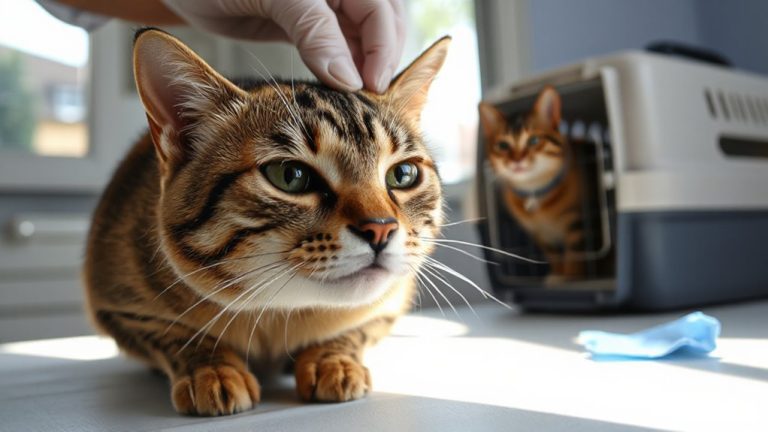
Why Chronic Vomiting in Cats Should Never Be Dismissed as “Normal Hairball Behavior”
Vomiting more than once a week isn’t normal and isn’t just hairballs. Hairballs usually happen less than monthly and don’t cause weight loss or lethargy. Chronic vomiting may signal serious issues like intestinal blockages, parasites, or inflammatory bowel disease. Yellow vomit suggests bile from an empty stomach; white foam indicates irritation. Persistent symptoms require bloodwork, fecal tests, or ultrasound. Early intervention prevents complications-you’ll learn how to recognize key warning signs next.
Notable Insights
- Chronic vomiting more than once a week is abnormal and should not be mistaken for routine hairball expulsion.
- Hairballs typically occur less than monthly and lack accompanying symptoms like weight loss or lethargy.
- Persistent vomiting may signal serious conditions such as intestinal blockage, kidney disease, or lymphoma.
- Vomit containing bile, blood, or mucus instead of tubular hair suggests underlying illness, not hairballs.
- Early diagnosis through vet evaluation, blood tests, and imaging can prevent life-threatening complications.
When Cat Vomiting Is More Than Just Hairballs
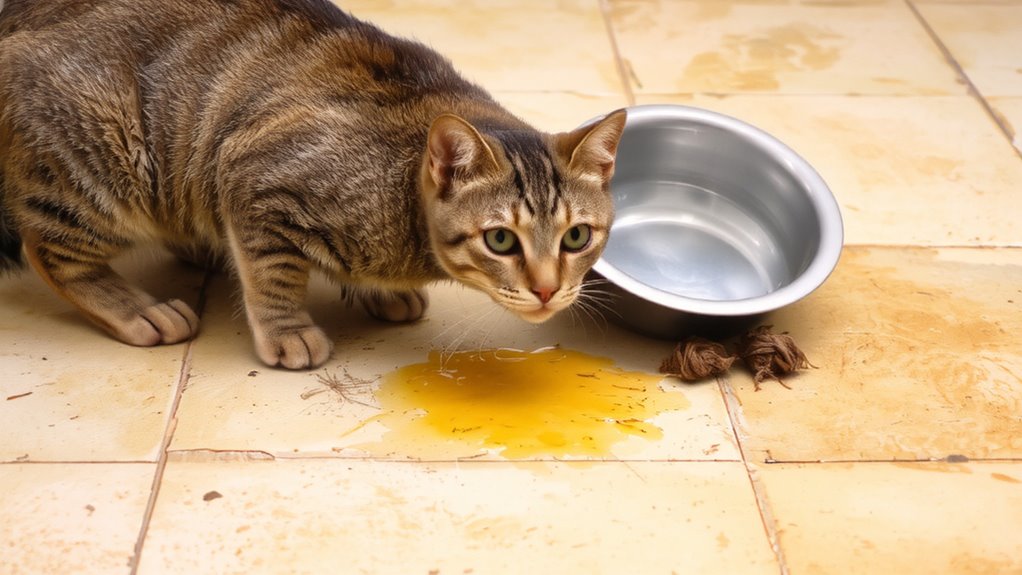
Why does your cat keep vomiting-especially if it’s happening more than once a week? This frequency isn’t normal and suggests an issue beyond hairballs. Occasional vomiting may be benign, but recurrent episodes can signal serious conditions like gastric reflux or intestinal blockage. Gastric reflux occurs when stomach acid flows back into the esophagus, irritating the lining and triggering vomiting. It often happens on an empty stomach and may include yellowish bile. Intestinal blockage, by contrast, is a mechanical obstruction that prevents normal digestion. It can result from ingested foreign objects or tumors. Symptoms include persistent vomiting, lethargy, and absence of feces. Unlike hairball-related vomit, which contains tubular-shaped hair, vomit from blockages may include undigested food or mucus. Immediate veterinary evaluation is essential. Diagnostic imaging and blood work help confirm these conditions. Delaying care risks perforation or systemic complications.
Common Causes of Chronic Cat Vomiting
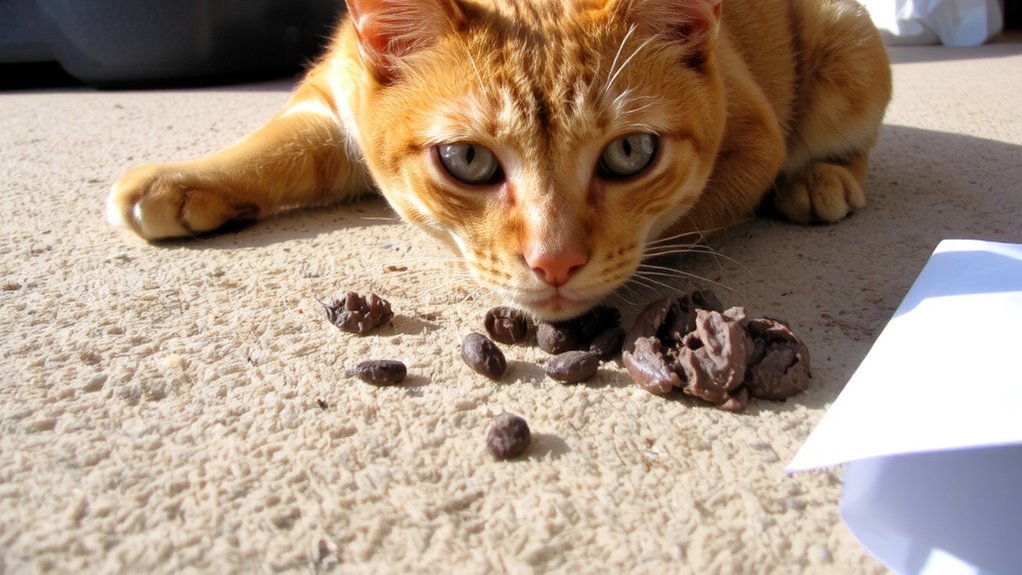
A range of underlying medical conditions can drive persistent vomiting in cats, far beyond the occasional hairball. Intestinal parasites like roundworms, hookworms, and Giardia disrupt normal gut function, leading to chronic nausea and vomiting. These organisms damage the intestinal lining, impairing nutrient absorption. Your cat may require fecal testing to detect them. Food allergies are another common cause-proteins in beef, chicken, or fish trigger immune responses that inflame the digestive tract. Elimination diets lasting 8–12 weeks help identify specific allergens. Conditions like inflammatory bowel disease or intestinal lymphoma may mimic these causes. Diagnostic imaging and biopsies distinguish structural from functional issues. Persistent vomiting lasting more than two weeks isn’t normal. Left untreated, it can lead to dehydration, weight loss, and electrolyte imbalances. Addressing root causes early improves long-term outcomes, enhancing your cat’s health and comfort.
Early Warning Signs of Chronic Cat Vomiting
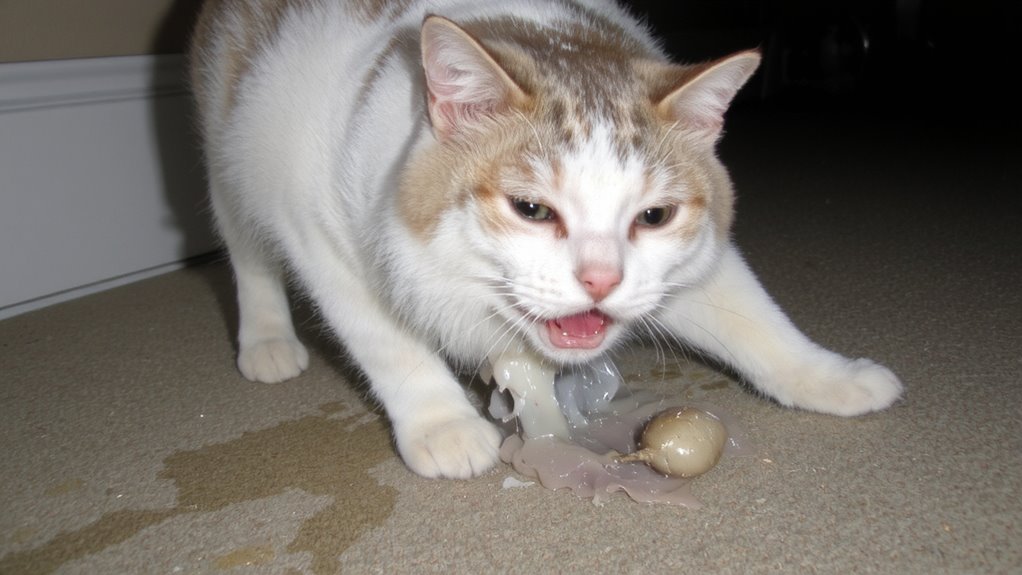
You might notice your cat vomiting once in a while, but when it happens regularly, it’s a signal something deeper could be going on. Chronic vomiting, defined as vomiting occurring more than once a week for several weeks, often accompanies weight loss due to reduced nutrient absorption. Lethargy may also develop, reflecting systemic illness rather than isolated gastrointestinal upset. These symptoms differ from occasional hairball expulsion, which typically occurs less than monthly and lacks accompanying clinical signs. Persistent vomiting can lead to dehydration, evidenced by skin tenting exceeding two seconds. Weight loss exceeding 10% of body mass over six weeks demands diagnostic evaluation. Lethargy manifests as decreased activity, prolonged sleep, and disinterest in surroundings, often correlating with metabolic imbalance. Early detection improves outcomes, as chronic vomiting may indicate inflammatory bowel disease, pancreatitis, or neoplasia. Monitoring frequency, body weight trends, and behavior changes provides critical diagnostic clues.
What Your Cat’s Vomit Says About Their Health
What does the color, consistency, and timing of your cat’s vomit reveal about their internal health? Vomit color and bile presence offer key diagnostic clues. Yellow vomit often indicates bile, suggesting your cat vomited on an empty stomach. Undigested food may point to dietary intolerance or GI motility issues. Blood or coffee-ground material signals potential ulceration and warrants follow-up.
| Vomit Color | Bile Presence | Likely Meaning |
|---|---|---|
| Yellow | Yes | Empty stomach reflux |
| White/foamy | No | Stomach irritation |
| Brown | No | Digested blood or diet-related |
| Clear | No | Mucus or water regurgitation |
Bile presence confirms gastrointestinal activity timing, often linked to fasting. Chronic patterns disrupt nutrient absorption. Accurate observation helps differentiate transient upset from systemic disease. Document frequency and appearance to support veterinary diagnosis.
When to Take Your Cat to the Vet Right Away
If you notice any signs of distress alongside vomiting, it’s time to act fast-delaying care can worsen outcomes. Emergency symptoms like lethargy, pale gums, or a distended abdomen signal serious underlying conditions. Persistent retching without producing vomit may indicate an intestinal blockage, a life-threatening issue requiring immediate surgical intervention. Dehydration, evident through decreased skin elasticity or sunken eyes, further complicates the situation. If your cat hasn’t eaten for over 24 hours or shows signs of weight loss, metabolic imbalances may occur. These are not isolated events-they’re red flags. Any combination of high fever, rapid breathing, or collapse demands urgent care. Do not wait. Transport your cat in a secure carrier, minimizing stress. Even subtle neurological changes, such as disorientation, suggest systemic involvement. Chronic vomiting isn’t normal. Immediate veterinary assessment prevents progression to organ failure or sepsis. Time is critical-seek help now.
What to Expect at the Vet for Chronic Vomiting
Why does chronic vomiting require more than just a quick exam? Because it’s a symptom of underlying conditions like GI disease, kidney failure, or hyperthyroidism. Your vet will assess vomit frequency, timing, and content to narrow possible causes. Expect a thorough physical, bloodwork, urinalysis, and imaging like ultrasound or X-rays. These diagnostics reveal organ function, blockages, or inflammation. Based on findings, your vet discusses treatment options tailored to your cat’s condition.
| Symptom Observed | Diagnostic Test Used | Purpose of Test |
|---|---|---|
| Vomit frequency | Medical history log | Identifies patterns and triggers |
| Weight loss | Blood chemistry panel | Checks organ function |
| Lethargy | Complete blood count | Detects infection or anemia |
| Abdominal pain | Abdominal ultrasound | Visualizes GI tract and organs |
| Dehydration | Urinalysis | Assesses kidney function |
Managing Chronic Cat Vomiting: Diet and Care Tips
Diet plays a central role in managing chronic vomiting in cats, especially when underlying conditions like inflammatory bowel disease, food sensitivities, or gastrointestinal motility issues are involved. You should shift your cat to a highly digestible, hypoallergenic diet with a single novel protein or hydrolyzed formula. Feed small, frequent meals-four to six times daily-to stabilize gastric motility and reduce reflux. Implement consistent feeding schedules to regulate digestive enzyme secretion and gut contractions. Avoid abrupt changes; shift over 7–10 days. Diet rotation may help prevent nutrient deficiencies and reduce antigen exposure, but only after an elimination trial confirms tolerances. Use precise portion control-typically 20–30 kcal/pound daily-based on ideal body weight. Monitor response for 6–8 weeks before modifying the plan. Water availability is critical; provide constant access to fresh water to support mucosal integrity.
On a final note
You should never ignore chronic vomiting in cats. Occasional hairballs happen, but frequent vomiting signals underlying disease. Conditions like inflammatory bowel disease, hyperthyroidism, or kidney failure require diagnosis through blood tests, ultrasounds, or biopsies. Vomit containing bile, blood, or mucus indicates specific gastrointestinal disturbances. Immediate veterinary care improves outcomes. Dietary management with hydrolyzed protein or low-residue formulas helps control symptoms. Early intervention prevents progression and supports long-term feline health.