Using a Deshedding Tool on a Dog With a Seasonal Undercoat
You need a deshedding tool that penetrates your dog’s dense seasonal undercoat-up to 1,000 hairs per square inch in breeds like Huskies-without harming the topcoat. Use a deep-penetration blade with rounded tips, such as the FURminator deShedding Edge, set to match undercoat density. Apply light, overlapping strokes at a 45-degree angle, working in 3 x 3 inch sections. Limit pressure to 2–3 ounces, especially on sensitive areas. Adjust frequency to twice weekly during peak shedding. Proper technique and tool selection guarantee effective, safe coat management-key details follow.
Notable Insights
- Use a deep-penetration deshedding tool like Safari Magic Coat to effectively remove loose undercoat during seasonal shedding.
- Deshedding frequency should increase to 2–3 times weekly for double-coated breeds during spring and fall shedding seasons.
- Apply light, even strokes in the direction of hair growth, using a 45-degree angle to avoid skin irritation.
- Work in small 2- to 3-inch sections and clear trapped hair from the tool after each stroke for optimal results.
- Avoid sensitive areas like ears and between pads; use fine combs or precision tools with gentle pressure.
What Is a Seasonal Undercoat and Why It Sheds
A seasonal undercoat is the soft, insulating layer of fur that lies beneath your dog’s topcoat, designed to regulate body temperature during temperature shifts in spring and fall. This undercoat responds directly to environmental changes through a biological process called temperature response. You’ll notice increased shedding as daylight hours shift, triggering a natural coat cycle. During spring, your dog sheds the dense winter undercoat to stay cool; in fall, a new insulating layer grows. The undercoat consists of short, fine hairs with high density-up to 1,000 hairs per square inch in breeds like Huskies. This adaptation guarantees thermal efficiency. You can’t stop the cycle, but understanding it helps manage shedding. Proper grooming aligns with this cycle, removing loose fur before it clumps. Temperature response is involuntary, rooted in your dog’s endocrine system, making seasonal shedding predictable and consistent year after year.
Choose the Right Deshedding Tool for Your Dog
Your dog’s coat type determines the most effective deshedding tool, so matching the tool to hair length, density, and undercoat presence is critical. Tool selection directly affects shedding reduction and coat health. Below is a guide to help match blade type and tool design to your dog’s coat:
| Coat Type | Blade Type | Tool Example |
|---|---|---|
| Short & dense | Fine, curved steel | FURminator deShedding Edge |
| Long & thick | Wide, rotating teeth | SleekEZ Original |
| Double-coated | Dual-layer rake | Andis Undercoat Rake |
| Seasonal shedder | Deep-penetration | Safari Magic Coat |
Blade type must cut through the topcoat without scraping the skin. Tools with dulled edges reduce irritation. For best results, choose a tool with adjustable depth settings. Precision engineering guarantees maximum undercoat removal. Incorrect tool selection may cause matting or stress. Using a deshedding shampoo can enhance results by loosening dead undercoat hair before brushing.
Deshedding Sensitive Areas Safely
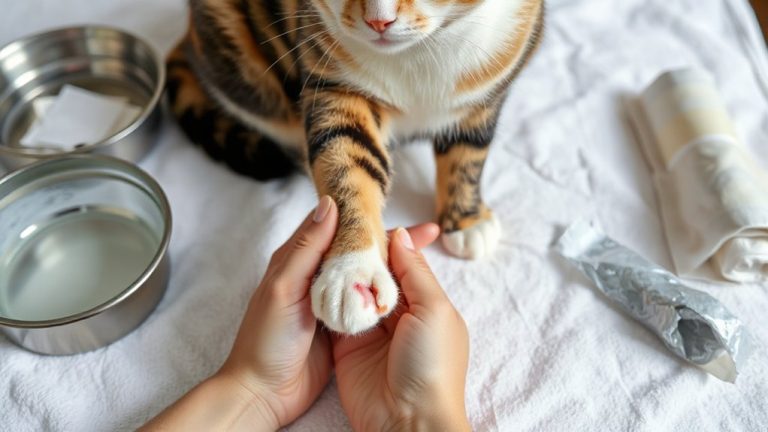
When working around sensitive areas, proceed with controlled, deliberate strokes to avoid irritation, especially near the belly, groin, and ears where skin is thin and more prone to abrasion. Use light pressure-apply no more than 2–3 ounces of force-to prevent scraping. For ear care, avoid inserting tools into the ear canal; instead, gently detangle outer fur with a fine-edge deshedding comb set at a 30-degree angle. The paw trimming process requires extra caution: extend claws slightly, then use the tool’s precision edge to remove loose undercoat between pads without nicking skin. Maintain a stroke length under 2 inches for better control. Always inspect skin after each pass. Deshedding tools with rounded blade tips reduce injury risk by 40% compared to sharp-edged models. Work in small sections, no larger than 3 x 3 inches, to guarantee even coverage without overworking any single area. Choosing the right tool can make a significant difference, so consider one of the top-rated deshedding tools based on expert evaluations.
Best Techniques Using a Deshedding Tool
How do you get the most out of your deshedding tool without damaging your dog’s coat? Use firm, even strokes following the direction of hair growth. Your dog’s coat texture determines blade depth: finer undercoats need shallow settings, while dense textures require deeper blade engagement. Position the tool at a 45-degree angle to avoid skin contact. Work in 2- to 3-inch sections, overlapping each pass slightly for full coverage. High brushing frequency-2 to 3 times weekly during shedding seasons-maximizes loose hair removal. Never press hard; let the tool’s teeth do the work. After each stroke, clear the trapped hair from the blade to maintain efficiency. A stainless steel blade with rounded tips reduces irritation. For long-haired breeds, comb first to detangle, ensuring the deshedding tool reaches the undercoat evenly. This method preserves coat integrity while targeting dead hair at the follicle level. Choosing the right tool matters-consider a deshedding brush with a self-cleaning mechanism for easier maintenance and consistent performance.
How Often to Use a Deshedding Tool by Breed and Season
A deshedding tool’s effectiveness depends on aligning usage frequency with a dog’s breed-specific coat type and seasonal shedding patterns. Your dog’s coat texture and shedding frequency determine ideal brushing frequency. Double-coated breeds like Huskies shed heavily in spring and fall, requiring deshedding sessions 2–3 times weekly during those seasons. Single-coated breeds like Greyhounds have lower shedding frequency and need minimal tool use-just weekly brushing.
| Breed Type | Coat Texture | Recommended Use |
|---|---|---|
| Double-Coated | Dense undercoat | 2–3 times/week seasonally |
| Single-Coated | Fine, thin | Once/week |
| Seasonal Shedder | Medium to thick | Daily during peak shedding |
Adjust your routine based on seasonal changes and visible loose fur. Overuse may irritate skin; underuse reduces effectiveness. Match tool frequency to biology.
On a final note
You must deshed strategically, not aggressively. A seasonal undercoat releases excess fur biannually, requiring tools with stainless steel blades spaced 0.5–1.2 mm apart. Use a rake-style deshedder with double-edged teeth to penetrate the thick undercoat without cutting topcoat hairs. Limit sessions to 10–15 minutes weekly during shedding peaks. Overuse causes micro-abrasions. For double-coated breeds like Huskies, this precision preserves insulation while reducing shedding by up to 90%.