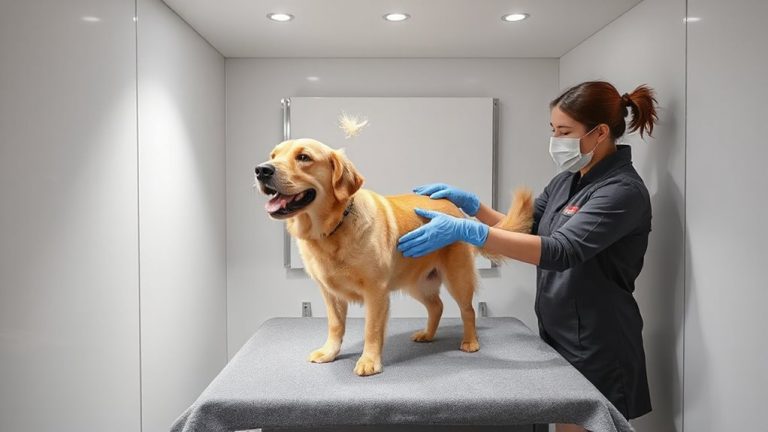
Understanding the Role of Probiotics in Managing Canine Digestive Upset
You can manage canine digestive upset with probiotics that deliver 1–5 billion CFUs of *Lactobacillus* or *Bifidobacterium* strains daily. These beneficial bacteria stabilize gut flora, improve nutrient absorption, and reduce diarrhea and gas. Enteric-coated capsules protect live cultures from stomach acid, enhancing delivery. Administer doses consistently for at least four weeks to see results. Strain specificity and third-party testing guarantee efficacy. Your dog’s gut health improves gradually with proper formulation and adherence-what follows explains how to choose and use them effectively.
Notable Insights
- Probiotics introduce beneficial bacteria like *Lactobacillus* and *Bifidobacterium* to restore gut balance in dogs with digestive upset.
- They enhance nutrient digestion by boosting enzyme production and reducing fermentation that causes gas and discomfort.
- Probiotics strengthen the gut lining, preventing undigested proteins from triggering immune responses and food sensitivities.
- Regular use of probiotics helps regulate bowel movements, reducing diarrhea and improving stool quality within days.
- Effective probiotic supplementation requires consistent daily dosing of 1–5 billion CFUs for at least four weeks to achieve results.
What Causes Upset Stomach in Dogs?

While your dog may seem fine one minute and sick the next, digestive upset usually stems from specific, identifiable causes. Food allergies trigger immune responses when your dog ingests proteins like beef, dairy, or chicken. These reactions damage the intestinal lining, impairing nutrient absorption. Common symptoms include chronic diarrhea, gas, and itchy skin. Elimination diets are the gold standard for diagnosis, requiring strict adherence to a novel protein for 8–12 weeks. Bacterial infections, such as those from Salmonella or Clostridium, introduce pathogens that disrupt gut balance. These microbes multiply rapidly, releasing toxins that inflame the gastrointestinal tract. Infection signs include acute vomiting, bloody stool, and fever. Fecal PCR testing detects specific DNA markers, confirming pathogen presence. Antibiotics may be required, though indiscriminate use risks further imbalance. Identifying the root cause-whether food allergies or bacterial infections-is essential for effective, targeted treatment. Probiotics specifically formulated for yeast overgrowth can support gut health by restoring beneficial bacteria, with best probiotics for dogs showing promising results in managing such imbalances.
How Probiotics Improve Dog Digestion
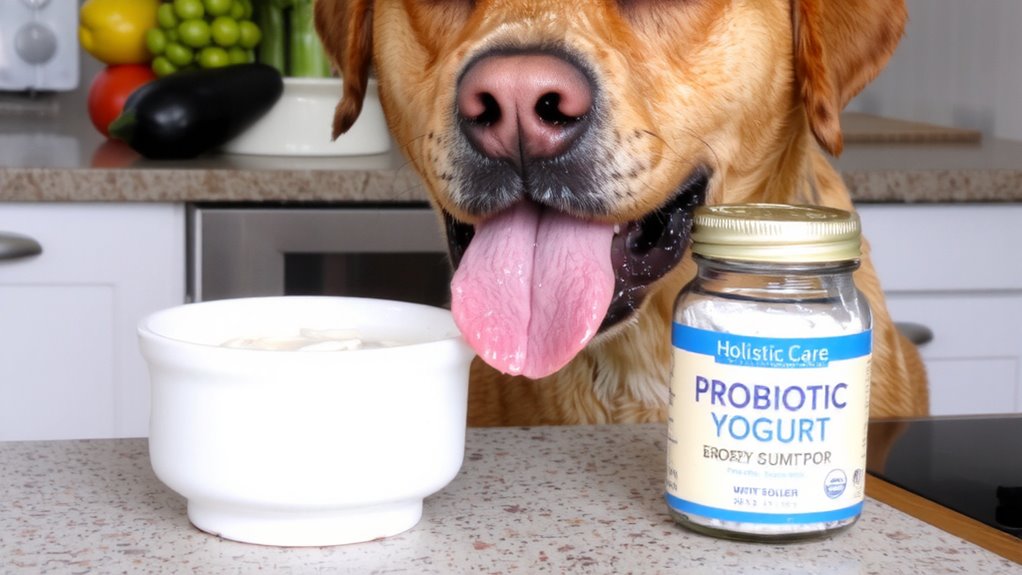
Because your dog’s gut relies on a delicate balance of microorganisms, introducing probiotics can shift digestion toward ideal function. Probiotics-live beneficial bacteria like *Lactobacillus* and *Bifidobacterium*-colonize the intestinal tract, supporting efficient nutrient breakdown. They enhance enzyme production, including lipases and proteases, which speed up food metabolism. This improved enzymatic activity reduces undigested material that can ferment and cause discomfort. Probiotics also regulate gut motility, ensuring food moves at ideal speed through the intestines-too fast causes diarrhea; too slow leads to constipation. Strains such as *Enterococcus faecium* help maintain consistent transit time, usually between 6–8 hours in healthy dogs. By stabilizing microbial populations, probiotics decrease pH in the colon, inhibiting pathogens like *E. coli*. This creates a favorable environment for nutrient absorption and lowers intestinal inflammation, promoting reliable digestive performance day after day. For dogs with inflammatory bowel disease, targeted supplementation with top probiotics for dogs with IBD can significantly improve clinical outcomes.
Signs Your Dog Needs Probiotics

Your dog’s digestive system depends on a stable balance of gut microbiota, and when disruptions occur, signs often surface in clear, observable ways. You may notice digestive irregularities like chronic diarrhea, excessive gas, or inconsistent stool quality. These symptoms suggest microbial imbalance in the gastrointestinal tract. Lethargic behavior is another key indicator-your dog may sleep more, show reduced interest in play, or lack energy due to inefficient nutrient absorption. Food sensitivities can also develop or worsen, presenting as vomiting, itching, or skin irritation after meals. These reactions may stem from compromised gut lining integrity, allowing undigested proteins to trigger immune responses. Probiotic deficiency impairs the gut’s ability to regulate inflammation and process nutrients effectively. Monitoring these signs helps determine when supplementation is necessary for restoring microbial equilibrium and digestive function. Incorporating a high-quality dog probiotic chews product can support gut health and aid in managing these digestive concerns.
Best Probiotics for Dogs: How to Choose
What makes one probiotic better than another for your dog’s digestive health? Strain specificity matters-certain strains like *Lactobacillus acidophilus* and *Bifidobacterium animalis* are clinically proven to support canine gut function. You need targeted strains, not just generic bacteria. Dosage consistency guarantees your dog gets the same potent CFU count-typically 1–5 billion-per dose every time. Look for products with guaranteed analysis on the label. Enteric-coated capsules resist stomach acid, increasing viable delivery to the intestines. Powders mixed with food must remain stable at room temperature. Avoid products with fillers or artificial additives. Third-party testing verifies label accuracy and purity. Reputable brands publish research supporting their formulations. Always check expiration dates-viable cultures degrade over time. Choose based on scientific evidence, not marketing claims. Your dog’s digestive balance depends on precision and reliability.
Probiotics vs. Prebiotics: What’s the Difference?
Probiotics introduce live beneficial bacteria into your dog’s gut, but they don’t work alone. Prebiotics are indigestible fibers that feed these good bacteria, helping them thrive. While probiotics directly add to your dog’s gut flora, prebiotics support the existing microbial balance. Common prebiotics like fructooligosaccharides (FOS) and inulin resist digestion and reach the colon intact. There, they stimulate the growth of beneficial microbes such as Lactobacillus and Bifidobacterium. This synergy enhances nutrient absorption and strengthens immune support. A stable gut flora reduces harmful bacteria overgrowth and improves digestive resilience. You’ll often find prebiotics included in synbiotic formulations-products combining both probiotics and prebiotics. These combinations increase probiotic survival and colonization rates in the gastrointestinal tract. For consistent results, choose products with scientifically backed strains and guaranteed colony-forming units (CFUs) through the expiration date.
How to Start Your Dog on Probiotics
Though introducing probiotics may seem straightforward, doing so correctly guarantees maximal colonization and digestive benefits. Start with a vet-recommended strain specific to dogs, such as *Lactobacillus rhamnosus* or *Bifidobacterium animalis*. Timing dosage is critical-administer probiotics 2–30 minutes before a meal to enhance survival through the gastric tract. Begin with half the recommended dose for the first 2–3 days to minimize digestive disruption. Gradually increase to the full amount by day four. For capsules, make certain your dog swallows the entire dose whole to protect live cultures. For powders or chews, consider your dog’s flavor preference-chicken or beef-based options improve compliance. Store probiotics according to label instructions, typically refrigerated for viability. Use consistently for at least 2–4 weeks to establish gut microbiota balance. Always check colony-forming units (CFUs); aim for 1–5 billion CFUs daily for maintenance in average-sized dogs.
What to Expect From Dog Probiotics
How soon might you notice a difference after starting your dog on probiotics? Most owners report improved stool quality within 2–4 days. Positive shifts in gut health typically become measurable after one week, with microbial balance restored in 2–3 weeks. You’ll likely see reduced gas, firmer stools, and more consistent digestion. Probiotics introduce beneficial bacteria like Lactobacillus and Bifidobacterium, which colonize the intestinal lining. These strains support nutrient absorption and reinforce the gut barrier. A healthy gut lining reduces systemic inflammation, enhancing immune support. Studies show dogs on daily probiotics have 30–50% higher levels of circulating immune cells. Effects are dose-dependent; most effective products deliver 1–5 billion CFUs per serving. Consistency matters-benefits diminish if doses are missed. While results vary by dog size and baseline gut health, probiotics are most effective when used for at least 4 weeks.
On a final note
You should see improved digestion within two weeks of starting probiotics. Dogs typically respond best to products containing at least 1–5 billion CFUs per serving. Strains like *Lactobacillus acidophilus* and *Bifidobacterium animalis* are clinically proven to support gut health. Probiotics stabilize microbial balance, reduce diarrhea duration, and enhance nutrient absorption. Always choose species-specific formulations with guaranteed potency through expiration. Results vary, but consistency yields measurable improvement in stool quality and digestive resilience.