Treating Chronic Wound Healing Issues in Diabetic Pets
You manage chronic wounds in diabetic pets by stabilizing blood glucose between 100–250 mg/dL in dogs and 120–300 mg/dL in cats using twice-daily insulin like Vetsulin or ProZinc. Impaired circulation and reduced capillary density slow healing, so clean wounds daily with saline. Use a 19-gauge needle and 35cc syringe for 4–15 psi irrigation. Avoid alcohol or hydrogen peroxide. Change bandages every 24 hours with non-adherent layers. Monitor for infection signs like pus or foul odor; track wound size weekly for 10–20% reduction. Poor granulation tissue or stalled healing suggests uncontrolled glucose or deeper issues. Advanced options like hyperbaric oxygen at 2.0–2.5 atmospheres or negative pressure therapy at –80 to –125 mmHg can help when combined with strict glycemic control. There’s more to learn about tailoring treatments to your pet’s specific needs.
Notable Insights
- Maintain strict glucose control with insulin therapy to support effective wound healing in diabetic pets.
- Clean wounds daily using sterile saline and low-pressure irrigation to reduce infection risk.
- Change bandages every 24 hours with non-adherent, absorbent dressings to promote a moist healing environment.
- Monitor for infection signs like redness, pus, or delayed granulation tissue formation during daily inspections.
- Consider advanced therapies like hyperbaric oxygen or negative pressure wound treatment when healing stalls despite proper care.
How Diabetes Slows Wound Healing
Although diabetes may seem like a condition focused only on blood sugar, it directly undermines your pet’s ability to heal even small wounds. Impaired circulation restricts blood flow to extremities, reducing oxygen and nutrient delivery critical for tissue repair. Capillary density decreases by up to 40% in diabetic animals, slowing cellular regeneration. Weakened immunity diminishes white blood cell efficiency, increasing infection risk. Neutrophil chemotaxis and phagocytosis are markedly reduced, allowing pathogens to persist. Chronic hyperglycemia damages vascular endothelium, further compromising wound site perfusion. Collagen synthesis declines due to disrupted fibroblast function, weakening new tissue structure. Glycation end-products accumulate, stiffening basement membranes and impeding cell migration. Inflammatory cytokines remain elevated, prolonging the destructive phase of healing. You must recognize that structural and functional changes in both vascular and immune systems create a hostile environment for recovery. Without intervention, minor abrasions can progress to deep, non-healing ulcers.
Keep Blood Sugar Stable to Support Recovery
Because consistent glucose control sets the foundation for effective wound repair, keeping your pet’s blood sugar within the target range is essential. Insulin management plays a central role in achieving this stability. You must administer insulin at the same times daily, typically every 12 hours, to maintain steady plasma concentrations. Use veterinary-approved insulin types like Vetsulin or ProZinc, dosed according to your pet’s weight and response. Glucose monitoring should occur every 6 to 12 hours during initial regulation, using a reliable portable glucometer calibrated for dogs or cats. Target ranges are 100–250 mg/dL in dogs and 120–300 mg/dL in cats. Avoid hypoglycemia, which impairs tissue perfusion. Consistent regulation supports cellular proliferation and immune function required for healing. Uncontrolled glucose leads to sustained inflammation and weakened collagen deposition.
Daily Wound Care for Diabetic Pets
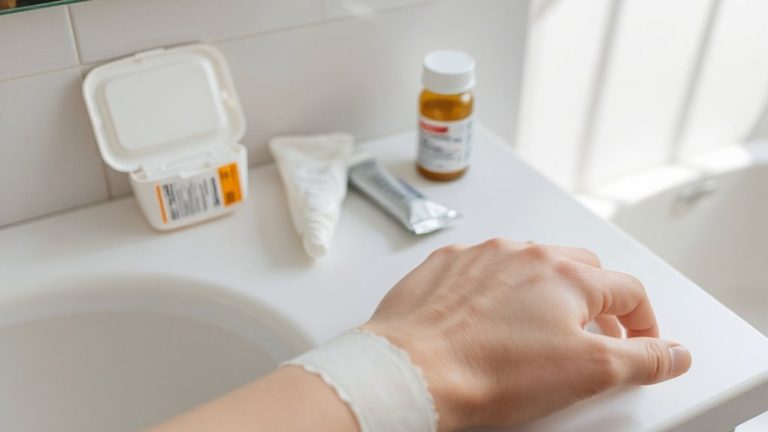
When managing daily wound care in diabetic pets, consistency and cleanliness are critical to prevent infection and support tissue regeneration. You must perform wound cleansing each day using sterile saline or a veterinarian-approved antiseptic solution to remove debris and reduce bacterial load. Avoid hydrogen peroxide or alcohol, as they damage healthy tissue. Gently irrigate the wound at low pressure-approximately 4 to 15 psi-using a 19-gauge needle and 35cc syringe for ideal debridement. After cleansing, apply any prescribed topical medications. Bandage rotation is essential; change dressings every 24 hours to maintain a moist wound environment and prevent maceration. Use non-adherent primary layers with absorbent secondary padding, secured with cohesive wrap. Guarantee the bandage isn’t too tight-two fingers should slide underneath. Monitor for exudate buildup or odor, which signal the need for intervention. Strict adherence enhances healing efficiency.
Spotting Wound Complications Early
You inspect the wound daily not just to clean it, but to catch early warning signs that healing is off track. Infection signs include increased redness, warmth, pus, or a foul odor. Swelling and bleeding beyond the initial cleaning phase also signal complications. Check for changes in wound size; measurements should decrease by at least 10–20% weekly. Delayed healing is indicated when the wound remains static or expands over seven days. Granulation tissue-pink or red and bumpy-should form within 5–7 days. Its absence suggests poor perfusion or uncontrolled glucose levels. Monitor your pet’s behavior; lethargy or decreased appetite may reflect systemic infection. Use a consistent method: take weekly photos and log wound dimensions in millimeters. Early detection improves outcomes. Subtle changes today prevent major setbacks tomorrow. Stay precise. Stay vigilant.
When Home Care Isn’t Enough: Advanced Options
What happens when daily monitoring and meticulous home care fail to move the wound toward closure? It’s time to explore advanced interventions. Hyperbaric therapy delivers 100% oxygen at 2.0 to 2.5 atmospheres, enhancing tissue oxygenation and stimulating angiogenesis. Sessions typically last 60–90 minutes, administered 3–5 times weekly. This modality increases oxygen saturation in hypoxic tissues by up to 20-fold, promoting fibroblast proliferation and collagen synthesis. When structural deficits persist, surgical grafting becomes necessary. Split-thickness skin grafts, 0.010–0.015 inches thick, are harvested and applied to debrided wound beds. Grafts require secure immobilization and consistent negative pressure wound therapy at –80 to –125 mmHg for maximum adherence. Success depends on glycemic control, with target serum glucose between 100–250 mg/dL. These treatments aren’t replacements for home care-they’re critical augmentations when healing stalls despite diligent efforts.
Daily Habits to Prevent Wounds in Diabetic Pets
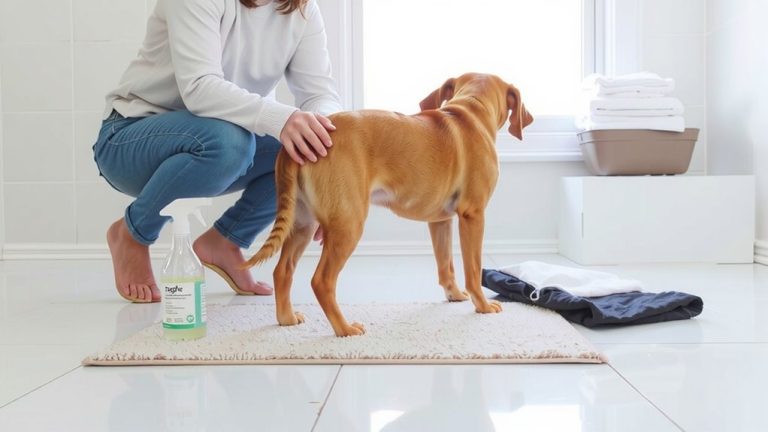
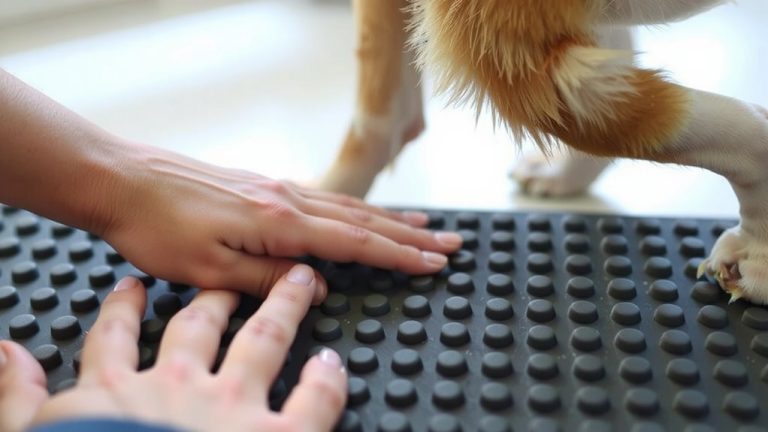
Regular daily habits form the foundation of wound prevention in diabetic pets, reducing the need for advanced therapies down the line. Proper grooming removes mats, debris, and irritants that can lead to microabrasions. Brush your pet daily using a soft-bristle brush; for long-haired breeds, clip coats to 1–2 inches to minimize bacterial trapping. Inspect skin folds and paw pads every 24 hours-common sites for pressure ulcers. Maintain a safe environment by eliminating sharp objects, securing loose rugs, and using non-slip flooring to prevent traumatic injury. Keep indoor humidity between 40–60% to prevent skin desiccation. Trim nails every 10–14 days to avoid snagging. Use hypoallergenic, pH-balanced cleansers during bathing, no more than once weekly. Monitor for erythema, edema, or localized warmth-early signs of tissue compromise. Consistent routines decrease infection risk and support long-term dermal integrity.
On a final note
You must keep glucose levels within the target range-typically 100–250 mg/dL-to support tissue repair. Unstable blood sugar impairs neutrophil function and collagen synthesis. Clean wounds daily with sterile saline and apply veterinary-approved antimicrobial dressings. Monitor for erythema, purulent discharge, or dehiscence-signs of infection. If no improvement occurs within 72 hours, seek veterinary care. Advanced therapies like silver sulfadiazine or hydrogels may be necessary for stalled healing.