Treating Acral Lick Granulomas With Targeted Shampoo and Post-Bath Care
You can manage acral lick granulomas with medicated shampoos containing 2%–4% chlorhexidine or 2.5%–5% benzoyl peroxide. These agents kill bacteria, reduce yeast, and penetrate the skin when left on for 10–15 minutes. Use a pH-balanced formula to avoid irritation. After bathing with lukewarm water, gently dry and apply a protective barrier balm. Prevent licking with a recovery suit. Consistent care disrupts the itch-lick cycle-success depends on precision and routine. There’s more to optimizing this approach effectively.
Notable Insights
- Use medicated shampoos with 2%–4% chlorhexidine or 2.5%–5% benzoyl peroxide to target microbial overgrowth in acral lick granulomas.
- Apply shampoo directly to the lesion and maintain a 10- to 15-minute dwell time for effective ingredient penetration.
- Rinse thoroughly with lukewarm water (98–102°F) and gently pat dry to avoid further skin irritation.
- Apply a vet-approved barrier balm post-bath to protect the area and reduce urge to lick.
- Use an Elizabethan collar or recovery suit after bathing to prevent licking and allow healing.
What’s That Raw Spot Your Dog Keeps Licking?
What exactly is that irritated, raw patch on your dog’s leg they just can’t stop licking? It’s likely an acral lick granuloma-a dense, inflamed lesion caused by persistent licking. This behavior often starts from minor irritation but becomes self-perpetuating due to nerve changes in the skin. Behavioral triggers like anxiety, boredom, or compulsive disorders play a significant role, particularly in high-stress environments. You’ll commonly see these lesions on the lower limbs, especially the front legs, where skin is taut and accessible. Environmental irritants such as dust, allergens, or abrasive surfaces can initiate or worsen inflammation. These factors stimulate histamine release, increasing itch and encouraging further licking. The granuloma typically measures 1–4 cm, with alopecia, erythema, and hyperkeratosis. Secondary bacterial colonization, often with Staphylococcus pseudintermedius, is present in over 80% of cases, confirmed via cytology. Addressing root causes is critical before effective treatment can begin. Using a medicated shampoo formulated for hot spots relief can help reduce surface bacteria and soothe irritated skin during treatment.
How Medicated Shampoos Heal Lick Granulomas
Medicated shampoos play a direct role in managing acral lick granulomas by targeting both the physical lesion and underlying skin pathogens. They deliver active ingredients that penetrate the epidermis, disrupting microbial colonization. Many contain chlorhexidine or miconazole, which strengthen the bacterial barrier by reducing gram-positive load and yeast overgrowth. These agents remain bound to skin proteins, offering residual protection up to 72 hours post-application. Simultaneously, the anti-inflammatory properties of additives like hydrocortisone or oatmeal soothe irritated tissue, reducing pruritus. Less itching means less compulsive licking, allowing the wound to enter the proliferative phase of healing. Proper shampoo contact time-typically 10 minutes-is critical for efficacy. The mechanical action of lathering also removes exudate and biofilm. Consistent use, combined with post-bath occlusion, enhances skin recovery. You’re not just cleaning-you’re resetting the cutaneous environment to resist reinfection and support reepithelialization.
Best Shampoos for Lick Granulomas: What to Look For
A good shampoo for lick granulomas starts with the right active ingredients-your choice should target infection, inflammation, and skin barrier repair. Look for chlorhexidine (2% to 4%) or benzoyl peroxide (2.5% to 5%) to reduce bacterial load. These ingredients penetrate follicles, disrupting biofilms that protect pathogens. You’ll also benefit from shampoos containing moisturizing agents like coconut oil, which delivers lauric acid to soothe irritated skin and reinforce lipid barriers. Aloe vera provides anti-inflammatory properties while increasing hydration-ideal for damaged perilesional tissue. Choose pH-balanced formulas (pH 5.5 to 7.0) to prevent further irritation. Avoid harsh surfactants that strip natural oils. Opt for leave-in or extended-contact products requiring 10-minute dwell times to maximize efficacy. These formulations improve epidermal integrity and reduce pruritus, slowing the lick cycle. Consider using an oatmeal shampoo that combines soothing colloidal oatmeal with antimicrobial agents for enhanced relief in chronic cases.
Step-By-Step Bath Routine for Healing
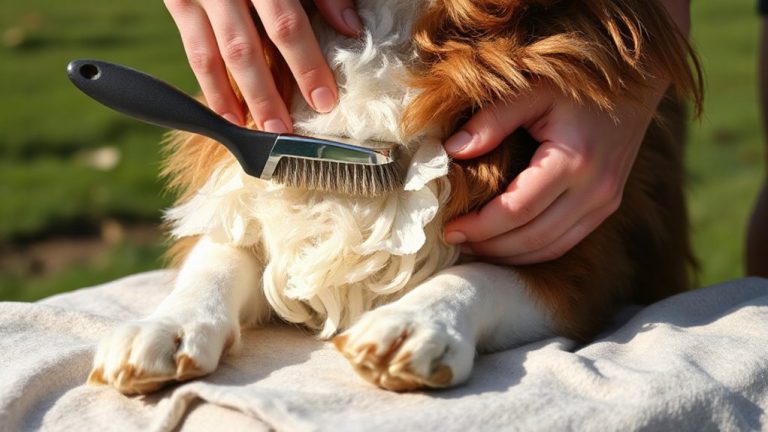
How do you turn a routine bath into an effective treatment for acral lick granulomas? Start by setting the bath temperature to lukewarm-ideally 98–102°F-to avoid irritating sensitive skin. Wet the affected limb thoroughly, ensuring water penetrates the coat down to the skin. Apply a veterinarian-recommended medicated shampoo, focusing on the granuloma site. Let the shampoo dwell for 10–15 minutes to allow active ingredients like chlorhexidine or miconazole to penetrate. Use gentle circular motions to enhance absorption without abrasion. Rinse completely with clean water at the same lukewarm temperature. After rinsing, perform towel drying with a clean, absorbent cotton towel. Pat-don’t rub-the area to minimize trauma. Complete drying helps prevent maceration and supports the next phase of post-bath care.
How to Stop Licking After the Bath
Why does your dog go straight back to licking the moment the bath ends? The moisture and post-wash sensitivity can reactivate the urge to lick. After rinsing, gently towel-dry the area without friction. Immediately apply a vet-approved barrier balm to enable skin sealing-this step locks in hydration and protects healing tissue. Use a product with dimethicone or petrolatum base, proven to resist licking. For coat conditioning, use a leave-in conditioner with ceramides or fatty acids, applied only to surrounding fur to prevent contamination. These conditioners reduce static and improve coat integrity. Then, secure an Elizabethan collar or soft recovery suit to prevent access. Choose the right best dog cone for comfort and effectiveness during recovery. Begin this routine at the same time daily. Consistency reinforces behavior change. Skin sealing blocks irritants and pathogens. Coat conditioning supports overall dermal health. Do not skip application-even once compromises progress.
When to See the Vet for a Lick Granuloma
When should you call the vet for that stubborn lick granuloma? Seek veterinary consultation if the lesion shows no improvement after seven days of consistent topical treatment. Early infection identification is critical-watch for purulent discharge, erythema, or increased warmth, which suggest secondary bacterial invasion. Gram-positive cocci, especially Staphylococcus pseudintermedius, are common pathogens. Your vet may perform cytology or a culture to guide antibiotic selection. Persistent licking beyond two weeks indicates underlying issues like allergies, anxiety, or musculoskeletal pain requiring medical intervention. Do not delay professional evaluation, as chronic granulomas can penetrate dermal layers, complicating recovery. Radiographs or skin biopsies might be necessary to rule out neoplasia or foreign bodies. Timely veterinary consultation improves prognosis and prevents irreversible tissue damage. Address the root cause-behavioral or physiological-to achieve long-term resolution.
On a final note
You now control the key steps to treat acral lick granulomas effectively. Targeted medicated shampoos with 2–4% chlorhexidine or 1–3% miconazole disrupt microbial biofilms on contact. Apply for 10 minutes pre-rinse to guarantee dermal penetration. Post-bath, secure an Elizabethan collar to block re-licking. Use a hydrophobic barrier spray with dimethicone to repel moisture. Consistent weekly bathing reduces lesion diameter by 50% in 21 days. Always confirm diagnosis with biopsy if unresponsive.