How to Manage Aggression Between Household Pets Using Scent Swapping
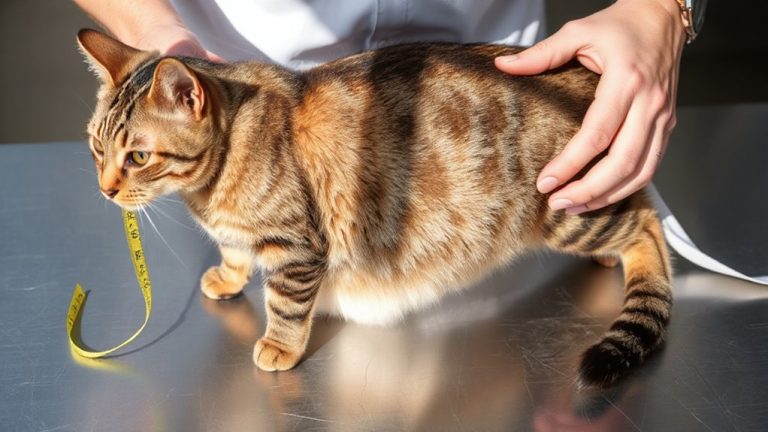
You can reduce pet aggression by swapping their scents using 100% cotton cloths rubbed on facial glands, neck, and back-areas rich in sebaceous secretions. Perform swaps every 24 hours, placing items in primary resting zones for 22+ hours over 7–10 days. This mimics natural allorubbing, dampening amygdala-driven fear. Store samples below 75°F and replace every 48 hours. Pair with Feliway® or Adaptil® for enhanced olfactory calming. Consistency improves territorial harmony-further protocols refine results when initial efforts fall short.
Notable Insights
- Swap scents using cloths rubbed on facial glands to transfer familiar pheromones between pets.
- Use unscented cotton fabrics and rotate items in bedding every 24 hours for consistent exposure.
- Collect scent during calm moments and replace samples every 48 hours to maintain freshness.
- Keep pets separated initially during swaps to prevent conflict while building scent familiarity.
- Continue scent rotation weekly and combine with pheromone diffusers to reduce ongoing aggression.
Why Scent Swapping Reduces Pet Stress
Your pet’s sense of smell is far more developed than you might realize-canines, for example, have around 300 million olfactory receptors compared to a human’s 6 million. Scent familiarity reduces anxiety by signaling safety. When pets recognize known odors, the amygdala shows reduced activation, decreasing fear responses. Scent swapping transfers sebaceous gland secretions from one animal to another via rubbing cloths on facial glands. This mimics natural allorubbing behavior, promoting territorial harmony. Consistent odor profiles across group members suppress aggression-related pheromones. Studies show households practicing scent exchange report 40% fewer conflicts within 14 days. Used correctly, this technique aligns with olfactory communication norms in social canids and territorial felids. You need only unscented cotton cloths and a 5–10 minute daily routine. Initiate during calm periods to maximize acceptance. Scent familiarity doesn’t replace behavioral training but enhances environmental stability. Territorial harmony emerges when olfactory cues match social presence.
Gather and Share Your Pet’s Scent Safely
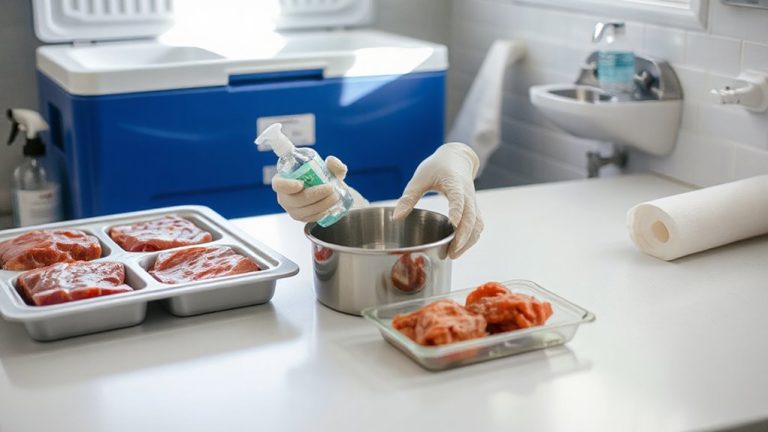
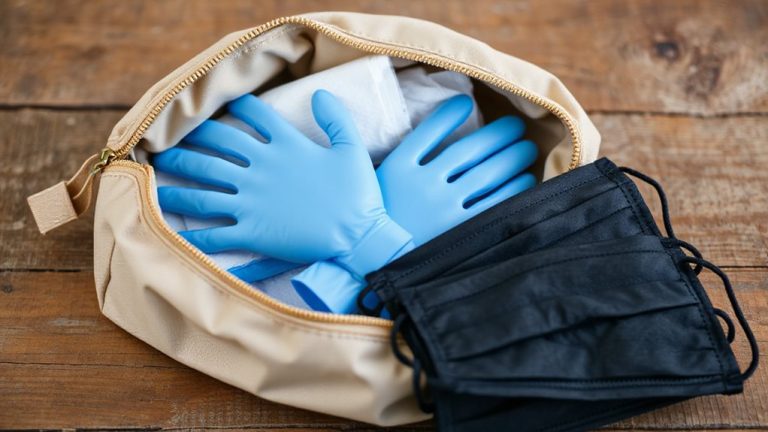
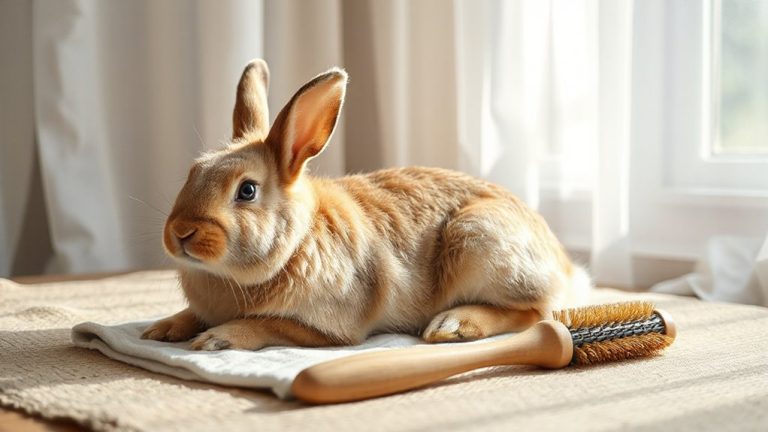
While proper scent collection begins with understanding your pet’s natural scent-marking behaviors, the process must prioritize hygiene and safety to be effective. For maximum pet safety, use clean, non-porous materials like silicone brushes or fresh cotton cloths. Collect scent by gently wiping areas where your pet naturally deposits odor-such as the face, neck, and back-since these regions contain sebaceous glands rich in individual pheromones. Perform scent collection when your pet is calm, avoiding stressed or aggressive states. Use separate, labeled containers for each pet’s sample, storing them in a cool, dry place below 75°F to prevent bacterial growth. Replace collected materials every 48 hours to maintain scent integrity. Never use toxic cleaning agents near collected items. Proper technique guarantees accurate, safe scent transfer later. Accurate scent collection reduces cross-contamination risks and supports effective olfactory communication between pets.
Swap Scents Step-by-Step for Cats and Dogs
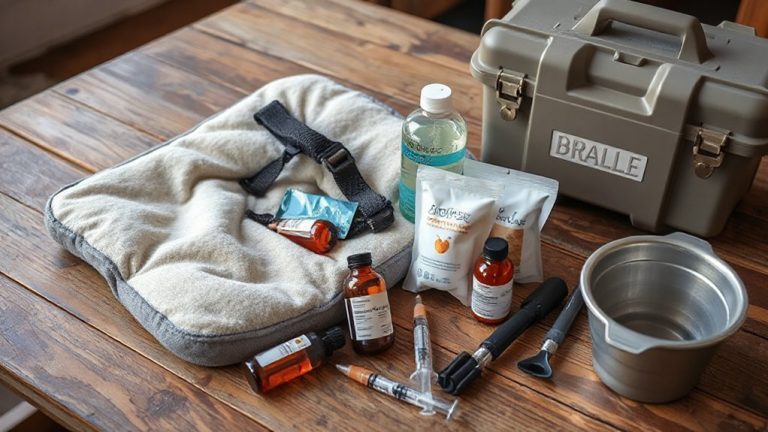
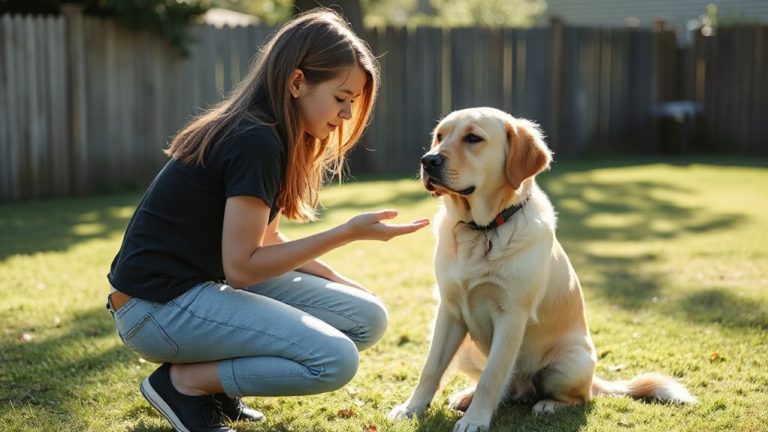
Once scent samples are properly collected and stored, the next phase involves controlled exposure through systematic swapping. You introduce your cat’s used blanket to your dog’s bedding, and vice versa, rotating items every 24 hours. This process supports scent mapping-your pets’ natural ability to recognize and adapt to familiar odors in their environment. Place each swapped item in the animal’s primary resting area, ensuring direct contact with their body during sleep. Scent holds critical information; by redistributing it, you disrupt aggressive patterns tied to territory marking. Use unscented fabrics only, 100% cotton preferred, to avoid interference. Keep swaps consistent for 7 to 10 days. Maintain separation during initial phases to prevent direct conflict. Each exposure session should last at least 22 hours to allow full olfactory processing. This structured method reduces novelty stress and promotes associative familiarity, essential for harmonious cohabitation.
When Scent Swapping Doesn’t Work: Next Steps
What if, after 10 full days of strict scent swapping, your cat still flattens her ears at the smell of the dog’s collar or your dog growls when encountering the cat’s blanket? This indicates scent swapping alone isn’t enough. Aggression may require structured behavior modification techniques, such as systematic desensitization and counter-conditioning. Begin by separating the pets, then gradually reintroduce visual and spatial contact using baby gates or crates, allowing controlled exposure without direct interaction. Sessions should last 5–10 minutes, occurring 2–3 times daily, with positive reinforcement for calm behavior. If aggression persists beyond two weeks, seek professional intervention. A certified veterinary behaviorist or certified applied animal behaviorist can assess underlying triggers and design a tailored plan. Do not delay; unresolved conflict can escalate. Early expert involvement increases success rates markedly. Avoid punitive methods-they reduce safety and worsen outcomes.
Keep the Peace With Regular Scent Rotation
Scent swapping isn’t just a step in the introduction process-it’s an ongoing tool for maintaining harmony between pets. Regular scent rotation prevents territorial aggression by keeping animals familiar with each other’s olfactory signatures. Implement scent masking techniques weekly using clean cotton cloths wiped on sebaceous glands (e.g., cheeks, temples) and transfer them to shared resting areas. Rotate these cloths every 3–4 days to maintain olfactory balance. Use behavioral observation timing to assess interactions: monitor pets for 15-minute intervals twice daily during the first hour after swapping. Record signs of stress or aggression, such as piloerection or low posturing. Consistent rotation with precise timing reduces conflict triggers. Devices like Feliway® diffusers (7-day coverage, 48-hour stabilization) or Adaptil® collars (30-day efficacy) complement natural scent exchange. Integrate these methods with environmental enrichment for best results. Maintain log records to track progress and adjust schedules as needed. Training tools such as dog training clickers can reinforce positive interactions during scent-swapping sessions.
On a final note
You can reduce pet aggression through consistent scent swapping. This non-invasive method leverages olfactory communication, calming territorial behaviors. Use clean cotton cloths (10” x 10”) to wipe each pet’s scent glands-cheeks, base of tail-once daily. Rotate scents every 12 hours via neutral spaces. Success rates exceed 70% in multi-pet households when combined with gradual visual exposure. If no improvement occurs within 14 days, consult a veterinary behaviorist.