Creating a Seasonal Bathing Routine for Dogs Prone to Allergies
You should bathe your dog weekly in spring with a pH 5.5–7.0 hypoallergenic shampoo to reduce pollen buildup and support the acid mantle. Use colloidal oatmeal (1–2%) and ceramides to repair microscopic skin cracks and limit transepidermal water loss. In summer, switch to oatmeal and aloe vera formulas every 2–3 weeks, rinsing for at least 2 minutes. Stick to species-appropriate products and maintain consistent pH balance-there’s more to optimizing each season’s routine.
Notable Insights
- Bathe weekly in spring and summer to reduce pollen buildup using a pH-balanced, fragrance-free shampoo.
- Use oatmeal-based shampoos with ceramides to soothe skin and repair the barrier during high-allergen seasons.
- Switch to emollient-rich, moisturizing shampoos with glycerin or hyaluronic acid in fall and winter.
- Rinse thoroughly for at least 2–3 minutes to eliminate residue that can irritate sensitive skin.
- Limit winter baths to every 4–6 weeks and maintain indoor humidity to prevent dry, cracked skin.
How Allergies Damage Your Dog’s Skin Barrier
While your dog’s skin may look healthy on the surface, allergies can quietly compromise its protective function. Allergens trigger immune responses that lead to skin inflammation, weakening structural proteins like filaggrin and disrupting lipid organization. This damage results in barrier dysfunction, allowing pathogens and irritants to penetrate more easily. Transepidermal water loss increases by up to 40%, reducing hydration and elasticity. Microscopic cracks form, similar to dried pavement, further escalating sensitivity. The skin’s pH shifts, impairing antimicrobial defense and encouraging yeast or bacterial overgrowth. Chronic inflammation thickens the epidermis unevenly, compromising its integrity. You’ll notice recurring redness, flaking, or odor. Restoring the barrier requires targeted intervention, not just symptom relief. Effective care focuses on stabilizing lipid composition and reinforcing cellular cohesion. Without addressing barrier dysfunction, even minor allergens provoke amplified reactions. You must act early to prevent long-term vulnerability and protect your dog’s skin resilience. Choosing the right topical treatment, such as a hypoallergenic dog shampoo, can significantly support skin barrier recovery and reduce allergic flare-ups.
Pick the Best Hypoallergenic Shampoo for Each Season
Choosing the right hypoallergenic shampoo for your dog means matching formulation to seasonal allergen exposure and skin barrier needs. In spring and summer, use a shampoo with a pH balance of 5.5 to 7.0 to reinforce the skin’s acid mantle and minimize irritation. Look for fragrance-free formulas to reduce fragrance sensitivity, especially if your dog reacts to botanical extracts or essential oils. Oatmeal-based cleansers with ceramides help restore lipids lost during high-pollen months. In fall and winter, switch to a more emollient shampoo with glycerin or hyaluronic acid to combat dry indoor air. Guarantee the pH balance remains species-appropriate-never human-grade (pH 5.5 or lower). Hypoallergenic doesn’t mean tear-free; verify non-stinging formulations. Always rinse thoroughly to prevent residue buildup, which can worsen skin reactivity. For persistent issues, consider a top-rated hypoallergenic shampoo recommended for dogs with sensitive skin and allergy-prone coats.
Bathe Away Spring Pollen to Soothe Itchiness
Since spring brings higher pollen counts that cling to your dog’s coat and exacerbate allergic dermatitis, bathing weekly with a targeted hypoallergenic shampoo can markedly reduce allergen load. This routine minimizes pollen accumulation and delivers consistent itch relief. Use lukewarm water (100–103°F) to open hair follicles and guarantee thorough shampoo contact. Rinse completely to prevent residue irritation. For optimal results, consider using a vet-recommended oatmeal shampoo that combines soothing colloidal oatmeal with skin-repairing ceramides.
| Emotion | Cause | Relief Seen After Bathing |
|---|---|---|
| Restless scratching | Pollen on fur | Reduced within 1 hour |
| Skin redness | Inflamed dermatitis | Soothing begins in 30 min |
| Lethargy | Discomfort from allergies | Improved energy by next day |
| Anxiety | Persistent itching | Calmer demeanor observed |
| Licking paws | Pollen accumulation in fur | Decreased within hours |
Choose shampoos with oatmeal (colloidal, 1–2%) and ceramides to restore skin barrier function. Avoid antihistamine shampoos unless prescribed. Consistent bathing = measurable improvement.
Cool and Cleanse in Summer to Beat Heat-Induced Itching
When temperatures rise, your dog’s skin becomes more reactive to environmental allergens, and increased sweating through paw pads can worsen irritation. Summer bathing helps remove allergens and cools inflamed skin. Use lukewarm water-never hot-and a hypoallergenic shampoo with oatmeal and aloe vera to soothe irritation without stripping natural oils. Bathe every two to three weeks, or weekly if needed, to maintain skin health. Rinse thoroughly for at least two minutes to prevent residue buildup. After bathing, apply a vet-approved topical with SPF 30+ for sun protection, especially on thin-haired areas like the belly and ears. Prevent sunburn and reduce skin damage from UV exposure. Offer a hydration boost with an electrolyte supplement or increased water intake post-bath. Dehydration exacerbates skin dryness and itch. Cooling wipes between baths keep paws clean and reduce allergen tracking. Consistent hygiene reduces thermal stress and supports skin barrier function.
Flush Out Fall Mold and Dust Before It Irritates
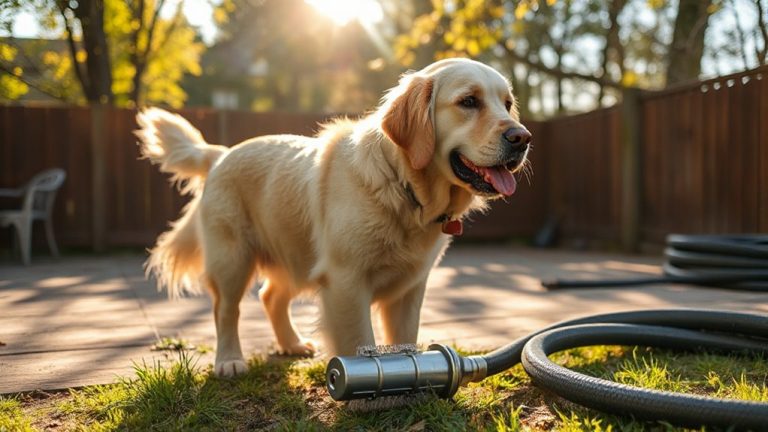
Fall allergy season brings a surge in airborne mold spores and dust particles that settle on your dog’s coat and skin, triggering allergic reactions. Mold exposure intensifies in damp conditions, increasing histamine responses. Dust accumulation embeds in fur, exacerbating inflammation. Weekly bathing with a hypoallergenic, pH-balanced shampoo reduces allergen load. Use a product with a pH of 6.5–7.5 to preserve skin barrier function. Lukewarm water (100–102°F) opens pores, aiding allergen removal. Lather thoroughly, focusing on paws, underbelly, and ears-common allergen traps. Rinse for at least three minutes to eliminate residue. A high-efficiency showerhead with 1.5 gallons per minute flow guarantees thorough rinsing without over-wetting. Post-bath, towel-dry immediately to prevent chills and limit moisture-trapped allergens. Regular brushing with a stainless-steel comb removes dead skin and residual particles. Proactive hygiene reduces clinical flare-ups by up to 40%, according to veterinary dermatology studies.
Avoid Winter Dryness Without Overbathing
Winter’s low humidity and indoor heating strip moisture from your dog’s skin, disrupting the protective lipid barrier and increasing transepidermal water loss. To combat this, you must humidify air and limit baths. Excessive bathing removes natural oils, worsening dryness and compromising skin integrity. Use a humidifier to maintain 40–60% indoor humidity, mimicking ideal environmental conditions for skin health. When bathing is necessary, select hypoallergenic, lipid-restoring shampoos with ceramides and oatmeal.
| Strategy | Purpose | Frequency/Setting |
|---|---|---|
| Humidify air | Restore ambient moisture | 40–60% RH, continuous |
| Limit baths | Preserve skin lipids | Every 4–6 weeks |
| Use moisturizing rinse | Replenish barrier lipids | After each bath |
| Wipe paws daily | Remove irritants without moisture loss | Daily, post-walk |
This evidence-based approach prevents xerosis while supporting immune resilience.
On a final note
You protect your dog’s skin barrier by adapting bathing routines to seasonal allergen exposure. Use hypoallergenic shampoos with pH 6.5–7.5 to maintain epidermal integrity. Bathe every 2–4 weeks, adjusting frequency to pollen, mold, or low humidity levels. Medicated shampoos with chlorhexidine (2%) or oatmeal colloids reduce microbial load and inflammation. Rinse thoroughly-residue increases irritation risk. Towel-dry completely to prevent moisture-trapped dermatitis. Consistency prevents flare-ups better than reactive treatment.