The Link Between Obesity and Impaired Gut Motility in Dogs
Obesity slows your dog’s gut motility by compressing the intestines with excess abdominal fat, delaying gastric emptying beyond the normal 4–6 hours. Reduced nerve signaling and leptin resistance disrupt digestive rhythms, while dysbiosis lowers short-chain fatty acid production, impairing intestinal contractions. This leads to infrequent bowel movements, hard stools, and bloating. Chronic inflammation further hampers enzyme efficiency. You’ll discover how diet and daily habits can restore normal motility and support long-term digestive health.
Notable Insights
- Excess abdominal fat compresses the intestines, slowing gastric emptying and impairing normal gut motility.
- Obesity-related hormonal imbalances disrupt leptin and ghrelin signaling, reducing appetite control and digestive contractions.
- Chronic inflammation from fat tissue interferes with digestive enzyme function and gut nerve activity.
- Altered gut microbiome in obese dogs reduces microbial diversity and weakens intestinal motility signals.
- Regular exercise and high-fiber diets improve colonic contractions and help normalize transit time in overweight dogs.
Spot The Signs Of Poor Gut Motility In Overweight Dogs
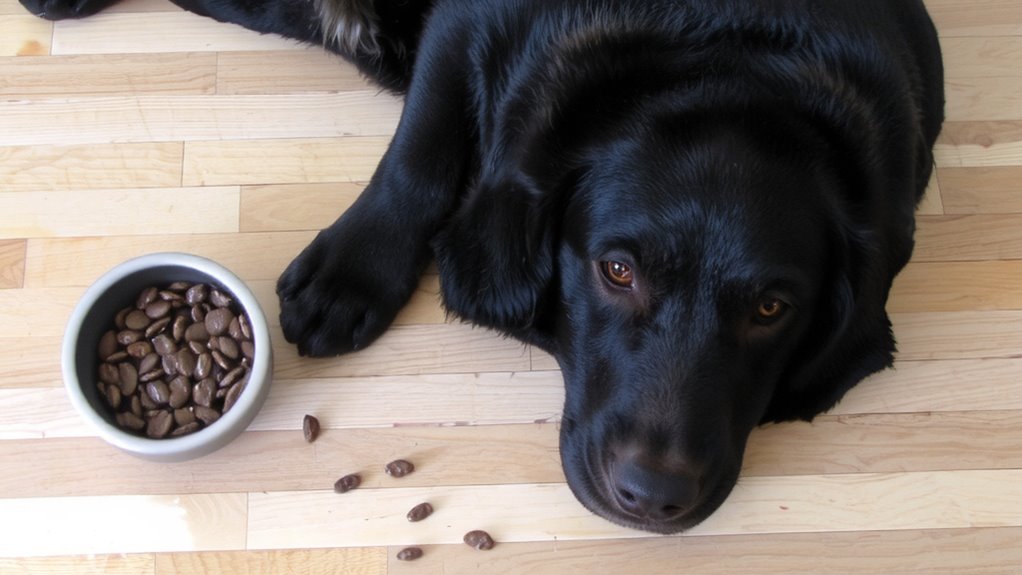
Digestive delays. You may notice bloating symptoms in your overweight dog, signaled by a distended abdomen and visible discomfort after meals. These signs often accompany infrequent bowel movements, defined as fewer than one stool every 48 hours. Reduced gut motility slows intestinal transit, causing contents to linger in the colon. This delay increases water absorption, leading to drier, harder feces. You might observe straining during defecation or incomplete evacuation. Gastric emptying time extends beyond the normal 4–6 hours in dogs with impaired motility. Bloating symptoms can progress, increasing risks of discomfort or secondary complications. Infrequent bowel movements, paired with decreased abdominal contractions, suggest dysmotility. Monitoring defecation frequency and stool consistency provides key diagnostic clues. Palpation may reveal intestinal distension. Early recognition of these signs allows timely intervention, supporting gastrointestinal health before chronic issues develop.
Why Extra Weight Slows Your Dog’s Digestion
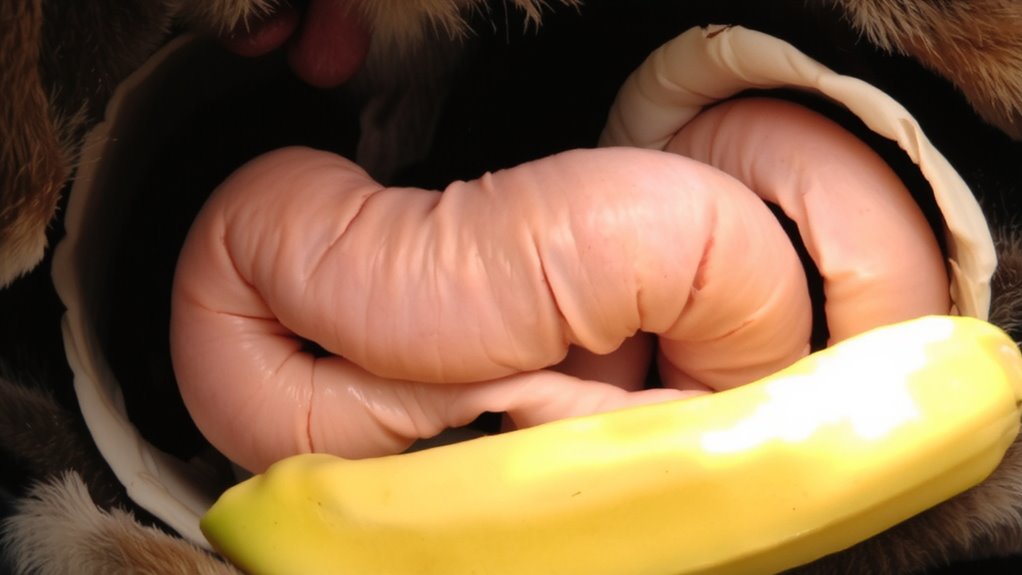
While carrying excess weight, your dog’s digestive system often operates less efficiently due to mechanical and metabolic disruptions. Extra abdominal fat compresses the intestines, restricting normal movement. This physical pressure contributes to delayed gastric emptying. Hormonal imbalance alters gut hormone secretion, particularly leptin and ghrelin, which regulate appetite and motility. Reduced nerve signaling in the enteric nervous system slows peristalsis, the wave-like contractions that move food forward. These changes decrease transit time and impair nutrient processing.
| Factor | Effect on Digestion |
|---|---|
| Abdominal fat | Compresses intestines |
| Hormonal imbalance | Disrupts motility signals |
| Reduced nerve signaling | Slows peristalsis |
| Leptin resistance | Alters satiety and digestion |
| Metabolic changes | Impairs enzyme efficiency |
Chronic inflammation from fat tissue further interferes with gut function. These interconnected issues reduce digestive efficiency. Addressing weight restores normal motility.
How Gut Bacteria Impact Digestive Health In Obese Dogs
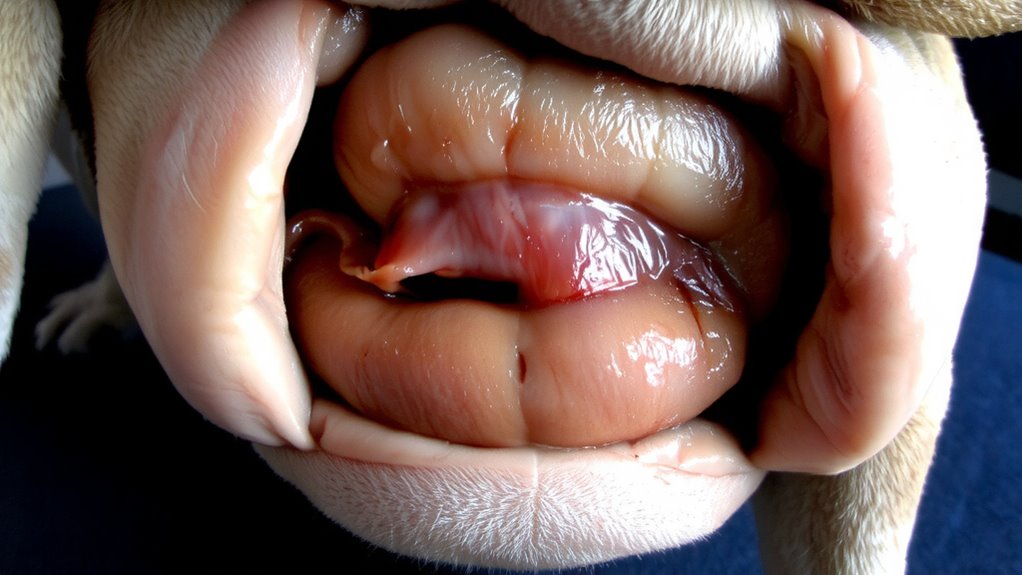
Your dog’s gut microbiome plays a critical role in maintaining digestive health, especially when obesity is a factor. Excess body fat alters microbial populations, often leading to gut dysbiosis-a condition marked by reduced microbial diversity and overgrowth of harmful bacteria. This microbial imbalance disrupts short-chain fatty acid production, impairing intestinal barrier function and increasing systemic inflammation. Obese dogs commonly show elevated Firmicutes-to-Bacteroidetes ratios, a biomarker linked to enhanced energy harvest from food and fat storage. These shifts slow gut transit times and compromise nutrient metabolism. Dysbiosis also weakens gut motility by interfering with serotonin signaling in the enteric nervous system. Without microbial balance, fermentation byproducts accumulate, causing gas, bloating, and discomfort. Restoring microbial equilibrium is essential for normal digestive function. You can measure improvements through fecal microbiota analysis and transit time studies. Addressing gut dysbiosis directly supports motility and metabolic health in overweight dogs.
Best Foods To Support Digestion In Overweight Dogs
Fiber is your best ally when selecting foods to support digestion in overweight dogs. High fiber intake slows gastric emptying and increases satiety, reducing calorie consumption. Look for recipes with 8–10% crude fiber from natural sources like beet pulp, pumpkin, or psyllium. These soluble and insoluble fiber blends improve stool quality and regulate bowel movements. Feed your dog two to three measured meals daily to stabilize insulin and support consistent gut motility. Increased meal frequency prevents overloading the digestive tract, enhancing nutrient absorption. Choose low-fat, high-protein diets with at least 20% protein from quality animal sources to maintain lean mass during weight loss. Avoid fillers like corn and wheat. Instead, opt for whole-food ingredients that support microbiome balance. Always shift foods gradually over 7–10 days. Monitor stool score and adjust fiber intake as needed for ideal consistency. A balanced high-fiber dog food can make a significant difference in managing weight and digestive health.
Daily Habits To Improve Your Dog’s Gut Motility
How does daily routine shape gut motility in dogs? A consistent feeding schedule regulates gastric emptying and intestinal transit. Feed your dog at the same times daily to stabilize gastrointestinal hormone release, improving motility by up to 30%. Divide meals into two portions to prevent gastric distension and enhance digestive efficiency. Pair this with a structured exercise routine. Daily physical activity, like 30-minute brisk walks, stimulates colonic contractions through increased vagal tone. Exercise boosts smooth muscle coordination in the intestines, reducing transit time. Avoid vigorous activity immediately after meals to prevent discomfort. Incorporate structured play or leash training to sustain moderate cardiovascular effort. Together, a reliable feeding schedule and regular exercise routine optimize gut motility. These habits reduce constipation risk and support metabolic health. They’re essential for dogs, especially those managing obesity-related digestive delays.
On a final note
You can improve your overweight dog’s gut motility with targeted dietary and lifestyle changes. High-fiber, low-fat diets containing 8–10% crude fiber regulate colonic transit time. Probiotics like *Lactobacillus acidophilus* (minimum 1 billion CFU/day) restore microbial balance. Daily exercise-30–60 minutes of moderate activity-stimulates peristalsis. Together, these interventions reduce intestinal transit time by up to 30%, enhancing nutrient movement and reducing constipation risk in obese dogs.