How to Brush Sensitive Areas Like Armpits and Groin in Anxious Dogs
Start by building trust through brief, positive touch sessions on less sensitive areas like the shoulders, using treats and soft verbal cues. Use a 3–4 inch brush with silicone-tipped bristles under 0.5 mm diameter to minimize irritation. Desensitize armpits with 5–10 second touches, lifting the leg slightly while applying only 2–3 ounces of pressure in short outward strokes. For the groin, moisten a non-abrasive cloth with pH-balanced solution and wipe gently from inner thigh toward the genital area using 50–100 grams of pressure, completing the process in under two minutes with a single-pass technique. Always support the elbow during armpit brushing and guarantee nonslip footing with a 24″ x 16″ mat. Conduct sessions in low light below 150 lux to reduce sensory overload, and end immediately if lip licking, whale eye, or leg tucking occurs. Reinforce calm behavior consistently with high-value treats such as boiled chicken or freeze-dried liver. Multiple short sessions-3–5 times daily-yield better compliance than longer, infrequent ones. You’ll soon discover how small adjustments improve cooperation and hygiene.
Notable Insights
- Build trust by starting with gentle touches on non-sensitive areas and rewarding calm behavior with treats.
- Use a soft, silicone-tipped brush to minimize discomfort during grooming of sensitive armpit and groin regions.
- Gradually desensitize armpits with brief daily touches, increasing duration over 1–2 weeks while monitoring stress signs.
- Lift legs slightly and use short, outward strokes with minimal pressure when brushing sensitive areas.
- Clean the groin quickly with a moistened soft cloth and vet-approved solution, keeping sessions under two minutes.
Build Trust Before Touching Sensitive Areas
Before attempting to touch sensitive areas, it’s essential to establish a foundation of trust-without it, even the gentlest handling can trigger anxiety. You must use positive reinforcement to associate touch with rewards. Start with non-sensitive zones, delivering treats immediately after brief contact. This conditions your dog to expect something good. Gradual exposure is key: touch the shoulder, then slowly shift toward the armpit over multiple sessions. Each session should last 3–5 minutes, occurring 2–3 times daily. Maintain a consistent routine to reinforce predictability. Use verbal cues like “touch” to signal contact. If your dog tenses, retreat and retry later. Never force contact. Positive reinforcement increases compliance by up to 70% in anxious canines, according to behavioral studies. Gradual exposure reduces cortisol levels, easing fear responses. Trust isn’t assumed; it’s built incrementally through repeatable, positive interactions. Incorporating anxiety comfort items can further soothe your dog during training sessions.
Choose a Soft Brush for Anxious Dogs
You’ve built trust through consistent, reward-based interactions, and now you’re ready to introduce tools that support gentle handling. Choose a brush with ultra-soft bristles made from natural boar or silicone-tipped nylon, as the brush material directly impacts anxiety reduction. Stiff bristles can trigger discomfort, even in desensitized dogs. Opt for a small, ergonomic brush-approximately 3 to 4 inches in length-with densely packed, flexible bristles under 0.5 mm in diameter. This design distributes gentle pressure evenly across sensitive skin. Silicone-based tools with rounded tip ends reduce friction and are easier to sanitize. A non-slip handle helps maintain control without sudden movements that could alarm your dog. Using the correct brush material minimizes tactile discomfort, supporting gradual acclimation. Proper tools don’t eliminate anxiety but are essential for non-threatening grooming. Consistent use of a soft brush improves compliance and reinforces positive associations over time. For optimal results, consider a brush from a top-rated grooming tool list to ensure quality and safety.
Spot Common Stress Triggers During Grooming
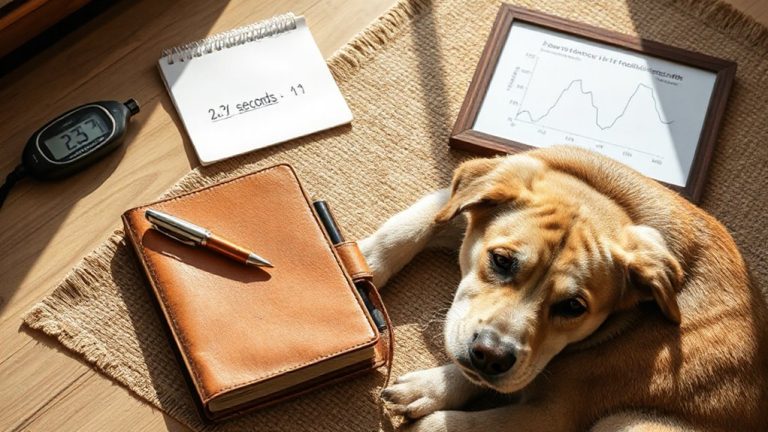
What makes a seemingly calm grooming session suddenly go awry? Sudden fear responses often stem from unnoticed stress triggers. Environmental distractions like loud appliances or unfamiliar scents can heighten anxiety. Dogs may freeze, tremble, or attempt to escape when overstimulated. These behaviors indicate acute stress, not disobedience. Grooming in a quiet, enclosed space reduces sensory overload. Use a non-slip mat to create a secure footing zone measuring at least 24″ x 16″. Maintain low lighting-below 150 lux-to minimize visual stress. Avoid sudden movements near the head. Recognize early signs: pinned ears, lip licking, or whale eye. These are precursors to reactivity. Limit session duration to 10–15 minutes initially. Record each session to review patterns in behavior. Identifying consistent triggers improves preventive planning. Environmental control and observation are key. You can’t eliminate fear responses without first isolating their causes. Incorporating proven anxiety-reducing training tools can further support your dog’s emotional regulation during sensitive grooming tasks.
Brush Your Dog’s Armpits Gently Step by Step
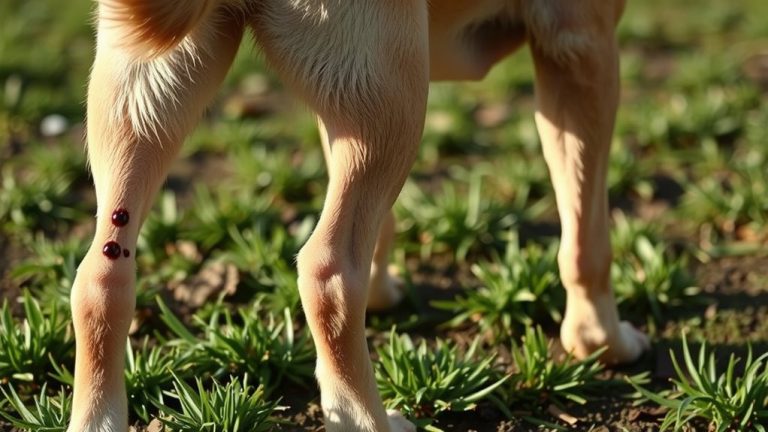
Typically, brushing your dog’s armpits requires a controlled approach to avoid triggering discomfort or resistance. Begin with armpit desensitization by lightly touching the area daily for 5–10 seconds, gradually increasing duration over 1–2 weeks. Use treats to reinforce calm behavior. When ready, apply gentle handling: lift the leg slightly with one hand while supporting the elbow. With your other hand, use a soft slicker brush at a 45-degree angle to the skin. Make short, outward strokes-no more than 1–2 inches long-to detangle without irritating. Work in 30-second intervals, checking for tension. Avoid deep pressure; apply only 2–3 ounces of force, equivalent to pressing a bathroom scale lightly with your fingertip. Stop if your dog tucks the leg or pants. Repeat 3–5 times weekly to maintain coat health and build tolerance. Consistent gentle handling reduces anxiety long-term.
Clean the Groin Area Without Causing Panic
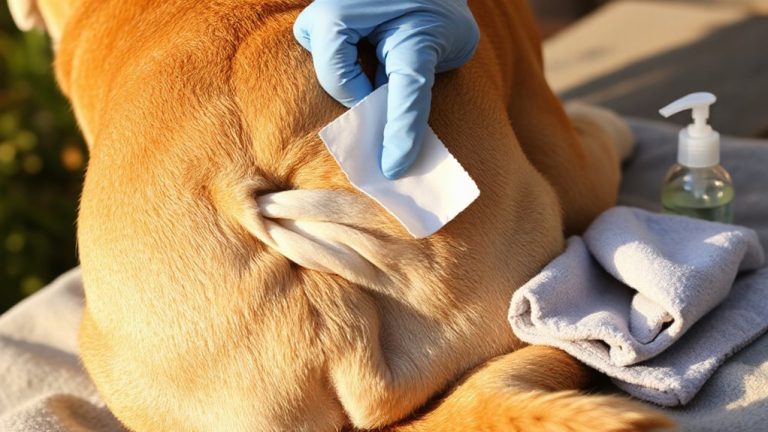
Cleaning the groin area demands the same patience and precision used when brushing the armpits, but with added attention to sensitive tissues and joint mobility. Use a soft, non-abrasive cloth moistened with a veterinarian-approved cleansing solution for gentle wiping. Avoid harsh chemicals that may disrupt the skin’s pH, which typically ranges from 6.2 to 7.5 in dogs. Lift the leg just enough to expose the area-usually 15 to 20 degrees-to minimize joint strain. Work in short motions, starting from the inner thigh toward the genital region. After cleaning, guarantee quick drying with a clean, absorbent microfiber towel to prevent moisture buildup, which can encourage bacterial growth. Complete the process in under two minutes to reduce stress. Use a single pass technique unless debris persists. Maintain consistent pressure-approximately 50 to 100 grams-to avoid triggering discomfort.
Praise Calm Behavior During Sensitive Grooming
How do you turn tense moments into opportunities for trust during sensitive grooming? Use positive reinforcement to reward calm behavior. Work in a quiet environment to minimize distractions and stress triggers. When your dog remains still during armpit or groin brushing, immediately offer praise or a small treat. This strengthens desired behaviors and builds confidence over time. Consistency is critical-repeat sessions daily for 3–5 minutes to reinforce progress.
| Behavior | Reinforcement | Outcome |
|---|---|---|
| No flinching | Verbal praise | Increased tolerance |
| Relaxed breathing | Treat reward | Lower heart rate |
| Holding position | Gentle petting | Improved cooperation |
| Quiet stance | Immediate click (if clicker-trained) | Faster learning |
Track responses to refine timing and technique. Use a soft-bristled brush (0.5–1.0 inch bristle height) to reduce irritation. Accurate reinforcement paired with controlled stimuli conditions enhances conditioning effectiveness.
On a final note
You build trust and use the right tools to groom sensitive areas safely. A soft-bristle brush with 0.5-inch nylon filaments reduces skin irritation. Short, controlled strokes prevent overstimulation. Armpits need 3–5-second passes at a 45-degree angle to avoid friction. Groin zones require silicone-tipped brushes for gentle debris removal. Praise reinforces calm behavior without rewarding anxiety. Consistency improves compliance over time.