Scheduling Seasonal Hiking Adventures as Part of a Year-Round Dog Exercise Plan
Start seasonal hikes only after a vet clears your dog for cardiovascular and orthopedic fitness, guaranteeing a body condition score of 4–5/9. In spring, begin with 1–2 mile flat hikes, increasing distance by 10% weekly. Use collapsible 12–16 oz bowls for hydration every 30 minutes. In summer, hike before 8 a.m. and use Kevlar-soled booties on surfaces above 125°F. Monitor for panting or drooling-signs of heat stress. Carry 8 oz water per 10 lbs body weight and use 16 oz silicone bowls. When temperatures drop below 50°F, add fleece with 100–200 g/m² insulation. Use a waterproof shell rated to 5,000 mm HH if wet. In winter, fit insulated neoprene boots with 5 mm thermal foam and non-slip soles. Wear a wind-resistant coat rated to -20°F with adjustable straps. Watch for shivering or slow movement-early signs of hypothermia. Keep winter outings short and sheltered. A gradual, monitored approach across seasons guarantees sustained stamina, joint health, and thermal regulation. Proper gear specs and conditioning mean your dog stays safe and strong no matter the trail-and there’s a detailed plan behind every successful hike.
Notable Insights
- Schedule hikes seasonally, starting with short spring trails and adjusting distance and gear as temperatures change.
- Perform a veterinary fitness evaluation before beginning any seasonal hiking to ensure cardiovascular and joint health.
- Increase hike length by no more than 10% weekly to prevent injury during spring and summer conditioning.
- Use protective booties and early-morning hikes in summer to shield paws and avoid heat stress in peak hours.
- In winter, limit hike duration and use insulated, waterproof gear to maintain core body temperature and paw safety.
Is Your Dog Fit for Year-Round Hiking?
How do you know if your dog can safely hike in all seasons? Start with a veterinary fitness assessment to evaluate cardiovascular endurance, muscular strength, and overall stamina. Dogs require baseline conditioning comparable to human athletes. Evaluate joint health through orthopedic exams; look for signs of dysplasia, arthritis, or ligament instability, especially in breeds prone to hip or elbow issues. Radiographic screening may be necessary. Healthy joints should have full range of motion without crepitus or pain on manipulation. Consider age, weight, and breed conformation-larger breeds often face greater joint stress. A fit dog maintains an ideal body condition score of 4–5/9, supports weight evenly across limbs, and recovers heart rate to 100 bpm within 10 minutes post-exercise. Poor recovery indicates insufficient conditioning. Prevent injury with periodic re-evaluation. Fitness isn’t static-seasonal changes demand ongoing monitoring to maintain performance and joint integrity throughout the year.
Spring Hiking With Dogs: Build Stamina Safely
When the ground thaws and trail conditions stabilize, it’s time to ease your dog back into hiking with controlled, progressive effort-especially if winter limited activity. Begin with short hikes of 1–2 miles on flat terrain to support effective trail acclimation. Gradually increase distance by no more than 10% weekly to prevent soft tissue strain. Monitor your dog’s heart rate, which should return to baseline within 10–15 minutes post-exertion. Practice strict pace management: maintain a steady, moderate speed, avoiding bursts of sprinting. Use a harness and hands-free leash to optimize control and reduce joint stress. Allow rest every 30 minutes, particularly on inclines exceeding 5% grade. Hydrate every 20–30 minutes using collapsible bowls with 12–16 oz capacity. Carry a canine first-aid kit with wound wipes, tweezers, and blister pads. Track daily progress using GPS-enabled dog collars to measure distance, pace, and recovery. For extended outings, consider bringing a portable automatic water dispenser to ensure consistent hydration access.
Summer Hiking: Prevent Heatstroke and Burns
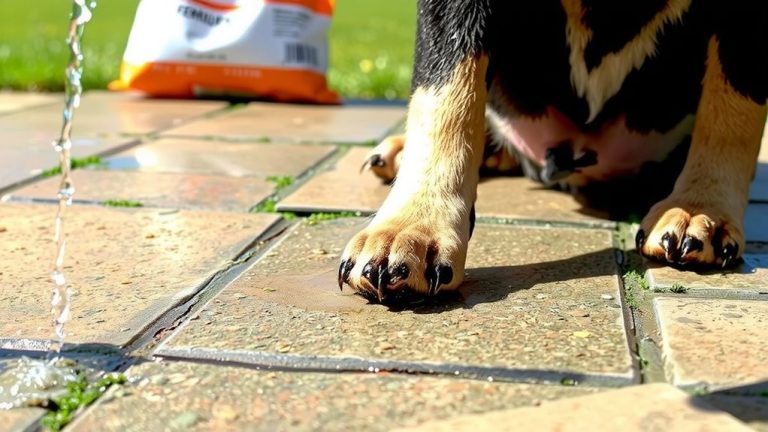
Summer heat demands strict protocols to protect your dog during hikes, especially as temperatures rise above 75°F, increasing the risk of heatstroke and paw burns. Begin hikes early, before 8 a.m., when surface temps are below 90°F. Pavement exceeding 125°F causes paw burns in 60 seconds; use booties with Kevlar soles (e.g., Ruffwear Grip Trex, 5.5 mm tread depth) for reliable paw protection. Monitor for excessive panting, drooling, or staggering-early heatstroke signs. Hydration strategies are critical: carry 8 oz of water per 10 lbs of body weight. Use collapsible silicone bowls (minimum 16 oz capacity) every 30 minutes. Core body temperature above 104°F indicates heat stress. Never leave dogs unattended in vehicles-interior temps exceed 110°F in under 10 minutes. Restrict activity during peak thermal hours (10 a.m.–4 p.m.). For optimal safety, consider investing in top outdoor gear picks for pets that provide proven protection and performance in hot conditions.
Fall Hiking With Dogs: Handle Cooling Temperatures
As temperatures drop below 50°F, your dog’s thermal regulation becomes critical during fall hikes, especially in early morning or alpine conditions. Temperature adjustment is essential; dogs lose heat faster than humans due to higher surface-area-to-volume ratios. Small breeds and short-haired dogs are especially vulnerable below 45°F. Core body temperature must remain between 100.5°F and 102.5°F for peak function. Begin monitoring for shivering or reduced activity-early signs of hypothermia. Gear selection directly impacts safety and endurance. Choose fleeces with 100–200 g/m² polyester insulation for moderate protection. Waterproof breathable shells with 5,000 mm hydrostatic head rating shield against wind and light rain. Guarantee proper fit: measure girth behind front legs and select adjustable clips. Avoid overheating by removing layers once activity increases. Acclimate your dog gradually to cooler conditions over 7–10 days to improve cold tolerance.
Winter Hiking: Protect Paws and Avoid Hypothermia
A well-prepared winter hike starts with protecting your dog’s paws and core body temperature. Proper paw insulation prevents ice buildup and chemical burns from de-icing salts. Insulated dog boots with waterproof membranes maintain traction and reduce frostbite risk. Core warmth guarantees stable circulation and reduces hypothermia risk during prolonged exposure. Use a fitted fleece-lined coat rated for sub-zero conditions to retain essential body heat. For wet winter conditions, consider a waterproof dog raincoat with sealed seams to keep your dog dry during sleet or freezing rain.
| Feature | Specification |
|---|---|
| Boot Material | Waterproof neoprene with non-slip rubber sole |
| Insulation Layer | 5mm thermal foam for paw insulation |
| Coat Temperature Rating | -20°F with wind-resistant shell |
| Fit Type | Adjustable chest and belly straps |
| Weight | 10–14 oz depending on size |
Monitor for shivering and reduced mobility-early hypothermia signs. Keep hikes short and sheltered.
On a final note
You must assess your dog’s fitness before committing to year-round hiking. Gradually build endurance over 4–6 weeks using timed walks. Monitor heart rate-normal resting is 60–100 bpm. Use booties rated for terrain abrasion and temperature extremes. Carry hydration packs with 2L capacity. Track exertion via respiration rate; over 30 breaths per minute indicates fatigue. Adjust routes using weather data to avoid thermal stress.