Recordkeeping Essentials: Tracking Response Times, Vocalizations, Tremors in Aged Pets
You should track your senior pet’s response times, vocalizations, and tremors daily using standardized logs with timestamps. Measure reaction delays beyond 1.5 seconds, log vocalization duration and decibel levels, and record tremor frequency and context. Use apps like PetLens for accurate, cloud-backed documentation. Correlate symptoms with feeding and medication times. Persistent night vocalizations or ≥3 daily tremors warrant prompt evaluation-your records could reveal critical health trends early.
Notable Insights
- Track response times to stimuli daily using a stopwatch, noting delays over 1.5 seconds as potential neurological red flags.
- Log vocalizations with timestamps, duration, and decibel levels to identify patterns linked to cognitive or sensory decline.
- Record tremor frequency, duration in seconds, and context (e.g., resting or post-activity) for at least two weeks to establish a baseline.
- Use digital tools like PetLens or VetTrack for accurate, timestamped entries and cloud-backed, error-reduced symptom tracking.
- Correlate tremor and vocalization data with feeding and medication logs to identify triggers and support clinical decision-making.
Why Tracking Changes in Aging Pets Matters
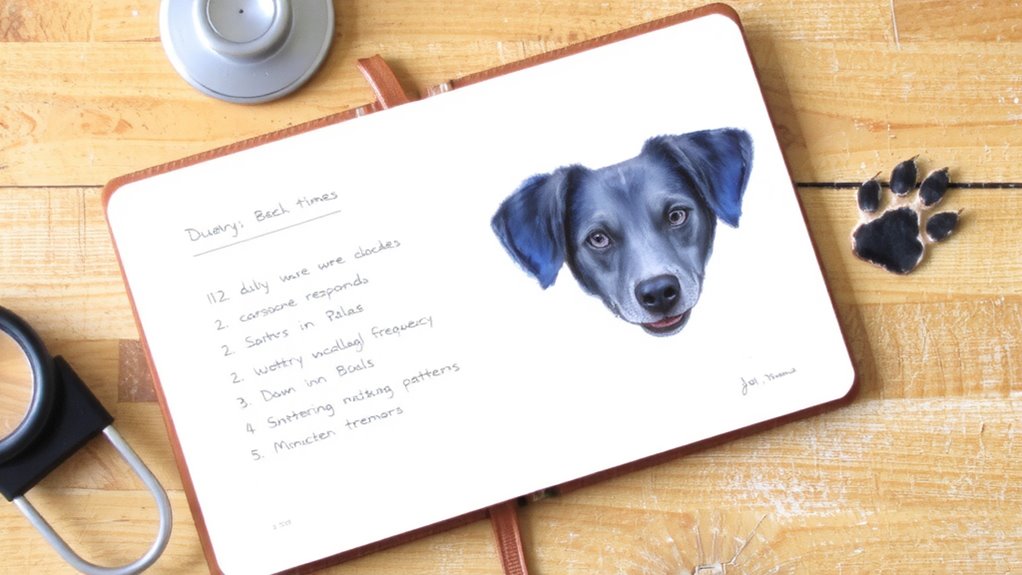
Aging pets require close monitoring, and tracking their health changes is essential. Cognitive decline can alter behavior, disrupt sleep cycles, and impair spatial awareness. You’ll notice your pet wandering aimlessly or failing to recognize familiar people. These symptoms often progress gradually, making daily logs critical for early detection. Mobility issues are equally common, with arthritis affecting over 80% of senior dogs. Look for decreased stride length, joint stiffness, or reluctance to jump-indicative of musculoskeletal degeneration. Use a standardized mobility scale, such as the Client-Specific Outcome Measures (CSOM), to quantify changes. Track time to rise, step count via pet activity monitors, and lameness duration. Recording vocalizations, posture shifts, and tremor frequency adds diagnostic depth. Consistent data enables veterinarians to differentiate between normal aging and pathology. Without documentation, subtle declines go unnoticed until they become severe. Your records become the baseline for clinical decisions, ensuring timely interventions and accurate assessments over time.
Watch for Slower Reactions in Senior Pets
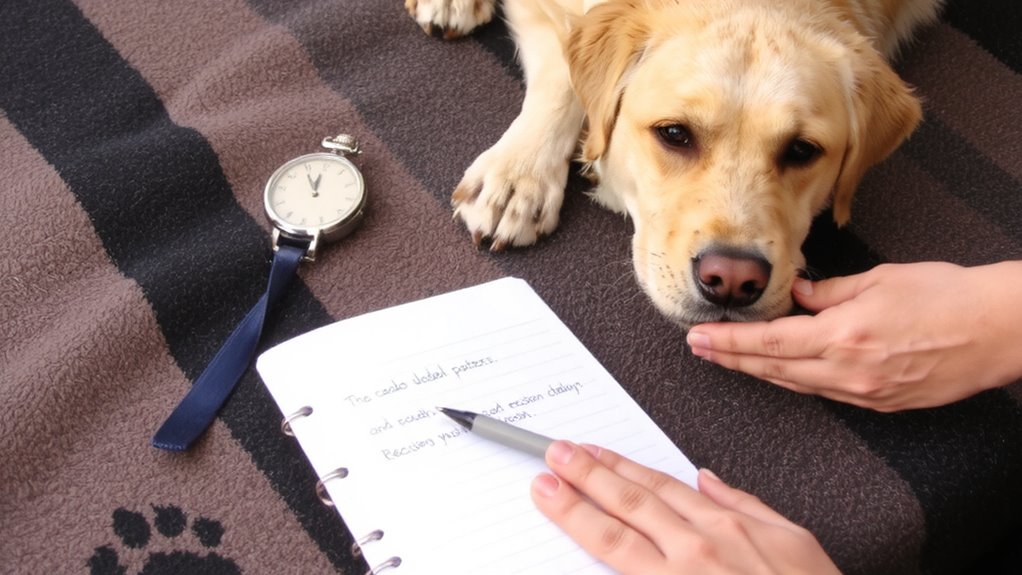
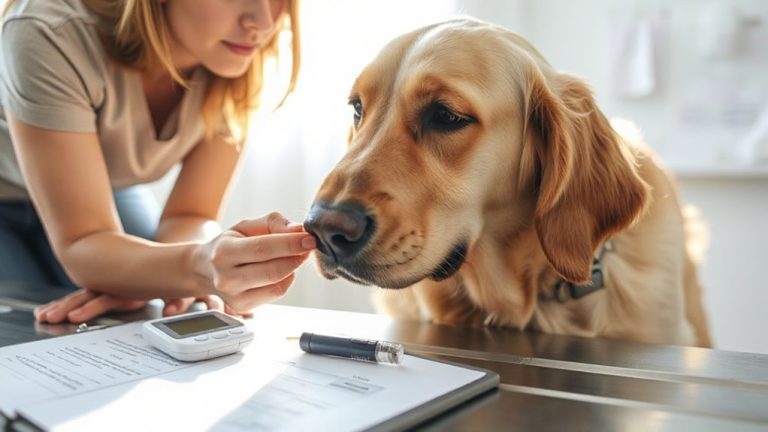
While your senior pet may seem mentally alert, slower reactions often signal underlying neurological or sensory decline that warrants close observation. Delayed responses to sound, touch, or visual cues can indicate sensory loss, particularly in hearing or vision. You might notice a lag of 2–3 seconds in reaction time compared to younger animals. Cognitive decline may manifest as delayed recognition of familiar commands or people. Use a stopwatch during daily interactions to measure response intervals accurately. Document changes weekly. Normal reaction time in healthy adult pets is under 1 second; over 1.5 seconds in seniors raises concern. Sensory loss often progresses gradually but can accelerate. Early tracking helps differentiate normal aging from treatable conditions. Consistent monitoring provides critical data for veterinarians evaluating neurological function. Record each observation with date, stimulus type, and response duration. Wearable pet health trackers for puppies can also assist in monitoring subtle changes in activity and response patterns over time.
Is Your Older Pet Making New Noises?
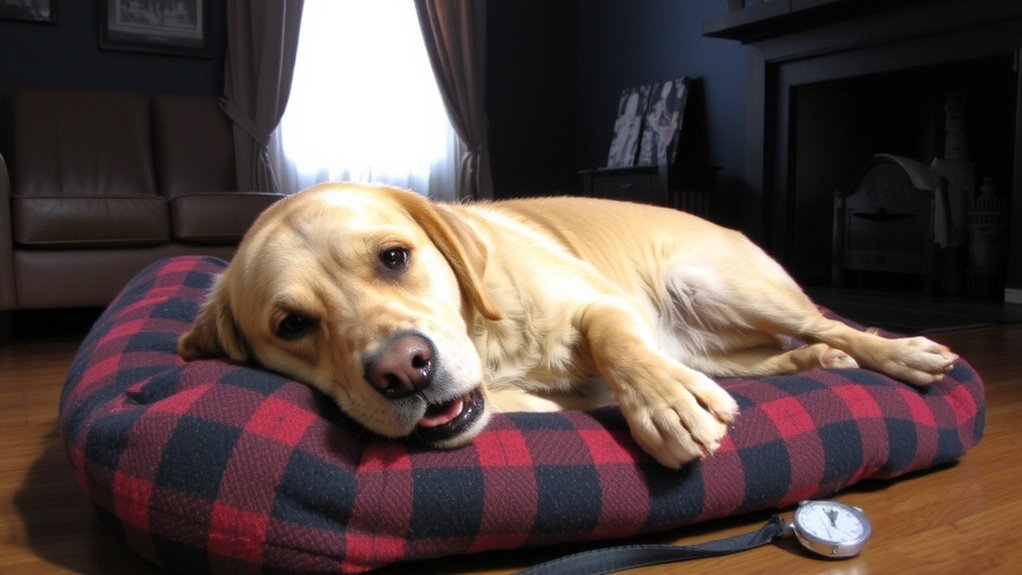
Have you noticed your older pet producing sounds they never made before? New vocalizations in senior pets can signal underlying medical or behavioral changes. Nocturnal vocalizations-sounds emitted during nighttime hours-are common in aging animals, often linked to cognitive decline or sensory impairment. These vocalizations may include repetitive meowing, howling, or barking between 2 AM and 4 AM. Document their frequency, duration, and context to assist your veterinarian. Food related whining, defined as high-pitched, persistent vocalizations during feeding times, may reflect anticipation or discomfort. Distinguish normal hunger cues from abnormal patterns indicating gastrointestinal distress or metabolic imbalance. Record onset time, sound type, and triggering activities. Use a standardized log to track decibel levels and duration, ideally with timestamps. Consistent noise tracking enhances diagnostic accuracy, enabling timely intervention.
Why Is My Senior Pet Trembling?
What could cause your senior pet to tremble, and when should you be concerned? Tremors in older pets often stem from age-related conditions like muscle weakness or nerve degeneration. These physiological changes reduce motor control and stability. Below are common causes:
| Cause | Associated Signs | Underlying Mechanism |
|---|---|---|
| Muscle weakness | Shaking during standing or walking | Loss of muscle mass and strength |
| Nerve degeneration | Involuntary limb tremors | Demyelination or axonal loss in nerves |
| Pain or arthritis | Trembling when moving | Discomfort triggering neuromuscular response |
Tremors due to nerve degeneration often start in one limb and progress. Muscle weakness usually appears symmetrically. Brief trembling in cold or excitement is normal. Persistent or worsening tremors warrant veterinary evaluation. Diagnostics may include neurological exams or blood panels. Early documentation helps monitor progression and guide treatment. Address underlying conditions promptly to maintain mobility and comfort. Monitoring your pet’s behavior over time can be supported by using a pet camera to record episodes when you’re not home.
Easy Tools to Track Symptoms Every Day
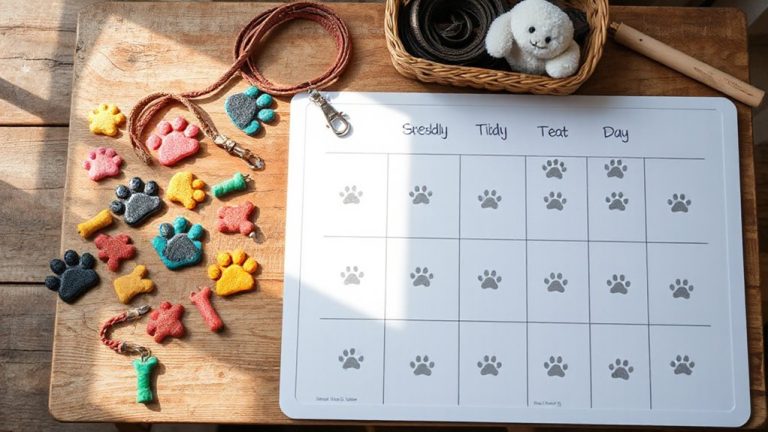
Recording your senior pet’s symptoms daily gives you a clear picture of their health trends, especially when tremors or mobility issues arise. Symptom logging helps detect subtle shifts in behavior patterns critical for early intervention. Use a dedicated notebook or digital app designed for pet health tracking. Ideal tools feature timestamped entries, customizable fields for tremor frequency (e.g., episodes per hour), vocalization duration (in seconds), and response time to stimuli (measured in milliseconds). Apps like PetLens or VetTrack offer cloud backup, data export, and calendar synchronization. Record observations at consistent times daily-morning and evening-for accuracy. Note variables like medication times, food intake, and activity levels. Digital tools reduce human error by 40% compared to paper logs. Consistent tracking increases diagnostic precision. Your records become measurable datasets veterinarians use to assess progression. This methodical approach guarantees clinical decisions rely on reliable evidence, not memory. Top vet-recommended pet health trackers integrate seamlessly with veterinary workflows to enhance long-term monitoring.
When Your Notes Mean It’s Vet Time
How do you know when routine tracking crosses into urgent care? Your records reveal patterns that demand immediate veterinary evaluation. Documented signs like unexplained weight loss, sudden behavior shifts, or consistent abnormalities in tremors and vocalizations indicate underlying pathology. These aren’t fluctuations-they’re clinical signals. Consider this:
| Symptom | Frequency Threshold | Action Required |
|---|---|---|
| Tremors | ≥3 episodes/day | Call vet within 24 hrs |
| Vocalizations at night | >50% of nights | Schedule urgent eval |
| Unexplained weight loss | >10% body weight/month | Immediate assessment |
| Sudden behavior shifts | Observable daily | Same-day consultation |
Unexplained weight loss exceeding 10% monthly correlates with metabolic, neoplastic, or renal disease. Sudden behavior shifts may reflect CNS decline or pain. Your notes aren’t just logs-they’re diagnostic tools. When thresholds are met, delay risks prognosis. Cross-reference entries daily. Act decisively. Your pet’s health timeline depends on timely interpretation and response.
Make Daily Tracking a Simple Habit
While consistency in monitoring your pet’s condition may seem tedious, it’s the foundation of early medical detection. Begin each day with Morning observations: check response times to auditory stimuli, note mobility stiffness on a 1–10 scale, and record any vocalizations during movement. Use a standardized log with timed entries to guarantee accuracy. These observations detect subtle neurological or musculoskeletal shifts. Follow with Evening updates: document tremor frequency, duration in seconds, and context (e.g., resting or post-activity). Pair updates with feeding and medication logs for correlation analysis. Track data for at least two weeks to establish a baseline. Digital apps with timestamping and cloud backup reduce human error. Consistent tracking creates a longitudinal health profile. This enables veterinarians to identify progression patterns, adjust treatment plans, and intervene before conditions escalate. Discipline in daily documentation directly improves diagnostic precision and care outcomes.
On a final note
You must track your pet’s response times, vocalizations, and tremors systematically. Use a daily log to record onset, duration, and intensity-note if reaction delays exceed 2 seconds. Document vocalizations with time stamps and context. Use a 0–5 scale for tremor severity, where 3 indicates persistent shaking during rest. These metrics provide objective data. Share records with your vet. Consistent monitoring detects subtle neurological or musculoskeletal decline early. Timely intervention improves outcomes.