The Link Between Obesity and Canine Diabetes: Prevention Through Diet
Obesity increases your dog’s risk of diabetes by promoting insulin resistance through inflammatory fat tissue. Excess visceral fat disrupts glucose metabolism, straining pancreatic beta cells over time. Feeding a low-glycemic diet-like barley (GI 28) or oats (GI 55)-reduces blood sugar spikes by up to 40%. Portion control based on ideal body weight and limiting treats to 10% of daily calories supports metabolic health. A structured meal plan using fiber-rich, measured meals helps prevent disease progression-key details follow.
Notable Insights
- Obesity causes insulin resistance in dogs through inflammatory molecules released by fat tissue.
- Excess visceral fat disrupts metabolic function, increasing the risk of pancreatic beta cell failure.
- High-glycemic diets contribute to blood sugar spikes and chronic insulin overproduction, worsening diabetes risk.
- Feeding low-glycemic foods like barley, oats, and green beans helps stabilize glucose and improve insulin sensitivity.
- Portion control, measured meals, and limiting treats to 10% of calories prevent obesity and support diabetes prevention.
Spot the Signs of an Overweight Dog
How do you know if your dog is carrying excess weight? Assess your dog’s body condition score (BCS), a standardized 9-point scale where 4–5 is ideal. If you can’t feel ribs without pressing through fat, or notice no waist when viewed from above, your dog may score 6 or higher. Poor exercise habits contribute markedly-less than 30 minutes of daily activity increases risk. Observe your dog from the side: a tucked abdomen is normal; a straight or sagging underline indicates excess. Overweight dogs often tire quickly during walks. Body condition directly reflects energy balance-caloric intake exceeding expenditure leads to fat accumulation. Use breed-specific weight charts, but prioritize physical assessment over numbers. Regular BCS evaluations, combined with consistent, moderate-intensity exercise habits like brisk walking or fetch, maintain ideal condition. Early detection prevents progression to obesity, reducing long-term health risks.
How Obesity Leads to Diabetes in Dogs
While excess weight alone doesn’t directly cause diabetes in dogs, it greatly increases the risk by promoting insulin resistance. Fat tissue in obese dogs releases inflammatory molecules, leading to metabolic inflammation that disrupts normal glucose processing. This chronic condition impairs insulin signaling, forcing cells to respond poorly to the hormone. As insulin resistance worsens, your dog’s pancreas must produce more insulin to compensate. This demand creates pancreatic stress, overworking beta cells responsible for insulin synthesis. Prolonged strain may lead to beta cell dysfunction or failure, reducing insulin output. When insulin levels drop too low, blood glucose remains elevated, triggering type 2 diabetes. Metabolic inflammation also damages insulin receptors, compounding the problem. Excess body fat, especially visceral fat, acts as an active endocrine organ, worsening systemic dysfunction. Preventing obesity reduces these risks considerably. Incorporating a high-fiber diet can support healthy weight management, and selecting one of the best high-fiber dog foods may help regulate glucose absorption and improve satiety.
How Diet Affects Insulin and Diabetes Risk
Excess body fat sets the stage for metabolic disruption, but the food you feed your dog plays a direct role in shaping insulin activity and long-term diabetes risk. Diets high in simple carbohydrates cause rapid blood sugar spikes, forcing the pancreas to release more insulin. Over time, this demand contributes to insulin resistance, where cells fail to respond properly. Insulin resistance impairs glucose uptake, leaving sugar elevated in the bloodstream. You can measure this shift through fasting glucose tests and insulin assays. Chronic exposure to high-glycemic foods worsens metabolic strain, even in lean dogs. Fiber content, macronutrient balance, and digestibility directly influence glucose absorption rates. Low-glycemic diets reduce post-meal glucose peaks by up to 40% compared to standard kibble. You’ll see improved insulin sensitivity when feeding balanced, species-appropriate meals. Preventing blood sugar spikes isn’t just about weight-it’s about metabolic precision.
Low-Glycemic Foods That Prevent Diabetes
A well-formulated low-glycemic diet can markedly reduce your dog’s risk of developing diabetes by stabilizing blood glucose levels. Choosing fiber rich meals slows carbohydrate digestion and minimizes insulin spikes. You should prioritize complex carbs and natural ingredients to maintain long-term metabolic health. Low glycemic snacks support steady energy release and improve satiety, reducing overeating risks.
| Food Type | Glycemic Index (GI) |
|---|---|
| Barley | 28 |
| Green beans | 30 |
| Sweet potato (cooked) | 48 |
| Oats | 55 |
These fiber rich meals and low glycemic snacks provide sustained nutrition. Barley’s beta-glucans enhance insulin sensitivity. Green beans supply insoluble fiber, aiding digestion. Sweet potatoes offer vitamin A and moderate GI. Oats contain soluble fiber, reducing glucose absorption. Consistent use helps maintain lean body mass and metabolic stability. You’re not just feeding your dog-you’re preventing disease at the cellular level. Precision in food choice equals long-term health gains.
How Much to Feed Your Dog Daily?
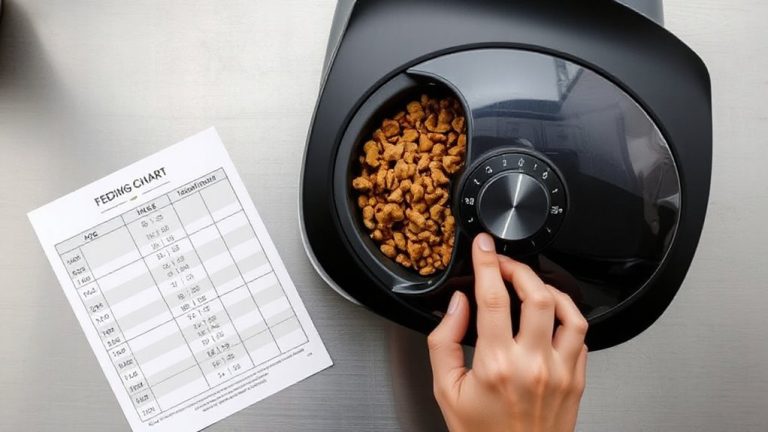
Since your dog’s energy needs depend on size, age, and activity level, calculating daily food intake requires a tailored approach. Portion control is critical to preventing obesity, a leading risk factor for canine diabetes. Feed your dog according to its ideal body weight, not current weight if overweight. For most adult dogs, feeding frequency should be two meals per day to regulate blood glucose. Puppies may need three to four smaller meals. Use a standard 8-ounce measuring cup or kitchen scale for accuracy-eyeballing leads to overfeeding. Dry kibble diets typically require 150–200 kcal per 10 lbs of body weight daily, adjusted for activity. Active dogs may need up to 300 kcal per 10 lbs. Senior or sedentary dogs require fewer calories-closer to 130 kcal per 10 lbs. Monitor weight monthly and adjust portions accordingly. Consistent feeding frequency and precise portion control support metabolic health and help prevent diabetes.
Treats That Help Prevent Diabetes in Dogs
While managing your dog’s diet, choosing the right treats plays a crucial role in reducing the risk of diabetes. Opt for healthy snacks low in sugar and fat, such as freeze-dried liver or green beans. These contain minimal carbohydrates, helping maintain stable blood glucose levels. Treats should compose no more than 10% of your dog’s daily caloric intake to guarantee proper portion control. For a 20-pound dog, that’s roughly 25–30 calories per day from treats. High-fiber options like pumpkin or carrot sticks slow glucose absorption, reducing insulin spikes. Avoid processed treats with added sugars or fillers like corn syrup. Always read labels-look for treats with identifiable protein sources and less than 5% fat content. Consistent portion control with nutrient-dense, low-glycemic snacks supports metabolic health. You’re not just rewarding your dog-you’re actively preventing disease through smart, measurable dietary choices.
Meal Plan for Dogs at Risk of Diabetes
Your dog’s daily meal plan shapes their metabolic future, especially when they’re at risk for diabetes. Portion control is essential to prevent weight gain and insulin resistance. Feed measured meals twice daily, adjusting portions based on weight, activity, and vet guidelines. Balanced nutrition supports stable blood glucose and long-term health.
| Meal Component | Recommended Amount |
|---|---|
| High-quality protein | 40–50% of daily calories |
| Complex carbohydrates | 25–30% of daily calories |
| Healthy fats | 10–15% of daily calories |
| Fiber | 4–7% of diet (dry matter basis) |
| Water | Unlimited access, fresh daily |
Use a kitchen scale for accuracy. Avoid free-feeding. Choose vet-approved diabetic or weight-management formulas with low glycemic ingredients. Balanced nutrition includes controlled macronutrient ratios and consistent meal timing. This structured approach improves insulin sensitivity. Portion control isn’t restrictive-it’s preventive.
On a final note
You can substantially reduce your dog’s diabetes risk with proper diet and weight management. Obesity impairs insulin sensitivity, increasing blood glucose. Feeding a low-glycemic diet-high in fiber (5–10% dry matter), moderate in protein (20–25%), and low in fat (<12%)-stabilizes glucose. Measure portions: feed 2–3% of ideal body weight daily. Choose treats with minimal simple carbohydrates. Consistency and precision in nutrition prevent metabolic dysfunction, much like maintaining engine efficiency with clean fuel.