DIY Pet First Aid Kit: Customizing for Dogs, Cats, and Small Mammals
You need a customized DIY pet first aid kit because dogs, cats, and small mammals have unique care requirements. Include chlorhexidine solution (0.05%) and a muzzle for dogs, non-alcohol chlorhexidine wipes (0.01%) for cats, and temperature-controlled housing for rabbits (60–68°F) or chinchillas (60–70°F). Use sterile gauze (4×4 inches), adhesive tape, and a digital thermometer (±0.2°F accuracy). Proper handling, species-specific supplies, and precise storage guarantee readiness-key details await to refine your approach.
Notable Insights
- Customize first aid supplies for dogs with chlorhexidine solution, tweezers, and a muzzle for safe wound care and handling.
- Use non-alcohol chlorhexidine wipes and small non-adherent pads for cats to prevent toxicity and reduce stress during treatment.
- Include species-specific temperature support and quiet, secure housing for small mammals like rabbits and chinchillas in emergency care.
- Equip dog kits with larger gauze and adhesive tape to secure dressings on bigger, more active animals.
- Store all kits in labeled, waterproof containers with silica gel and rotate supplies every six months to maintain readiness.
Essential Supplies for Any DIY Pet First Aid Kit
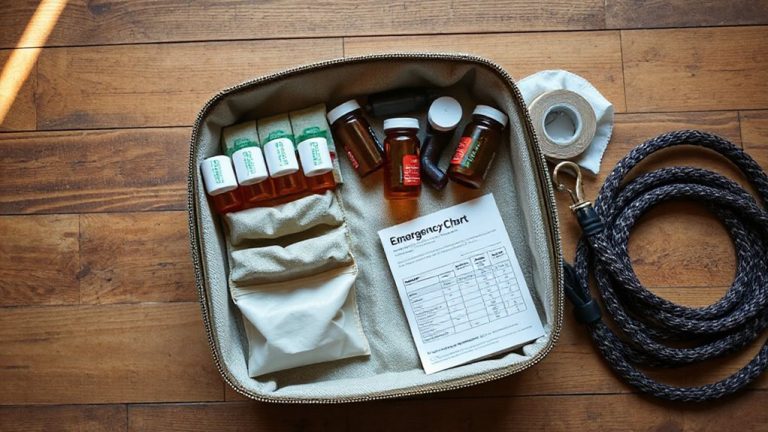
A well-stocked DIY pet first aid kit starts with a core set of essential supplies designed to handle common injuries and medical emergencies. You need sterile gauze pads (4×4 inches, 12-count) and adhesive tape (2.5 cm wide) to control bleeding and secure dressings. Include blunt-tipped scissors for safe fabric and bandage cutting. A digital thermometer (range: 32–43°C) guarantees accurate temperature readings, critical for early illness detection. Antiseptic wipes (benzalkonium chloride-based) prevent infection in minor wounds. Add a nylon leash (1.5 m), muzzle, and CPR face shield for restraint and resuscitation. Latex-free gloves (pair of 5) maintain hygiene. These items support pet safety during trauma or illness. Emergency preparedness means including a first aid manual, emergency contact list, and 48-hour medication supply. Store everything in a waterproof, labeled container. This universal kit foundation applies to all pets. For added convenience, consider selecting one of the best vet-approved pet travel first aid kits available on the market.
Customizing Your DIY Pet First Aid Kit for Dogs
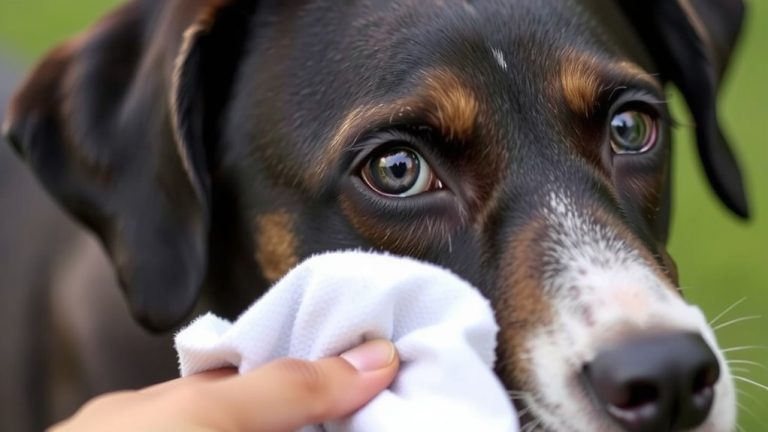
Now that you’ve assembled the foundational supplies for a universal pet first aid kit, it’s time to tailor it to your dog’s specific needs. Dogs require robust wound care supplies due to their active lifestyles and higher risk of cuts, scrapes, and paw injuries. Include sterile gauze pads (4×4 inches, 10-count), adhesive tape (2-inch roll), and a veterinarian-approved antiseptic solution like chlorhexidine (0.05% concentration) for effective cleaning. Emergency preparedness means adding a digital thermometer (range: 90–110°F), tweezers for splinter removal, and a muzzle to prevent biting during treatment. Regularly replacing your pet’s water fountain filter replacement schedule can help maintain hydration and overall health, especially during recovery from injuries.
| Item | Purpose | Quantity |
|---|---|---|
| Non-adherent pads | Wound care for lacerations | 5 |
| Liquid bandage | Seals small cuts | 1 bottle |
| Emergency blanket | Thermal regulation | 1 |
Store all items in a waterproof container and inspect every three months.
Customizing Your DIY Pet First Aid Kit for Cats
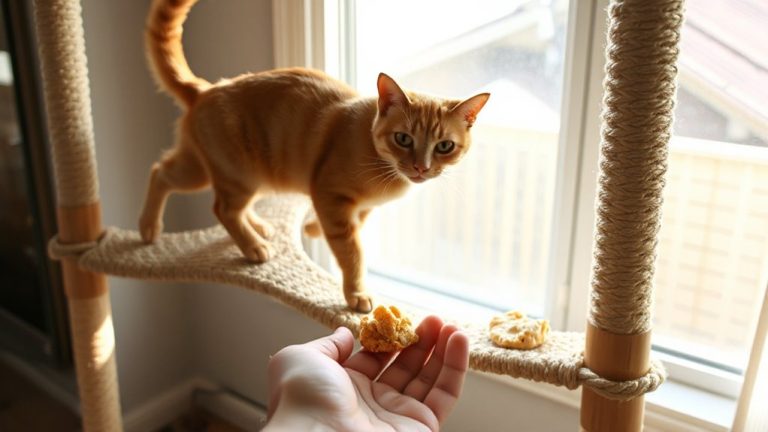
Why do cats need a separate first aid kit from dogs? Cat behavior differs considerably, requiring species-specific injury prevention and supplies. Cats groom meticulously, so avoid toxic ointments; include non-alcohol wound wipes (e.g., 0.01% chlorhexidine) to prevent ingestion risks. Use a 1-inch non-adherent pad for small lacerations and sterile gauze (2” x 4”) secured with self-adhering wrap (1” width), minimizing restraint time. Include a digital thermometer (range: 90–108°F; accuracy ±0.2°F) for quick fever detection. Add nail trimmers with a 3-mm guard to prevent overcutting. Incorporate a feline-safe antiseptic spray with benzalkonium chloride (0.05%). Store all items in a soft, insulated 8” x 6” case. Size matters-compact kits reduce stress during handling. Prioritize materials that address routine injuries from climbing or hiding. These specifications enhance response efficiency and align with feline physiology and natural behavior. For added preparedness, consider including essential items recommended in Top Pet First Aid Kits – Expert Picks & Buying Tips.
Special Considerations for Small Mammals
Though their size may suggest simplicity, small mammals like rabbits, guinea pigs, and hamsters demand precise first aid planning due to their high metabolic rates and sensitivity to stress. Proper Handling techniques are critical-you must support their entire body to prevent injury. Never grab a small mammal by the tail or limbs. Emergency housing should be quiet, warm (65–75°F), and escape-proof, lined with soft, non-loose-weave fabric to prevent entanglement. Use this reference table:
| Species | Handling Technique | Emergency Housing Temp |
|---|---|---|
| Rabbit | Support hindquarters firmly | 60–68°F |
| Guinea Pig | Cup with both hands | 65–75°F |
| Hamster | Scoop gently, no sudden moves | 68–72°F |
| Chinchilla | Firm but gentle grip | 60–70°F |
Include species-specific thermal needs and stress reduction in your preparations.
How to Assemble and Store Your DIY Pet First Aid Kit
A well-organized container serves as the foundation of your pet’s first aid kit. Choose a durable, waterproof plastic bin measuring at least 8” x 6” x 3” for maximum storage solutions. Label it clearly and keep it in a climate-controlled, easily accessible location-never in a car or damp basement. For assembly tips, start by lining the container with foam dividers or small resealable bags to separate items. Place heavy-duty items like gauze rolls (3” and 4” widths), adhesive tape (2.5 yards, hypoallergenic), and a digital thermometer at the bottom. Insert tweezers, scissors with blunt tips, and a 3 cc syringe toward the top for quick access. Include a printed emergency guide and contact list. Seal medications in moisture-proof wrappers. Use silica gel packets to minimize humidity. Rotate contents every six months to maintain efficacy. Keep a separate kit for each pet species if housing dogs, cats, and small mammals.
On a final note
Your DIY pet first aid kit guarantees rapid response during emergencies. Include gauze (4” x 4” pads and 2” roll), adhesive tape (1”), digital thermometer (±0.1°C accuracy), and hemostatic clotting powder. Customize for dogs with larger bandages and paw wax. For cats, add small wound wipes and a calming pheromone swab. Small mammals need 1 mL syringes and electrolyte powder. Store contents in a 6” x 8” waterproof container with compartmentalized dividers.