How to Support Your Pet’s Recovery After Gland Surgery
Keep your pet from licking the incision by using a 12–16 inch Elizabethan collar and applying bitter spray with 0.01% denatonium benzo mucosal for 15 seconds. Clean the site daily with sterile saline wipes, wiping outward from the center. Administer antibiotics every 12 hours precisely, using a calibrated syringe. Restrict activity in a 4 ft x 6 ft area and monitor for redness, swelling, or yellow-green discharge. Proper care supports faster, safer healing.
Notable Insights
- Use an Elizabethan collar and bitter spray to prevent licking and chewing at the surgical site.
- Clean the incision daily with sterile saline and allow it to air-dry before applying healing cream.
- Administer antibiotics, pain relievers, and anti-inflammatories exactly as prescribed and on schedule.
- Restrict activity using a crate or pen and avoid stairs, slips, and off-leash movement.
- Monitor twice daily for signs of infection, swelling, or discharge and contact your vet if concerns arise.
Stop Licking and Chewing After Gland Surgery
One essential step in your pet’s recovery after gland surgery is preventing licking and chewing at the surgical site. An Elizabethan collar creates a physical barrier, typically made of rigid plastic, 12 to 16 inches in diameter, designed to restrict head rotation. It should fit snugly but allow two fingers between the collar and neck. Position it so the rim extends beyond the nose when the head is forward. Alternatively, apply a bitter spray containing denatonium benzoate, the most bitter substance known, effective at concentrations as low as 0.01%. Spray it on the incision site and surrounding fur, reapplying every 4 to 6 hours or after moisture exposure. Bitter sprays deter 85% of pets within 15 seconds of contact. Combined use of an Elizabethan collar and bitter spray increases compliance and reduces self-trauma markedly. For optimal results, consider using one of the best anti-chew sprays for dogs that are specifically formulated for post-surgical care.
Clean the Surgical Site Safely Every Day
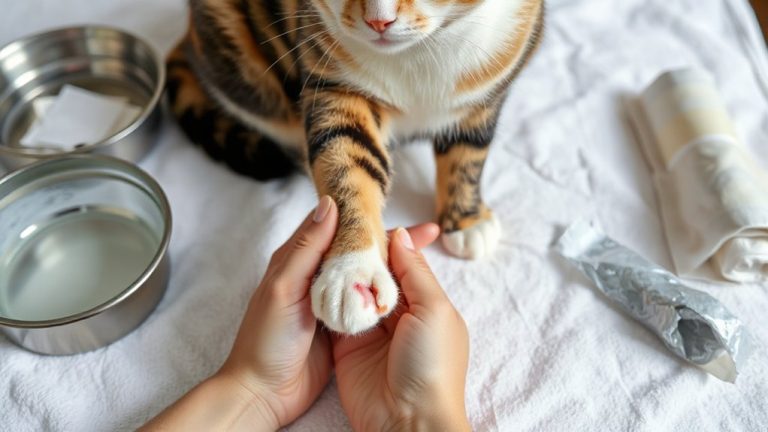
Clean the surgical site daily using sterile technique to prevent infection and promote proper healing. Use sterile surgical wipes moistened with sterile saline to gently remove debris. Avoid alcohol-based solutions, as they can damage delicate tissue. Hold the wipe with clean gloves and cleanse in one direction, from incision center outward, minimizing contamination. Allow the area to air-dry completely before applying any topical treatment. Apply veterinarian-approved healing creams in a thin 1/8-inch layer directly to the wound surface. These creams often contain antimicrobial agents like silver sulfadiazine or regenerative compounds such as dexpanthenol to accelerate tissue repair. Repeat this process once every 24 hours unless otherwise directed. Over-cleaning can impair granulation, so stick to daily care. Monitor for redness, swelling, or discharge. Keep the surrounding fur clipped short to reduce bacterial harborage.
Give Medications Exactly as Prescribed
Now that you’ve established a consistent routine for keeping the surgical site clean, it’s equally important to manage your pet’s medications with strict adherence to your veterinarian’s instructions. Medication timing and dosage accuracy are critical to preventing complications and ensuring effective treatment. Administer each dose at the scheduled interval-deviations greater than one hour can reduce therapeutic blood levels by up to 30%. Use a calibrated oral syringe for liquid medications to achieve dosage accuracy within ±0.1 mL. Never adjust dosages without veterinary approval.
| Medication Type | Frequency | Volume/Dose |
|---|---|---|
| Antibiotic | Every 12 hrs | 0.5 mL |
| Pain Reliever | Every 8 hrs | 1 tablet |
| Anti-inflammatory | Every 24 hrs | 0.3 mL |
Restrict Activity for Faster Healing
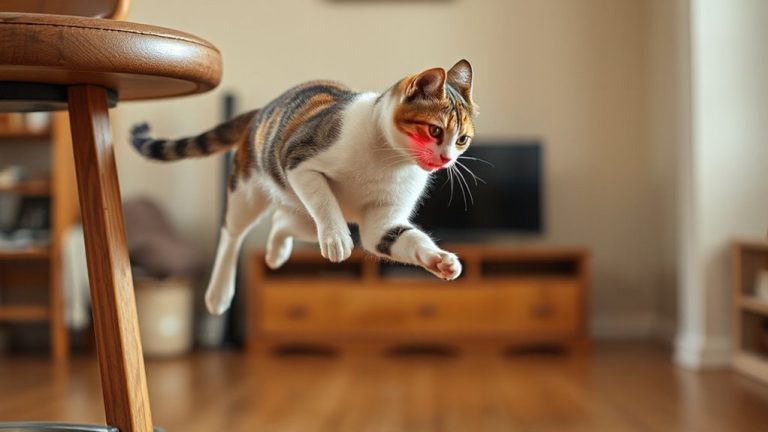
While your pet may seem keen to resume normal activities, limiting movement is essential to prevent strain on the surgical site and reduce the risk of dehiscence. Restricted movement helps maintain suture integrity during the critical first 10–14 days post-surgery. Confine your pet to a small, safe area, ideally no larger than 4 feet by 6 feet, to minimize jumping, running, or twisting. Enforce rest periods every 2–3 hours to guarantee uninterrupted healing. Use a short leash (maximum 3 feet) for bathroom breaks-never allow off-leash activity. Avoid stairs and slippery surfaces. A crate or exercise pen provides ideal containment. Activity restriction directly correlates with reduced inflammation and lower complication rates. Follow your vet’s timeline strictly. Premature resumption of normal activity increases the likelihood of seroma formation and delayed wound closure. Adherence guarantees ideal tissue repair.
Feed Nutrient-Dense Foods to Aid Recovery
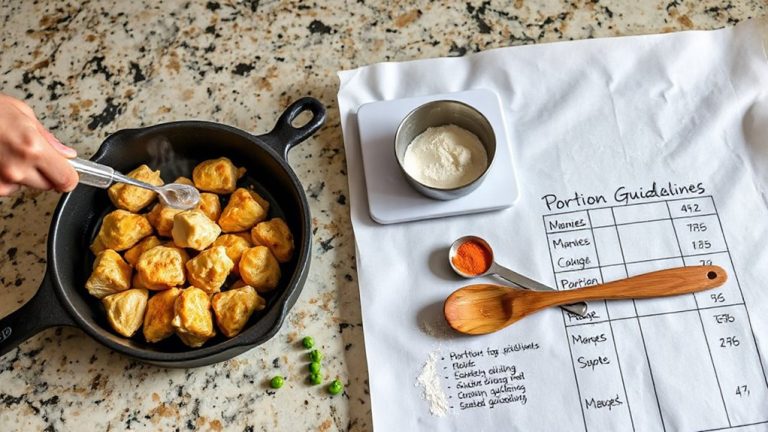
Proper nutrition plays a key role in tissue repair and immune support following gland surgery, building on the healing environment you’ve created through activity restriction. Feed your pet highly digestible, nutrient-dense foods rich in high-quality protein-look for named meat sources like chicken or salmon as the first ingredient. These support collagen formation and cell regeneration. Include omega-3 fatty acids (EPA and DHA), which reduce post-operative inflammation; aim for 200–400 mg combined per 10 lbs of body weight daily. Guarantee digestion support with prebiotic fibers like FOS and easily fermentable fibers such as pumpkin or psyllium. Hydration importance cannot be overstated-water maintains mucosal lining function and aids nutrient transport. Offer fresh water hourly; for picky drinkers, add low-sodium broth. Wet food diets (70–80% moisture) help meet fluid needs. Avoid high-fat or spicy treats that could irritate the surgical site or disrupt metabolism. For optimal recovery, consider switching to one of the best dog food picks recommended for post-surgical care.
Watch for Infection and Other Warning Signs
How quickly can you catch a problem before it becomes serious? Early detection hinges on daily swelling assessment and drainage monitoring. Check the surgical site twice daily for increased redness, heat, or firmness. Normal post-op swelling should decrease by day three. Measure the area with a ruler; any expansion beyond initial parameters warrants a vet call. Drainage monitoring is equally critical. Slight serous fluid in the first 24–48 hours is expected. However, yellow, green, or foul-smelling discharge indicates infection. Blood-tinged fluid should diminish steadily. Use clean gauze to gently dab the site, noting volume and color. Persistent or excessive drainage demands immediate attention. Avoid touching the incision with bare hands. Use gloves during checks. Signs like lethargy, fever, or appetite loss compound concern. Prompt action preserves healing integrity.
On a final note
You must prevent your pet from licking or chewing the surgical site. Use an Elizabethan collar if necessary. Clean the area daily with a vet-approved antiseptic, like chlorhexidine solution (0.05%–0.1%). Administer all medications-antibiotics, pain relievers-exactly as prescribed. Limit activity: confine your pet to reduce movement for 7–10 days. Feed high-protein, nutrient-dense food to support tissue repair. Monitor for redness, swelling, discharge, or fever-signs of infection.