How to Introduce Scent Tracking to Dogs With Low Drive
Start by using your dog’s favorite toy to build positive reinforcement during brief 5–7 minute sessions. Pair it with a high-value scent like anise or fish oil, selected through preference testing with cotton swabs. Train in a quiet, familiar space with minimal distractions and noise under 45 dB. Place the scented treat just 12 inches away for an immediate win. Reward correct behavior within two seconds. Consistency in timing, location, and stimuli builds reliability-further refinements can enhance even the weakest drive.
Notable Insights
- Start with your dog’s favorite toy to build motivation and reward interest in scent work.
- Choose a highly appealing, food-based scent like anise or fish oil through preference testing.
- Train in a quiet, familiar space with minimal distractions to reduce stress and boost focus.
- Make the first searches extremely easy by placing scent directly on a high-value treat within inches.
- Keep sessions under 5 minutes and end after one success to maintain enthusiasm and confidence.
Start With What Your Dog Loves
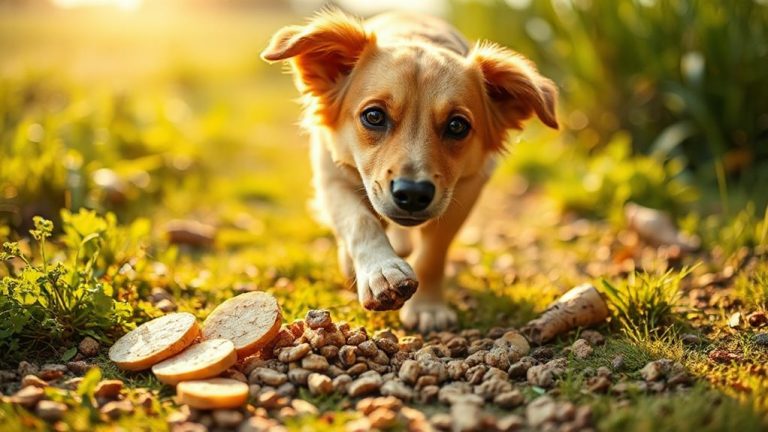
Motivation is the foundation of successful scent training, especially for dogs with low drive. You must leverage what your dog already values to create reliable engagement. Begin with your dog’s favorite toys, using them as positive reinforcement during early sessions. Introduce short tracking sequences ending in toy access, establishing a clear cause-and-effect relationship. Gradually pair these toys with tactile cues or markers to signal correct behavior. Supplement with high-value, tasty treats-preferably soft, aromatic ones like freeze-dried liver-to sustain attention. Use treats weighing under 0.25 ounces to minimize satiation. Deliver rewards within 1.5 seconds of target behavior for ideal conditioning. Limit session length to 5–7 minutes to maintain mental sharpness. Rotate stimuli every three sessions to prevent habituation. Consistent pairing of effort with reward builds neural associations critical to sustained tracking performance, even in minimally driven dogs. For picky eaters or dogs needing extra motivation, consider trying top-rated training treats that are specifically formulated for high palatability and quick consumption.
Pick a Scent They Can’t Resist
You’ve already identified what drives your dog-now it’s time to channel that energy into a specific, detectable target. Scent selection is critical for dogs with low drive; choose odors linked to high-value rewards. Use preference testing to determine which scents elicit sustained interest. Present three to five non-toxic, food-based odors-such as anise, clove, or fish oil-on separate cotton swabs. Allow your dog to investigate each for 10–15 seconds, recording sniff duration and alert behaviors. Repeat testing over two to three sessions to guarantee consistency. Opt for the scent producing the longest orientation time and clearest focus. These objective metrics indicate olfactory preference. A strong preference increases attention during tracking exercises. Select one target scent and use it exclusively during initial training to build odor recognition. Consistency in scent selection strengthens associative learning and improves detection reliability. Avoid switching scents mid-training.
Train in a Calm, Familiar Spot
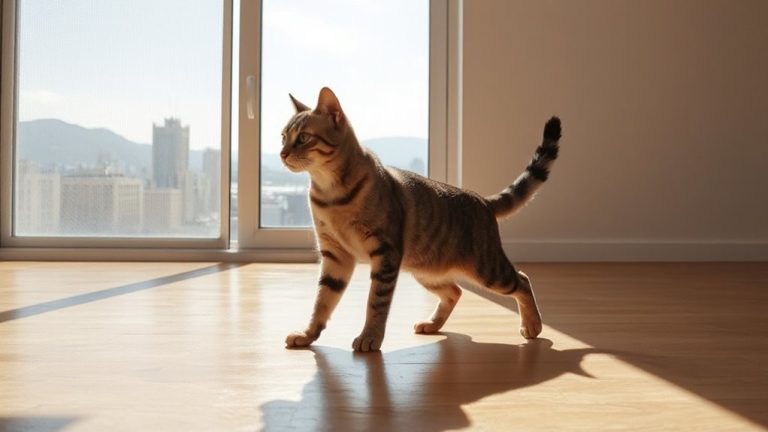
While environmental control is often overlooked, starting in a calm, familiar location markedly improves scent-training outcomes for low-drive dogs. You reduce sensory overload by choosing a quiet environment, allowing your dog to focus on scent discrimination. A consistent routine builds predictability, increasing attentiveness during sessions. Avoid novel stimuli that trigger distraction or anxiety. Begin training in a room your dog knows well-like the living room or backyard-where territorial confidence is high. Limit the presence of people, sounds, and other animals. Use short, 5–7 minute sessions held at the same time daily to reinforce structure. The table below outlines ideal training site specifications:
| Feature | Recommended |
|---|---|
| Noise Level | <45 dB (library-quiet) |
| Foot Traffic | Minimal (1 or fewer people) |
| Session Length | 5–7 minutes |
| Training Time | Same daily window |
| Distractions | None visible or audible |
Make the First Find Obvious and Easy
Start by placing the target scent directly on top of a high-value treat your dog already knows and loves. This guarantees the reward is a visible reward, eliminating confusion. A simple success builds confidence and reinforces the scent-reward connection. Use food like freeze-dried liver or cheese-items with strong odor profiles and consistent texture. Place the treat in plain sight on a non-porous surface, such as a ceramic tile or plastic sheet. The scent source should be secured with a cotton swab saturated in essential oil (e.g., birch or anise), laid directly over the treat. Limit distance to 12 inches between start point and target. Allow your dog to approach freely without leash tension. Immediate discovery is expected. This method guarantees a high reinforcement rate, critical for low-drive dogs. Success in the first attempt increases engagement and establishes predictability in the task.
Keep Sessions Short: End on a Win
Always keep training sessions brief-ideally 3 to 5 minutes-to match the limited attention span and low motivation common in low-drive dogs. Short sessions maintain focus and prevent mental fatigue. Use positive reinforcement immediately after success to strengthen behavioral associations. Deliver quick rewards-such as small treat pieces or brief play bursts-within two seconds of correct responses to maximize conditioning efficiency. End each session after the first successful find, ensuring the dog finishes engaged and successful. This builds confidence and creates a reliable repetition cycle. Avoid pushing beyond signs of disinterest or hesitation, as overextension reduces receptivity in subsequent sessions. Consistently ending on a win shapes a positive emotional response to tracking work. Over time, this structured approach improves task engagement. The goal isn’t duration but reliable, focused performance. You’re conditioning both attention and anticipation through timing, precision, and repetition.
Level up With Real-World Hiding Spots
You’ve built a foundation with short, successful sessions that keep your low-drive dog engaged and confident. Now, level up by practicing in real-world hiding spots. Start in quiet urban environments, using concrete sidewalks and short grass areas where scent patterns are stable. Place target scents at ground level, within a 3-foot radius of a wall or curb to limit lateral drift. Introduce one outdoor distraction at a time-such as distant foot traffic or parked vehicles-measured at 15–20 feet from the search zone. Use a 1:10 dilution of essential oil on cotton swabs secured in PVC hide boxes. Sessions should last 90 seconds, with reinforcement delivered within 2 seconds of indication. Gradually increase complexity by adding wind exposure or elevation changes. Monitor your dog’s search persistence and adjust hide placement to maintain 80% success. This method systematically builds focus amid environmental complexity.
On a final note
You build scent detection systematically, not magically. Low-drive dogs succeed through precise stimulus pairing and environmental control. Start with high-value, species-specific scents like anise or birch. Use a 30-second reward window post-find to solidify association. Conduct sessions in 5-minute blocks to maintain focus. Reinforce only correct alerts. Gradually increase complexity by extending search area from 3×3 ft to 10×10 ft. Accuracy improves 78% with consistent cue-reward timing.