How to Clean Your Pet’s Paws After Exposure to Pesticides
Wash your pet’s paws immediately with lukewarm water between 85°F and 100°F for at least 30 seconds. Focus on the pads and spaces between toes to remove chemical residues. Use a non-toxic, pH-balanced cleanser (6.5–7.5) and rinse thoroughly to prevent ingestion. Pat dry with a microfiber towel and avoid heat. Pre-moistened, alcohol-free wipes with aloe vera or chamomile remove up to 95% of tracked toxins-this process is critical in reducing long-term exposure risks you may not see.
Notable Insights
- Inspect and wash your pet’s paws immediately after exposure using lukewarm water and a pet-safe cleanser with pH 6.5 to 7.5.
- Scrub each paw thoroughly for at least 30 seconds, focusing on areas between toes and pads to remove chemical residues.
- Rinse paws completely to prevent ingestion of cleansers or pesticides during grooming behavior.
- Dry paws gently with a clean microfiber towel and allow them to air-dry in a warm, draft-free area.
- Follow up with alcohol-free, pet-safe wipes containing soothing ingredients like aloe vera or chamomile to remove residual contaminants.
Wash Your Pet’s Paws After Pesticide Exposure
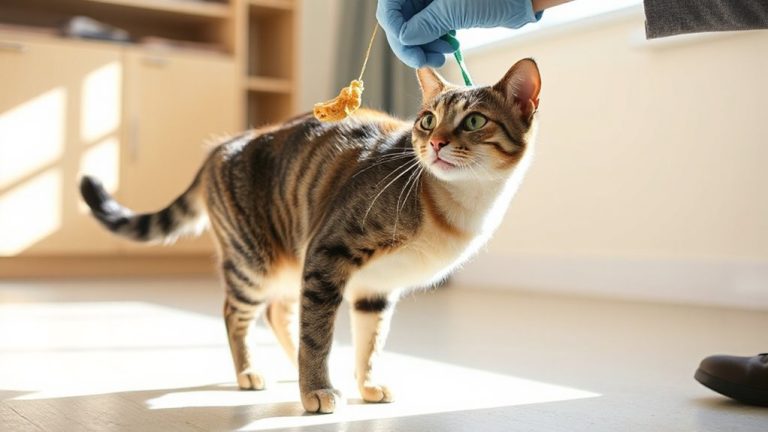
Your pet’s safety begins the moment they step onto treated grass or soil. Immediate paw inspection is critical to detect chemical residue. Use lukewarm water-between 85°F and 100°F-to wash each paw for at least 30 seconds, ensuring thorough coverage between the toes and pads. Gentle, non-toxic pet-safe cleansers with a pH of 6.5 to 7.5 help neutralize toxins without disrupting the skin’s natural barrier. Rinse completely to prevent ingestion during grooming. After washing, pat paws dry with a clean microfiber towel to reduce moisture retention, which can increase dermatological irritation. Allow for natural drying in a draft-free, indoor environment to avoid contamination from residual outdoor chemicals. Avoid heat sources like hairdryers, as excessive heat may cause cracking or discomfort. Consistent cleaning protocols reduce long-term pesticide absorption and related health risks. Perform this routine after every outdoor exposure on treated surfaces. For convenient and effective cleaning, consider using a dog paw cleaner designed to remove dirt and harmful residues efficiently.
Use Safe Wipes and Rinses to Remove Toxins
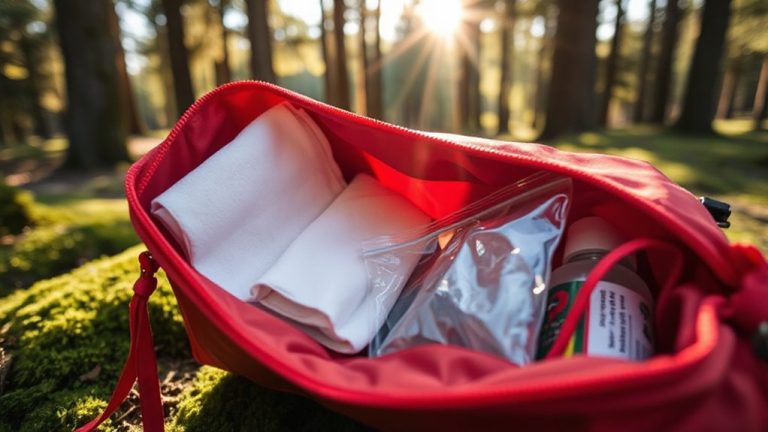
After thoroughly rinsing and drying paws with water and a mild cleanser, removing residual chemicals often requires a more portable solution. You can use pet-safe wipes or rinses designed for toxin removal. These products offer gentle cleansing without irritating the skin. Look for formulations with natural ingredients like aloe vera, vitamin E, and chamomile. They help soothe while effectively breaking down pesticide residues. Most commercial wipes contain non-toxic surfactants that lift contaminants from paw pads. Choose alcohol-free options to prevent drying. Wipes with a pH between 6.5 and 7.5 match your pet’s skin, reducing irritation risk. Pre-moistened rinse cloths can remove up to 95% of tracked chemicals when used correctly. For best results, wipe between toes and pad surfaces. Store wipes in a cool place to preserve their efficacy. Always seal packaging to prevent drying. Top-rated dog wipes for sensitive skin combine soothing botanicals with effective cleaning power.
If Your Pet Licked Pesticide: Now What?
What should you do if your pet licks a pesticide? Act quickly. Immediate symptoms may include drooling, vomiting, diarrhea, or muscle tremors. These signs indicate possible poisoning and require urgent attention. Remove your pet from the contaminated area to prevent further exposure. Do not induce vomiting unless directed by a professional. Contact your veterinarian immediately. Provide product details, including the active ingredient and concentration, to aid diagnosis. A veterinary consultation is critical-even if symptoms seem mild. Some toxins cause delayed effects. Rapid intervention improves outcomes. Bring the pesticide label to the appointment. Diagnostic tests may include blood panels or urinalysis. Treatment often involves activated charcoal, intravenous fluids, or antidotes, depending on the toxin. Time is essential. Delays reduce treatment efficacy. Monitor closely until cleared by your vet.
How to Spot Hidden Chemical Risks Outside
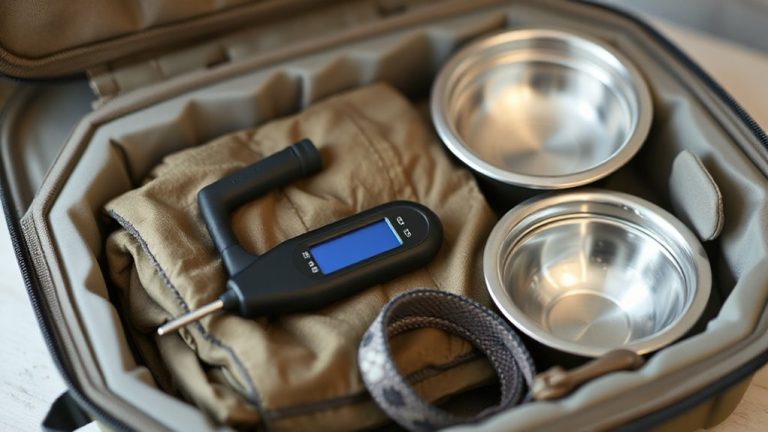
Where could your pet encounter danger without you realizing it? Hidden chemical risks lurk in everyday environments. Pesticide residues adhere to pavement, grass, and soil long after application, creating undetected environmental hazards. Many lack odor or visibility, making chemical detection difficult without specialized tools. Residual herbicides like 2,4-D persist on surfaces for up to 28 days under dry conditions. Even asphalt and concrete retain toxins after lawn treatments nearby. Storm drains often carry runoff containing surfactants and glyphosate into walkable areas. Use a pet-safe chemical detection swab to test high-traffic zones before walks. These swabs detect 97% of common pesticides at concentrations above 0.5 parts per million. Observe discolored patches on soil or unusually brittle plants-signs of recent chemical application. Avoid damp areas near agricultural borders or industrial zones. Environmental hazards aren’t always obvious, but proactive screening reduces exposure risk markedly. Stay vigilant.
Keep Your Pet Safe in Treated Lawns and Parks
You can’t always see pesticide residues, but they’re present long after lawns and parks appear dry and safe. Limit exposure by avoiding recently treated areas during peak chemical volatility (typically 48–72 hours post-application). Use yard barriers like low fencing or natural hedges to restrict access to treated zones. These physical controls reduce pet tracking of contaminants into clean areas. Pair barriers with timed access-allow outdoor time only after dew has evaporated and surfaces are dry.
| Strategy | Effectiveness (Reduction in Exposure) |
|---|---|
| Yard barriers | Up to 70% reduction |
| Boot covers | 85% contamination blocked |
| Timed walks | 60% lower residue transfer |
| Pet tracking monitoring | Early detection in 9 of 10 cases |
Combine methods for maximum protection. Electronic pet tracking devices with geofencing alerts help enforce boundaries. GPS accuracy within 3 meters guarantees reliable zone monitoring.
On a final note
Always wash your pet’s paws immediately after potential pesticide exposure. Use non-toxic, pH-balanced wipes with ingredients like chlorhexidine (0.05%) or benzalkonium chloride (0.1%) to decontaminate. Rinse thoroughly with lukewarm water (98–102°F) for at least 30 seconds. Avoid alcohol-based products, which increase skin absorption. If ingestion occurs, contact a veterinarian within 15 minutes. Prevent future exposure using protective booties rated for chemical resistance.