Including Emergency Pet Carrier Cleaning Supplies in Your Go-Bag
You need emergency pet carrier cleaning supplies in your go-bag because pathogens like *E. coli* and *Salmonella* survive up to 72 hours on surfaces. Include EPA List N disinfectants, such as 0.5% accelerated hydrogen peroxide, which kills 99.9% of viruses in 5 minutes. Pack 30+ pet-safe wipes (6” x 8”), nitrile gloves, and 12” x 18” absorbent pads. Store supplies in labeled, waterproof organizers for quick access. A well-stocked kit prevents contamination and guarantees hygiene under stress-details on ideal setup follow.
Notable Insights
- Include pet-safe wipes and an EPA-approved disinfectant to sanitize carriers quickly and effectively.
- Pack absorbent pads and leak-proof waste bags to manage spills and contain contaminated materials.
- Choose cleaners free of phenols and quats to protect pets from toxic chemical exposure.
- Store supplies in labeled, waterproof containers to prevent leaks and ensure easy access during emergencies.
- Keep high-use items like wipes and gloves on top for immediate response to pet accidents in transit.
What Makes Emergency Carrier Cleaning Critical?
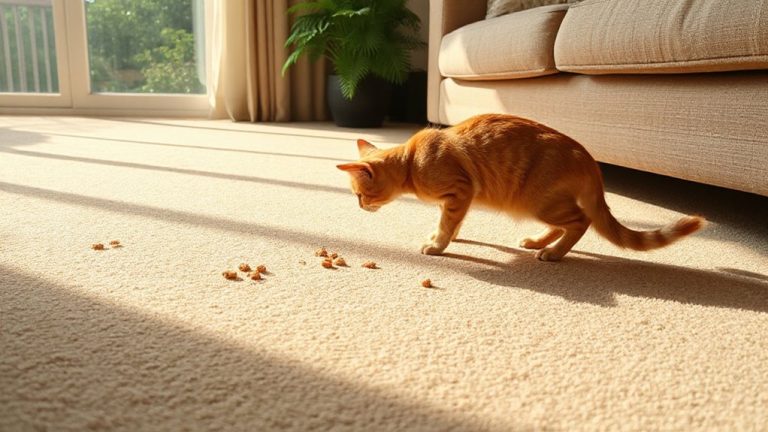
While emergencies can happen at any time, keeping your pet carrier clean after an incident is essential to prevent health risks. Sanitation importance cannot be overstated-pathogens thrive in soiled environments. Residual urine, feces, or saliva introduce contamination risks, including bacterial growth like *E. coli* and *Salmonella*. These microorganisms survive up to 72 hours on plastic and fabric surfaces. Immediate cleaning reduces transmission potential. Effective sanitation requires EPA-registered disinfectants with proven efficacy against enveloped and non-enveloped viruses. Use products containing accelerated hydrogen peroxide (0.5% concentration), which achieves a 99.9% kill rate in 5 minutes. Avoid bleach on soft materials-it degrades stitching and padding. Odors attract pests and signal stress to other animals. Regular post-emergency decontamination extends carrier lifespan. A clean carrier guarantees a safe, hygienic transport environment during subsequent crises, aligning with veterinary public health standards.
What Supplies Belong in Your Pet Emergency Kit?
A well-stocked pet emergency kit guarantees you’re ready when disaster strikes. Include compact, pet-safe wipes (minimum 30-count pack) for immediate cleaning. Pack a small grooming brush to manage shedding and detect parasites during extended evacuations. Add a collapsible leash (adjustable from 4 to 6 feet) for safe carrier access. Waste disposal is essential-carry at least 10 biodegradable pooper scooper bags or waste bag refills. A portable, foldable litter tray with odor-blocking lining suits cats and small animals. Store a sealed 4-ounce bottle of enzymatic cleaner to neutralize urine or vomit in carriers. All supplies should fit in a waterproof, 10-litre dry sack with external attachment loops. Label compartments clearly. Use only non-toxic materials rated for pet grooming and waste disposal. Refresh contents every six months. Top cleaning products for dogs effectively remove odors and stains in emergency situations.
How to Choose Pet-Safe Cleaners and Wipes
Why risk your pet’s health with cleaners that contain hidden toxins? Choose only pet safe disinfectants certified by the EPA’s List N, which confirms effectiveness against pathogens without hazardous chemicals. Avoid phenols and quaternary ammonium compounds-these harm pets’ respiratory and nervous systems. Instead, select products with hydrogen peroxide or citric acid bases, proven to kill 99.9% of bacteria and viruses. Residue free wipes are essential; they leave no film that could be ingested during grooming. Look for wipes labeled “non-toxic” and “biodegradable,” with pore sizes <5 microns for effective dirt capture. Each wipe should measure at minimum 6” x 8” to cover broad areas efficiently. Test any product on a small surface first to guarantee material compatibility. Always verify expiration dates-degraded solutions lose efficacy. Your pet’s safety depends on informed, precise choices-cleaning works only if it doesn’t create new risks.
How to Organize Cleaning Supplies in Your Carrier
You’ve selected pet-safe disinfectants and residue-free wipes-now it’s time to store them where you can act fast when spills or messes happen. Use compact, labeled plastic bins as primary storage solutions; choose ones that fit neatly in carrier side pockets. A 6” x 4” x 2” waterproof pouch works best for liquids, preventing leaks and containment breaches. Apply packing techniques like the roll-and-tuck method for wipes to save space and reduce bulk. Place high-use items-disinfectant wipes, gloves, and absorbent pads-at the top for immediate access. Secure bottles with elastic loops or hook-and-loop straps to prevent shifting. All components must support rapid deployment under stress. Rigid organizers outperform soft pouches in impact resistance. Maximize efficiency by matching supply size to carrier dimensions. Proper packing guarantees functionality during high-pressure situations.
How to Handle Pet Accidents During Evacuation
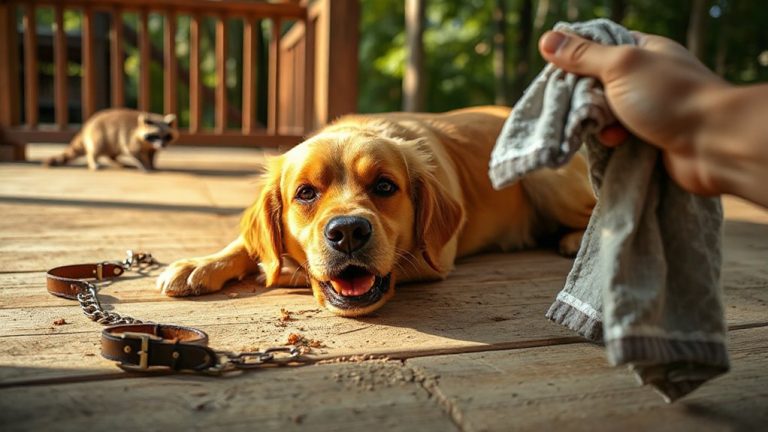
When disaster strikes, how quickly can you respond to a pet accident in a moving vehicle? Immediate action guarantees pet containment and supports stress management. Keep absorbent pads (12” x 18”) in your go-bag-tested to hold up to 1.5 liters of liquid-to prevent slips and odors. Use disposable gloves (nitrile, 4 mil thick) for hygiene. Apply enzyme-based cleaners to break down organic matter at a molecular level; they’re proven to reduce odor-causing bacteria by 99.8%. Contain soiled materials in resealable, leak-proof bags (3.5-mil thickness) to avoid cross-contamination. Maintain a sealed compartment in your carrier for contaminated items. A hand sanitizer with 62% alcohol content protects your hands post-cleanup. Responding efficiently minimizes distress for both you and your pet. Effective stress management begins with preparedness-knowing your supplies work under pressure makes all the difference during evacuation. Including a trusted pet travel first aid kit ensures comprehensive care during unexpected emergencies.
What Common Carrier Cleaning Mistakes Should You Avoid?
Even with the right supplies on hand, improper cleaning techniques can compromise hygiene and reduce the effectiveness of your emergency response. Using harsh chemicals damages carrier materials and risks your pet’s health-volatile compounds can linger, causing respiratory issues. Always choose pH-neutral, pet-safe cleaners. Ignoring hidden stains leads to odor buildup and bacterial growth; organic residues attract pests and compromise sanitation. Inspect seams, corners, and flooring closely. Effective cleanup requires not only the right technique but also the right products, such as enzyme-based cleaners that break down organic matter at the molecular level.
| Mistake | Consequence |
|---|---|
| Using harsh chemicals | Material corrosion, toxic fumes |
| Ignoring hidden stains | Mold development, persistent odors |
| Skipping ventilation | Moisture retention, microbial growth |
| Using excessive water | Structural weakening, prolonged drying |
| Neglecting scrubbing tools | Incomplete pathogen removal |
Clean systematically. Use microfiber cloths and soft brushes for thorough decontamination without abrasion. Guarantee full drying before storage.
How to Clean Your Carrier After the Crisis
Once the immediate danger has passed, prioritize decontaminating the carrier to prevent long-term health risks. Begin with a post crisis inspection: check seams, latches, and ventilation grilles for structural damage or contamination. Remove loose debris using a stiff brush or vacuum with a HEPA filter. Wash all surfaces with a 3:1 water-to-vinegar solution or veterinary-grade disinfectant safe for plastics and fabrics. Scrub non-porous areas thoroughly-ensure contact time matches product specifications, typically 5–10 minutes. Rinse completely to avoid residue. For odor elimination, use an enzymatic cleaner targeting organic compounds; these break down urine, saliva, or feces at a molecular level. Air-dry the carrier in direct sunlight if possible, as UV radiation enhances microbial reduction. Store disassembled, if applicable, in a dry, pest-free environment. Document inspection and cleaning for future readiness.
On a final note
You must include cleaning supplies in your pet’s emergency carrier. A 12-inch by 8-inch waterproof wipe pouch holds 30 disinfectant wipes with 70% isopropyl alcohol-effective against pathogens. Use pH-neutral enzymatic cleaners (2 oz) to break down organic matter. Store items in sealed silicone bags to prevent leakage. Proper decontamination reduces disease transmission risk during evacuation. Replace supplies every 6 months for efficacy.