How to Clean Your Dog’s Paws After a Hike
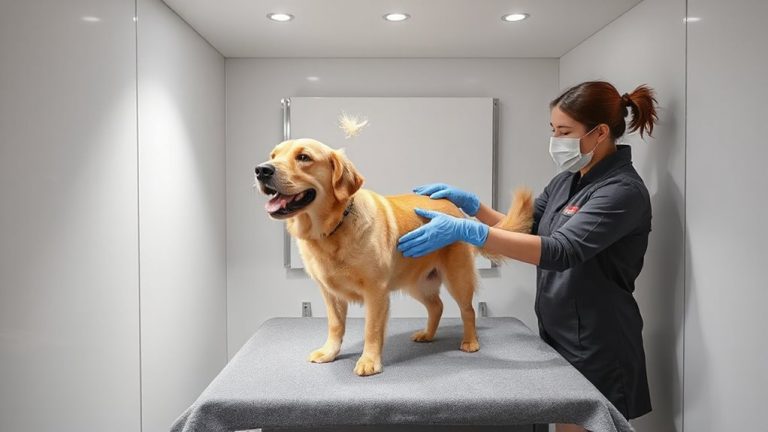
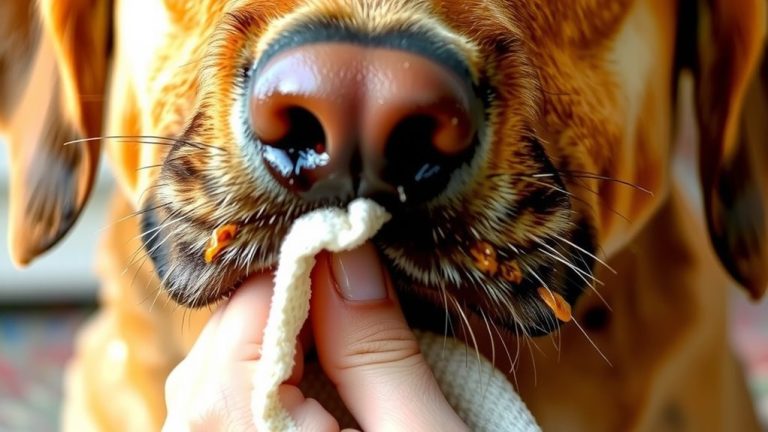
Wipe your dog’s paws with a damp microfiber cloth to remove dirt and chemicals. Use a food-grade silicone scrubber with 0.5 cm bristles to clean between pads. Rinse with lukewarm water (98–102°F) if needed, then dry thoroughly. Avoid soaps that disrupt the skin’s pH (7.5–8.5). Apply a pea-sized amount of paw balm containing shea butter and beeswax to seal in moisture and repair micro-tears. You’ll also want to know how to spot hidden injuries and choose protective gear for next time.
Notable Insights
- Wipe each paw with a damp microfiber cloth to remove dirt, ice melt, or trail debris.
- Use a silicone scrubber to clean between toes and pads with gentle circular motions.
- Rinse paws with lukewarm water if needed, avoiding soaps that disrupt natural skin pH.
- Dry paws thoroughly to prevent moisture-related bacterial or fungal growth.
- Inspect for cuts, thorns, or swelling and apply paw balm to soothe and heal micro-tears.
Why Clean Your Dog’s Paws After a Hike?
Your dog’s paws endure significant stress during a hike, making post-trip cleaning essential for their health. Debris and moisture accumulate between toes, increasing the risk of paw pad irritation. Rough terrain can create micro-tears in the skin, providing entry points for pathogens. Without cleaning, these abrasions may develop into painful conditions. Bacterial buildup thrives in warm, moist environments, especially in fur-lined footpads. Common bacteria like *Staphylococcus pseudintermedius* can cause infections if left unchecked. Cleaning removes grit, plant matter, and contaminants that contribute to inflammation. It also allows you to inspect for cuts, thorns, or swelling. Regular post-hike care reduces the likelihood of chronic issues. Think of it like maintaining hiking boots-neglect leads to breakdown. Preventive hygiene supports long-term mobility and comfort. You’re not just wiping paws; you’re preserving function and preventing disease through consistent, simple action.
Supplies Needed to Clean Dog Paws After a Hike
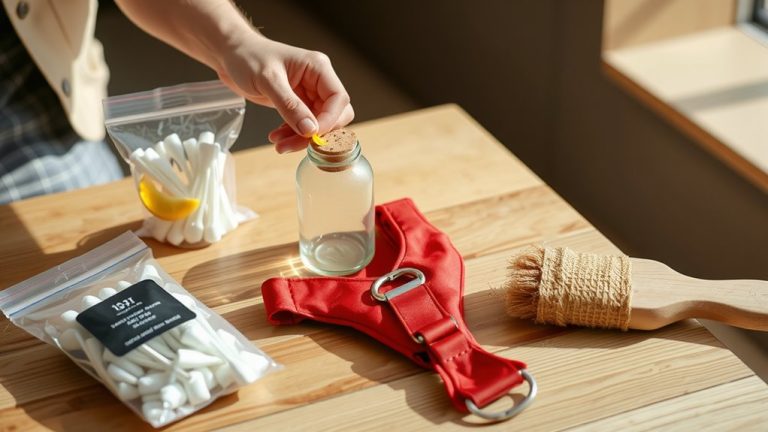
| Item | Material/Specs | Purpose |
|---|---|---|
| Eco friendly wipes | Biodegradable, plant-based | Remove mud, pollen, chemicals |
| Silicone scrubber | Food-grade silicone, 0.5 cm bristles | Deep clean between pads |
| Microfiber towel | 30 x 30 cm, 80/20 polyester-nylon | Dry paws quickly, lint-free |
| Paw balm | Shea butter, beeswax, essential oils | Moisturize, heal cracks |
How to Clean Dog Paws After a Hike
After returning from a hike, cleaning your dog’s paws should be a consistent part of your post-trip routine to prevent irritation and remove harmful substances. Begin by wiping each paw with a damp microfiber cloth to initiate trail residue detection, targeting embedded dirt, sap, or toxic chemicals like ice melt. Use a textured silicone paw cleaner to reach between toes effectively. Follow with a paw pad massage using circular motions; this improves circulation and helps dislodge stubborn debris trapped in the pad’s grooves. Rinse with lukewarm water (98–102°F) if using a sink or hose attachment. Pat dry thoroughly with an absorbent towel. Avoid harsh soaps-they disrupt the skin’s pH (normally 7.5–8.5). For frequent hikers, repeat this process every 24–48 hours post-adventure to maintain paw integrity and detect early signs of irritation.
Check for Cuts, Thorns, and Debris
Once the surface grime is removed, inspect each paw under bright, direct light to identify hidden injuries or embedded objects. Use your fingers to gently press between the paw pads, checking for tenderness, foreign material, or irregular texture. Look closely for cuts, splinters, or thorns lodged in soft tissue. Even small debris can lead to infection or paw swelling if untreated. Examine each nail for signs of nail damage, including cracks, splits, or breakage. Damaged nails may bleed or expose sensitive inner layers. Use tweezers to extract visible thorns, pulling straight out to avoid fragmentation. If swelling persists beyond 24 hours or the injury appears deep, consult a veterinarian. Avoid using harsh antiseptics that can damage healthy tissue. Early detection prevents complications. Regular inspection after hikes maintains long-term paw health. Using high-quality dog paw wipes can effectively remove mud, pollen, and pathogens before they become a problem.
Soothe and Dry Paws After a Hike
Your dog’s paws deserve proper care post-hike to maintain their protective function. After cleaning and inspecting, focus on moisture control to prevent bacterial or fungal growth between toes. Use a soft, absorbent towel to thoroughly dry each paw, especially in haired breeds where dampness lingers. Excess moisture softens paw pads, increasing susceptibility to cracking and irritation. Apply a vet-recommended paw balm to support natural hydration and repair micro-tears in the keratin layer. Paw balm application forms a breathable barrier against environmental irritants without clogging pores. Use products containing shea butter, beeswax, or ceramides for ideal lipid restoration. Avoid petroleum-based balms if your dog is prone to slipping on smooth surfaces. Apply a pea-sized amount per paw, massaging gently into pads and between digits. Reapply as needed every 1–3 days, depending on exposure and weather conditions. For best results, choose one of the top picks for dog paw moisturizers based on ingredient safety and effectiveness.
When to See the Vet Post-Hike
Noticeable changes in your dog’s gait or persistent licking of the paws after a hike signal potential injury requiring professional evaluation. Limping concerns may indicate sprains, fractures, or soft tissue trauma. If your dog avoids bearing weight, or the limp persists beyond 24 hours, veterinary assessment is necessary. Observe for infection signs such as redness, swelling, heat, or discharge around paw pads or between toes. Puncture wounds or embedded debris can harbor bacteria like *Staphylococcus* or *Pseudomonas*, leading to cellulitis. A fever above 103°F (39.4°C) supports systemic infection. Delayed treatment risks abscess formation or septic arthritis. Topical antiseptics won’t penetrate deep tissue. Radiographs may be needed to rule out bone involvement. Early intervention improves prognosis. Do not administer human medications-some, like ibuprofen, are toxic to dogs. Seek veterinary care promptly when clinical signs persist.
Prevent Paw Problems on Future Hikes
A proactive approach to paw care considerably reduces the risk of injury and infection during outdoor adventures. Use paw protection like durable booties with non-slip rubber soles and breathable mesh uppers to shield pads from sharp rocks, hot surfaces, and abrasive terrain. Models with secure ankle straps and sizes calibrated to paw width-measured heel to longest toe-ensure a snug fit. Begin with trail precautions: avoid hiking during peak heat when asphalt exceeds 140°F, which can burn paw pads in under 60 seconds. Inspect trails beforehand; steer clear of jagged gravel, thorny vegetation, and chemically treated areas. Gradually condition paw pads with short walks on varied surfaces to build calluses. Apply a vet-approved paw balm weekly to maintain moisture and prevent cracking. Recheck gear fit monthly-dogs’ paws grow. Consistent protection and preparation reduce injury risks by over 70%. For quick and effective cleanup after hikes, consider using a dog paw cleaner designed to remove dirt and debris without irritation.
On a final note
You’ve protected your dog’s paws with proper cleaning and inspection. Use a microfiber towel to dry between toes completely, preventing fungal growth. Apply a vet-approved paw balm with shea butter and ceramides to restore moisture. If redness, swelling, or limping persists beyond 24 hours, consult a veterinarian. For future hikes, consider breathable booties with 5 mm rubber outsoles and high-traction treads.