How to Address Emotional Eating in Pets Triggered by Boredom or Anxiety
Address emotional eating by first ruling out medical causes like diabetes (fasting glucose >200 mg/dL), hypothyroidism (T4 <1.0 µg/dL), or Cushing’s disease via ACTH stimulation test. Confirm behavioral origins through symptom patterns: post-meal scavenging, meal duration >15 minutes, or food aggression. Implement a structured routine with feeding every 12 hours for dogs, every 8–12 hours for cats. Use portion-controlled meals based on weight and activity. Introduce scent trails, obstacle courses (tunnels ≥24” diameter, jumps 6–18”), and interactive play 3–4 times weekly lasting 15–20 minutes. Rotate food puzzles weekly-sliding block (8–12 min solve), hide-and-seek (15–20 min)-to maintain engagement. Choose BPA-free or stainless steel puzzles filled with measured kibble to balance nutrition. Track behavior for two weeks and map environmental changes to identify anxiety triggers like noise (causing 30–50 bpm heart rate increases) or separation (onset 20–40 minutes post-departure). You’ll discover targeted strategies that align with your pet’s physiological and cognitive needs.
Notable Insights
- Rule out medical conditions like diabetes or hypothyroidism with blood tests before attributing overeating to emotional causes.
- Identify anxiety or boredom triggers by tracking behavior patterns and environmental changes over a two-week period.
- Establish a consistent daily routine with scheduled meals, exercise, and rest to reduce stress-related eating.
- Increase mental and physical stimulation through scent games, obstacle courses, and interactive play sessions.
- Use food puzzles to slow eating and engage problem-solving skills, rotating types weekly to maintain interest.
Spot the Signs of Emotional Eating in Pets

Emotional eating in pets often starts with subtle shifts in behavior. You must monitor eating patterns closely to detect early signs. Food aggression is a key indicator-your pet may growl, snap, or guard bowls, signaling anxiety-driven consumption. Such behaviors escalate if ignored. Portion control helps manage intake and prevents overeating linked to emotional triggers. Measure meals precisely using kitchen scales or veterinary-recommended scoops; for example, a 10-pound cat typically needs 180–220 kcal daily, adjusted for activity. Use timed feeders to regulate meal frequency. Increased begging, persistent licking, or searching for scraps post-meal suggest emotional hunger, not nutritional need. Unlike metabolic disorders, emotional eating correlates with environmental stressors, not caloric deficit. Monitor meal duration: feeding beyond 15 minutes may signal compulsive consumption. Early intervention with structured feeding curbs long-term health risks like obesity or insulin resistance.
Identify Triggers of Pet Anxiety and Boredom

Stress游戏副本 lurk in plain sight-subtle environmental shifts that spark anxiety or boredom in pets. You must pinpoint these triggers to address emotional eating effectively. Separation distress is a common cause, occurring when pets experience elevated cortisol levels during isolation. Signs include pacing, excessive vocalization, or destructive behavior within 20–40 minutes of owner departure. Noise sensitivity, another key factor, refers to overreaction to sudden or sustained sounds like thunder or construction. Affected pets may hide, pant, or tremble. Sound-triggered anxiety can spike heart rates by 30–50 beats per minute. Observe your pet’s behavior across different settings: note timing, duration, and intensity of reactions. Use a behavior log to track patterns over at least two weeks. Environmental mapping-recording changes like new furniture, visitors, or routine shifts-helps isolate variables. Identifying specific stressors allows targeted intervention, reducing reliance on food for comfort. Effective management may include integrating vet-recommended Top Picks for Pet Anti-Anxiety Solutions to support behavioral modification.
Create a Consistent Daily Routine for Your Pet
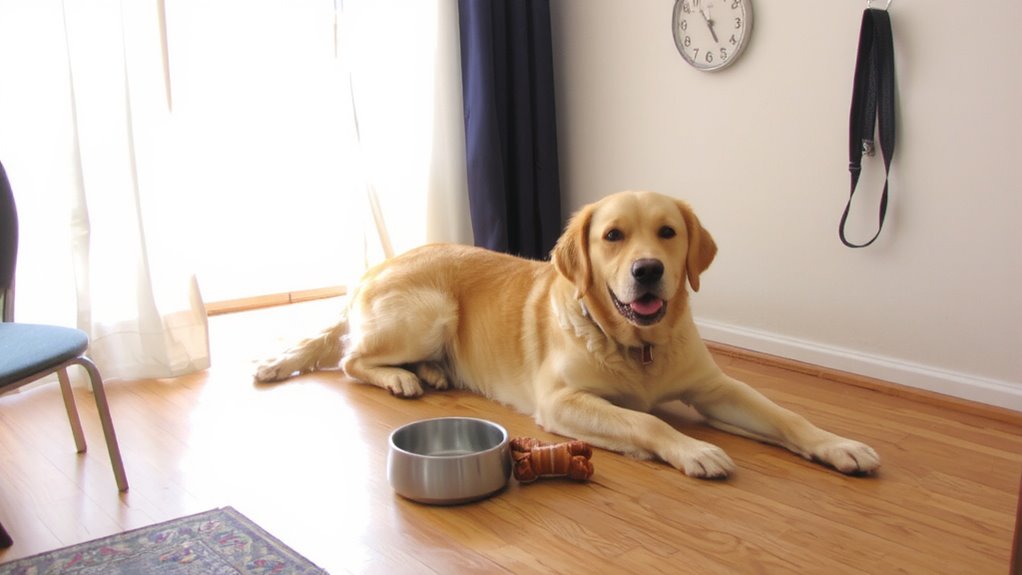
A predictable daily routine stabilizes your pet’s internal clock and reduces anxiety-driven behaviors, including overeating. Establishing a consistent feeding schedule prevents erratic hunger cues and helps regulate metabolism. Feed your pet at the same times daily-typically every 12 hours for adult dogs, every 8–12 hours for cats. Use portion-controlled meals based on your pet’s weight, activity level, and veterinary guidelines. Exercise timing is equally critical. Schedule physical activity-such as 30 minutes of moderate-intensity walking for dogs or 15-minute interactive sessions for cats-immediately before or after meals. This synchronizes energy expenditure with caloric intake. Routine timing across feeding, exercise, and rest reinforces circadian rhythms. Even on weekends, maintain schedule consistency to prevent behavioral drift. Deviations increase stress hormones, potentially triggering compulsive eating. A structured timetable isn’t rigid-it’s a scientifically supported framework that promotes metabolic stability and emotional well-being. Incorporating pet potty training bells can further reduce anxiety by giving pets a clear, consistent way to communicate their bathroom needs.
Boost Mental Stimulation With Interactive Play
Why does your pet seem restless or fixated on food between meals? Boredom and under-stimulated senses often drive emotional eating. You can combat this by boosting mental engagement through structured interactive play. Scent tracking exercises tap into your pet’s natural foraging instincts, using hidden treats placed at measured intervals (e.g., 3–5 feet apart) to promote focus. These activities elevate cognitive load, reducing anxiety-related behaviors. Incorporate obstacle courses with adjustable features-tunnels (minimum 24” diameter), jumps (heights from 6” to 18”), and weave poles (spaced 20” apart)-to enhance motor coordination and mental processing. Sessions should last 15–20 minutes, performed 3–4 times weekly, maintaining attention while avoiding fatigue. Such targeted stimulation redirects energy from food-seeking to problem-solving, supporting emotional regulation. Consistent practice improves neural plasticity, mirroring effects seen in environmental enrichment studies with domestic canids and felids. For even greater engagement, consider incorporating best dog training toys that are specifically designed to challenge your pet’s mind and sustain focus during play.
Try Food Puzzles to Redirect Overeating
Food puzzles transform mealtime into mental work, turning passive eating into active problem-solving. These enrichment tools slow consumption and reduce overeating triggered by boredom or anxiety. Designed with adjustable difficulty, food puzzles engage your pet’s cognitive skills using scent, manipulation, and memory. The food puzzle benefits include improved digestion, longer meal duration, and reduced stress behaviors.
| Puzzle Type | Difficulty Level | Avg. Solve Time (min) |
|---|---|---|
| Sliding Block | Moderate | 8–12 |
| Treat Dispenser | Easy | 3–5 |
| Hide-and-Seek | High | 15–20 |
| Rolling Ball | Easy-Moderate | 5–9 |
| Maze Tray | High | 12–18 |
Choose puzzles made from non-toxic, durable materials like BPA-free plastic or stainless steel. Use portion-controlled kibble to maintain dietary balance. Rotate styles weekly to prevent habituation. These enrichment tools provide structured engagement, redirecting emotional eating into productive mental exercise.
Feed Based on Nutrition, Not Behavior
You control your pet’s diet-not their mood. Feeding based on nutrition, not behavior, guarantees long-term health. Nutritional balance is critical: pets require precise ratios of protein, fat, fiber, vitamins, and minerals tailored to species, age, and activity level. Commercial diets labeled “complete and balanced” meet AAFCO standards, providing this equilibrium. Avoid rewarding anxiety with treats; it reinforces emotional eating. Instead, adhere to portion control. Measure food using a calibrated scoop or digital scale-typically 2–4% of body weight daily, divided into two meals. Overfeeding by just 10% can lead to obesity within months. Use scheduled meals, not free-feeding, to regulate intake. Consistency supports metabolic function. Adjust portions based on body condition score, not begging. This method prioritizes physiological needs over behavioral cues, maintaining ideal weight and health through disciplined, science-based feeding practices.
Rule Out Medical Causes of Overeating
While behavioral factors often drive overeating, it’s essential to first rule out underlying medical conditions that could be responsible. A veterinary consultation is critical to identify diseases like hypothyroidism, diabetes, or Cushing’s disease. Your vet may recommend medical testing, including blood panels, urinalysis, and hormone assays, to assess organ function and metabolic health. These diagnostics provide precise data on glucose, insulin, cortisol, and thyroid hormone levels.
| Condition | Key Test | Typical Result |
|---|---|---|
| Diabetes | Fasting blood glucose | >200 mg/dL |
| Hypothyroidism | T4 level | <1.0 µg/dL |
| Cushing’s Disease | ACTH stimulation test | Elevated cortisol response |
Abnormal results confirm physiological causes. Never assume emotional eating is the sole trigger without this step. Accurate diagnosis guides effective treatment and prevents mismanagement.
On a final note
You must address emotional eating in pets systematically. First, confirm no underlying medical issues exist through veterinary diagnostics, including blood panels and thyroid tests. Then, establish a reliable routine with scheduled meals and exercise. Use timed feeders set to dispense 3–4 small portions daily. Introduce puzzle feeders rated for your pet’s weight-these reduce intake speed by 60%. Combine with daily cognitive enrichment, like treat-dispensing toys, proven to lower cortisol levels by up to 25%.