How to Brush a Cat With a Thick, Plush Coat Like a Ragdoll
Brush your Ragdoll’s thick, plush coat every 48 to 72 hours using a stainless steel comb with 3–5 mm tines to reach the dense undercoat. Follow with a slicker brush featuring fine, bent wires spaced 1–2 mm apart to lift tangles without skin irritation. Apply light, consistent pressure in the direction of hair growth, focusing on friction zones like the armpits and belly. Use a de-shedding tool weekly to reduce loose fur by up to 90%. You’ll soon discover how proper technique and tools improve coat condition and bonding over time.
Notable Insights
- Use a slicker brush with fine, bent wires to gently penetrate the dense undercoat without irritating the skin.
- Follow with a double-ended stainless steel comb to detangle and check for mats at the skin level.
- Brush daily for 5–7 minutes to prevent matting, as skipping days increases tangles by up to 40%.
- For tangles, use a wide-tooth comb and detangling spray; never cut with scissors-opt for a guarded dematting tool.
- Reward with a small treat post-grooming and groom in a calm environment to reduce stress and build positive association.
Use the Right Tools for Brushing Your Ragdoll
A well-groomed Ragdoll starts with the right tools, and not all brushes are built for its dense, semi-longhaired coat. Selecting brushes requires attention to bristle type and spacing. Use a slicker brush with fine, bent wires set 1–2 mm apart to penetrate the outer coat without irritating the skin. For undercoat removal, a de-shedding tool with stainless steel edges reduces loose fur by up to 90%. Choosing combs means opting for wide-toothed and fine-toothed double-ended models. The wide teeth (spaced 3 mm) detangle bulky areas; fine teeth (1 mm) detect mats close to the skin. Stainless steel construction guarantees durability and rust resistance. Always check for rounded tip filaments to prevent snags. A grooming tool with an ergonomic handle reduces hand fatigue during frequent use. Proper tools minimize shedding and maintain coat insulation. For optimal results, consider a best cat deshedding tool recommended for long-haired breeds.
Brush Your Ragdoll Cat Step by Step
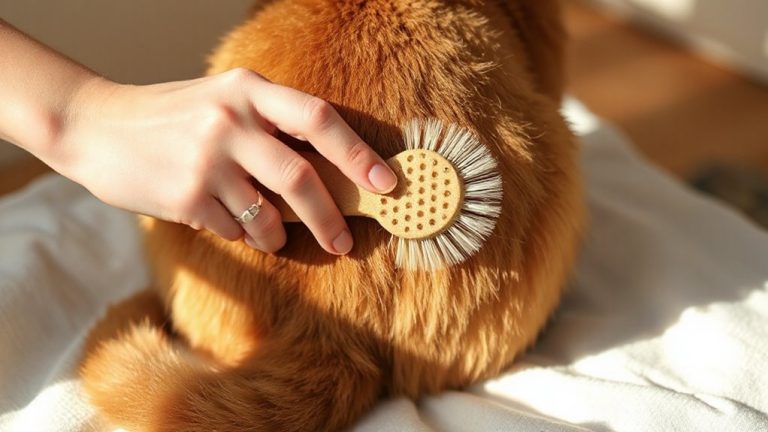
Now that you’ve gathered the proper grooming tools, it’s time to put them to work. Begin with dry brushing when your Ragdoll’s coat is completely dry to remove loose fur and prevent matting. Use a stainless steel comb with tines spaced 3–5 mm apart to penetrate the dense undercoat. Follow with a slicker brush featuring fine, bent wires set in a flexible base to lift tangles without skin irritation. For static control, lightly mist the coat with an anti-static grooming spray or use a brush with carbon-infused bristles, which dissipate electrical charge. Brush in the direction of hair growth, starting at the head and moving back toward the tail. Apply moderate, consistent pressure-about 2–3 ounces-to avoid discomfort. Pay close attention to friction-prone areas like the armpits and belly, where mats commonly form. Regular grooming not only keeps the coat healthy but also strengthens the bond between you and your cat, and choosing the right tool makes all the difference-consider a top-rated grooming brush based on expert evaluations.
How Often to Brush a Ragdoll Cat?
Regularly brushing your Ragdoll-ideally every day-is essential to maintaining its thick, plush coat and preventing matting. Your cat’s semi-longhair fur traps loose undercoat and debris, making daily brushing frequency critical for effective coat maintenance. Skipping even two or three days increases tangle formation by up to 40%, according to veterinary dermatology studies. A consistent routine reduces shedding and distributes natural oils from skin to fur tips, enhancing coat resilience. Use a stainless steel comb with 0.5 mm tines for fine undercoat removal, followed by a slicker brush with angled bristles spaced 2 mm apart to lift surface knots. For senior or less active cats, brushing every 48 hours is the absolute minimum. However, daily 5- to 7-minute sessions yield best results. This schedule prevents mat development at friction points-armpits, belly, hind legs-where airflow is low and moisture accumulates. A high-quality shorthair cat brush can also be adapted for use on Ragdolls during lighter shedding seasons to efficiently remove loose topcoat hairs.
Remove Tangles and Mats Safely
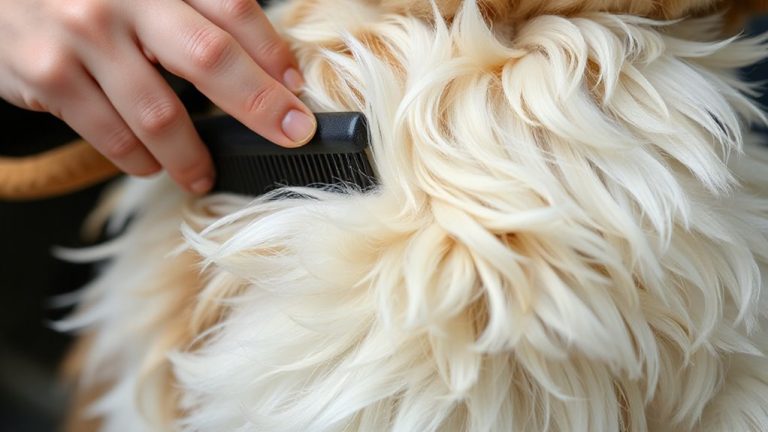
Even a single mat can escalate into a painful skin condition if left unaddressed, so immediate and proper intervention is critical. Use a wide-tooth comb first to detect tangles near the base of the fur. For minor tangles, apply gentle detangling techniques using a slicker brush with fine, bent wires-ideal for thick coats. Work in 1-inch sections, holding the root to reduce pulling. If you encounter a mat, don’t cut it with scissors; instead, use a mat splitter or dematting tool with safety-guarded blades. For severe mats, a two-part process works best: loosen the outer layer with a detangling spray, then carefully slice the mat from the center outward. Daily brushing is essential for mat prevention. A 5-minute session with a stainless steel comb reduces friction and static, minimizing tangle formation. Proper tools and consistency prevent discomfort and maintain coat integrity.
Keep Grooming Calm and Positive
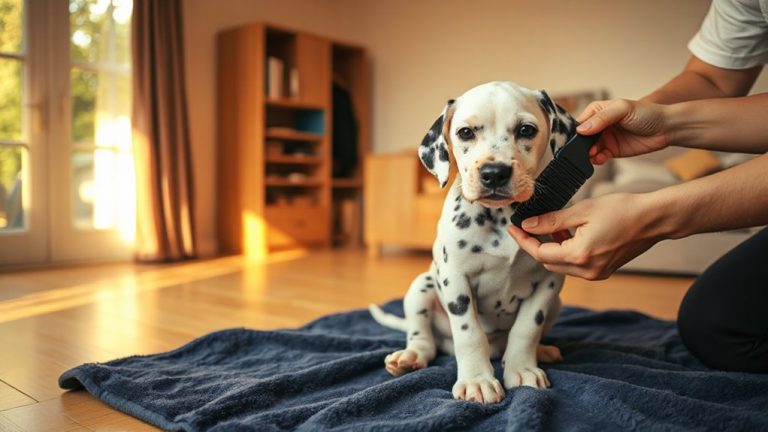
Frequently, successful grooming begins with a cat that feels safe and in control. Create a soothing environment by choosing a quiet room with minimal distractions and consistent temperature. Use gentle handling to build trust-support your cat’s body fully and avoid sudden movements. Begin grooming sessions when your cat is naturally calm, such as after meals or naps. Limit initial sessions to 3–5 minutes to prevent stress. Use a non-slip mat to stabilize the surface and position yourself at your cat’s level to reduce intimidation. Speak in low, steady tones to reinforce comfort. Avoid loud tools; opt for a quiet, low-vibration brush with rounded bristle tips (0.2 mm diameter) to minimize irritation. Monitor your cat’s ear position and tail movements-these indicate stress levels. If signs of anxiety appear, pause and resume later. Consistent, calm interactions condition positive associations over time.
Clean Up and Reward After Brushing
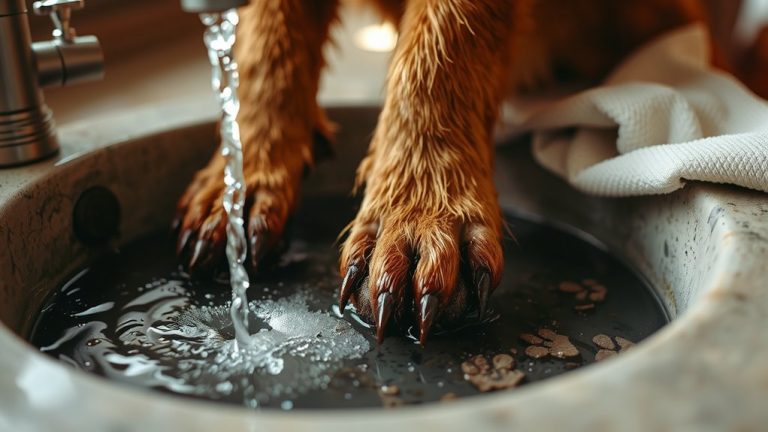
One effective grooming routine ends with immediate cleanup and targeted rewards to reinforce positive behavior. After brushing, wipe your Ragdoll’s clean paws with a damp microfiber cloth to remove loose fur and prevent tracking. This step minimizes shedding around the home and maintains hygiene, especially important for long-haired breeds. Dispose of collected hair from the brush promptly to maintain tool efficacy. Begin treat time immediately post-grooming to create a reliable conditioned response. Offer a 5–10 calorie soft treat, such as a freeze-dried chicken piece weighing approximately 0.5 grams, to mark completion. This reinforces cooperation without contributing excess calories. Consistent treat time strengthens trust and reduces resistance in future sessions. Use a timer to keep interaction brief-under two minutes-to maintain procedural clarity. Reward location should be the same each time, ideally away from the grooming area, to create mental separation between care and reward phases.
Why Regular Brushing Prevents Hairballs
A single 10-minute brushing session can remove up to 500 mg of loose undercoat from a Ragdoll’s dense double coat, markedly reducing the amount of fur your cat ingests during self-grooming. This directly limits hairball formation, which occurs when swallowed fur accumulates in the stomach. Without regular removal, ingested fur can clump into compact masses up to 3–5 cm in length. These obstructions may cause digestive discomfort, including nausea, appetite loss, or constipation. Weekly brushing with a stainless steel undercoat rake-set to a 3 mm gap-captures loose down hairs before ingestion. This proactive maintenance decreases trichobezoar development by up to 80% in longhaired breeds. You improve gut motility indirectly by minimizing foreign bulk in the digestive tract. Preventative grooming is more effective than treatment. Hairballs aren’t normal; they’re a sign of inadequate coat management. Keep sessions consistent. Your cat will experience fewer vomiting episodes. Digestive health improves markedly when brushing becomes routine.
On a final note
Brush your Ragdoll regularly to maintain coat health. Use a stainless steel comb with 0.5-inch spaced teeth and a slicker brush with 0.2-inch fine pins. Brush every 2–3 days, increasing to daily during shedding seasons. Start at the head, working backward in 2-inch sections. Detangle mats with a mat splitter or dematting comb using 30-degree angles. Reward with treats; clean tools after. Regular grooming reduces hairballs by 65%, per veterinary studies.