How Often to Bathe a Dog Recovering From Skin Surgery or Wounds
Wait 10 to 14 days before bathing your dog after skin surgery, or follow your vet’s specific instructions. Water exposure can weaken healing tissue, delay epithelialization, and increase infection risk. Avoid pools, lakes, and bathtubs. You may spot-clean with a slightly damp microfiber cloth or cornstarch-based dry shampoo, keeping the incision dry. Use only vet-approved cleansers like 0.05% benzalkonium chloride wipes. Healing continues-details on safe cleaning and infection signs follow.
Notable Insights
- Avoid bathing your dog for 10 to 14 days after skin surgery unless instructed otherwise by your veterinarian.
- Keep the surgical site dry and free from water to reduce the risk of infection and wound dehiscence.
- Use spot cleaning with a slightly damp microfiber cloth for localized soiling away from the incision.
- Only resume full baths after veterinary clearance, typically once sutures are removed and healing is confirmed.
- Monitor for signs of infection such as redness, swelling, pus, or increased warmth around the wound site.
When to Bathe Your Dog After Skin Surgery
After your dog has undergone skin surgery, it’s critical to avoid bathing until the incision has sufficiently healed, typically waiting 10 to 14 days unless your veterinarian specifies otherwise. This post op timing guarantees proper tissue repair and minimizes infection risks. Wound exposure to water can disrupt early granulation and introduce pathogens. Moisture softens the wound edges, increasing susceptibility to dehiscence. Avoid submersion in pools, lakes, or bathtubs during recovery. If cleaning is necessary, use a veterinarian-approved antiseptic wipe. Monitor the incision daily for redness, swelling, or discharge. Your vet may adjust the bathing timeline based on suture type-non-absorbable sutures often require 14 days, while some absorbable sutures need longer. Protective collars prevent licking, reducing contamination. Proper post op timing directly affects healing integrity. Premature bathing increases complication rates. Follow clinical guidance precisely. Keep the surgical site dry and intact until cleared for full hygiene routines.
Why Regular Baths Can Delay Healing
A well-timed bath might seem like part of good care, but doing it too soon can interfere with recovery. Excessive moisture weakens the wound’s protective barrier, increasing the risk of infection. Waterlogged tissue becomes fragile, delaying epithelialization-the process where new skin cells form. Most surgical incisions need 10–14 days to seal; bathing before then disrupts collagen alignment. Shampoo residues trap bacteria, worsening skin irritation. You’re not just cleaning-you’re altering the wound’s microenvironment. Moisture fosters bacterial proliferation, especially in warm, occluded areas like skin folds. Even mild cleansers can strip essential oils, compromising the skin’s pH balance. Avoid full immersion or wetting the incision site. Each bath raises humidity around the wound, extending healing time by up to 30%. You’re trading short-term cleanliness for long-term complications. Stick to vet-approved timelines. Preserve the recovery process-keep the surgical site dry.
Spot Cleaning: How to Clean Without a Bath
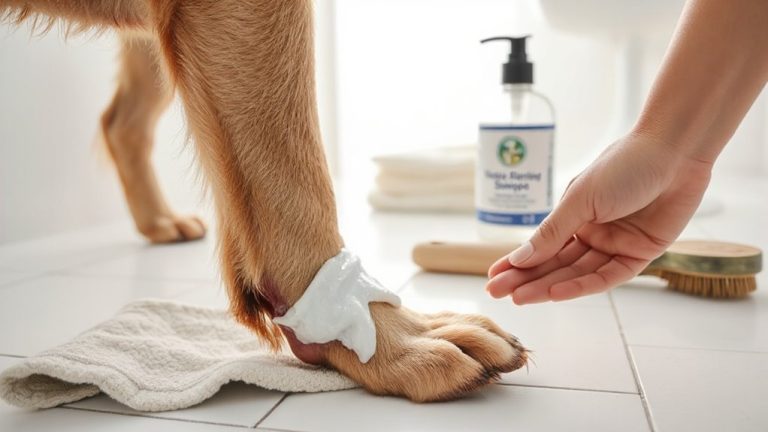
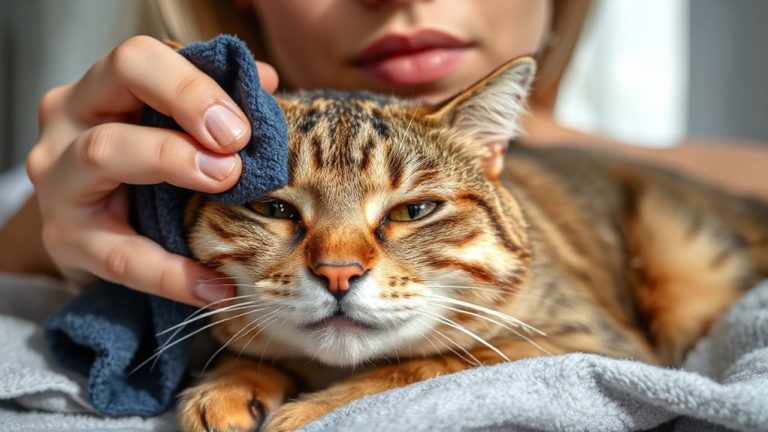
You can keep your dog clean without a full bath by using targeted spot cleaning methods that protect the surgical site. Use dry grooming techniques like cornstarch or commercial dry shampoo to absorb oils and reduce odor. Apply only to unaffected areas, avoiding incision sites by at least 4 inches. For localized soiling, use targeted cleaning with a soft microfiber cloth dampened-not soaked-with lukewarm water. Gently wipe soiled areas such as paws, belly, or rear, limiting exposure to 1–2 minutes per zone. Guarantee the dog remains in a warm room (72–78°F) during and after cleaning to prevent chills. Do not use steam, wet towels, or any method that increases moisture near the wound. These techniques reduce contamination risks while maintaining hygiene. Spot cleaning limits bacterial transfer, supports skin integrity, and prevents unnecessary manipulation of healing tissue. Interactive play with Top Paw Patrol Toys can help keep your dog mentally stimulated during recovery without increasing physical strain.
Safe Wipes and Cleansers for Surgical Sites
Think of the surgical site as a fragile repair zone-any cleanser or wipe used near it must prioritize wound protection without compromising hygiene. Use only veterinary-approved antibacterial wipes containing 0.05% benzalkonium chloride or chlorhexidine gluconate (0.02% to 0.1%), as these concentrations effectively reduce microbial load without irritating healing tissue. Avoid alcohol-based or scented products-they disrupt granulation. For daily care, perform gentle cleansing with non-woven, low-lint wipes to minimize fiber shedding. Always wipe outward from the incision, using a fresh wipe per pass, to prevent contamination. Saline-moistened sterile gauze is safe for removing debris, but only if instructed by your vet. Never soak the site. Most surgical wounds tolerate cleaning once or twice daily. Check wipe packaging for ISO 13485 certification, ensuring medical-grade manufacturing. Improper cleansers delay healing-precision matters.
When to Worry: Infection Signs to Watch For
Redness spreading more than 2 inches beyond the incision line, increased warmth, or pus-like discharge signals trouble. These are key signs of infection after skin surgery. Always monitor your dog’s wound closely.
| Symptom | Action Required |
|---|---|
| Redness increasing daily | Contact vet within 24 hours |
| Swelling with heat or pain | Seek immediate evaluation |
| Foul odor or pus | Begin prescribed antibiotics if available |
Persistent redness beyond the third day or sudden swelling indicates inflammation or bacterial invasion. Unlike typical post-op irritation, progressive swelling compromises healing. Pus, especially yellow-green or malodorous, suggests infection. Do not wait if you see spreading redness or fluctuance-a fluid-filled pocket under the skin. Early vet intervention prevents abscess formation and systemic illness. Record observations daily. Prompt treatment guarantees faster recovery and reduces complications.
How to Soothe Itch and Odor Without Bathing
While the incision heals, managing itch and odor without wetting the surgical site is critical to prevent complications. You can safely apply a thin layer of virgin coconut oil to surrounding skin; its lauric acid content provides antimicrobial protection and reduces odor naturally. Apply no more than 1/4 teaspoon per 10 pounds of body weight once daily, avoiding direct contact with the wound. For broader coverage, use veterinarian-approved oatmeal sprays containing colloidal oatmeal at a concentration of 1–2%. These sprays soothe irritation through beta-glucan, which strengthens the skin barrier and reduces histamine release. Spray from a distance of 6–8 inches, using 3–5 quick bursts per affected zone. Do not oversaturate. Both methods minimize microbial growth and discomfort while keeping the incision site dry. Reassess symptoms every 48 hours for improvement.
Returning to Normal Baths: Timeline and Tips
Once the surgical site has fully epithelialized and your veterinarian has given clearance, you can gradually resume regular bathing-typically 10 to 14 days post-operation, though delayed in cases involving extensive tissue repair or secondary wound healing. Resume normal bathing frequency only after suture removal and complete re-epithelialization, usually confirmed by your vet during a recheck. Use lukewarm water and a mild, hypoallergenic shampoo to avoid irritation. Avoid aggressive scrubbing near the healed area. After washing, apply proper drying techniques: gently pat the surgical site with a clean, absorbent towel; do not rub. Guarantee the area is completely dry to prevent maceration or fungal growth. For dogs with thick coats, use a low-heat blow dryer held at least 12 inches away. Monitor for redness or discharge post-bath. Resume monthly bathing unless otherwise directed.
On a final note
Wait at least 7–10 days before bathing your dog post-surgery, or as directed by your vet. Water and soap can disrupt wound closure and increase infection risk. Use pH-balanced, non-cytotoxic wound wipes with chlorhexidine 2% or povidone-iodine 1% for spot cleaning. Monitor for redness, discharge, or dehiscence. Resume regular bathing only after full epithelialization, typically 14–21 days. Use hypoallergenic, soap-free shampoos with ceramides to support barrier function.