Geriatric Rabbit Grooming: Addressing Decreased Flexibility and GI Stasis Risks
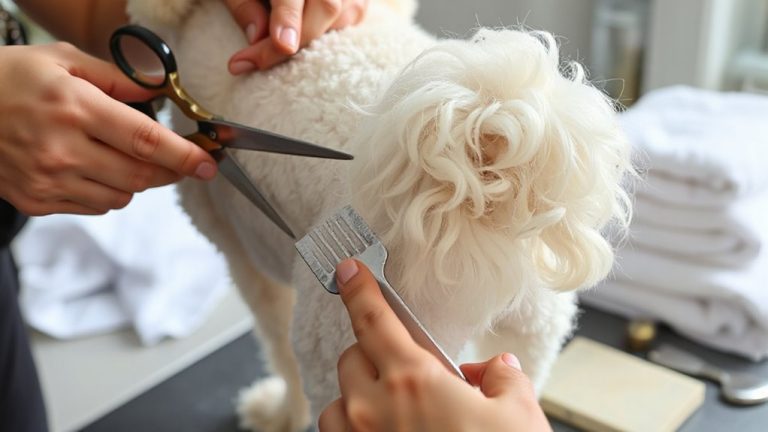
Your senior rabbit’s decreasing flexibility, especially if joint motion drops below 45 degrees, impairs grooming and increases matting risk. Daily 3–5 minute sessions with a soft slicker brush (50–100 grams pressure) reduce fur ingestion. Matted hindquarters can lead to trichobezoars, especially with slowed GI transit beyond 36 hours. Focus on the dewlap, genitals, and skin folds. Proper nail trims every 4–6 weeks and consistent brushing support mobility and digestion. You’ll discover how targeted care prevents life-threatening stasis.
Notable Insights
- Older rabbits with reduced flexibility need daily brushing to prevent matting and support skin and coat health.
- Arthritis limits mobility, making it difficult for senior rabbits to groom themselves, especially the hindquarters and genitals.
- Poor grooming increases fur ingestion, raising the risk of hairballs and GI stasis in aging digestive systems.
- Daily inspection and cleaning of high-risk areas like the dewlap, skin folds, and genital region prevent infection and soiling.
- Short, gentle grooming sessions on non-slip surfaces reduce stress and support hygiene without straining arthritic joints.
Spot the Signs Your Senior Rabbit Needs Grooming Help
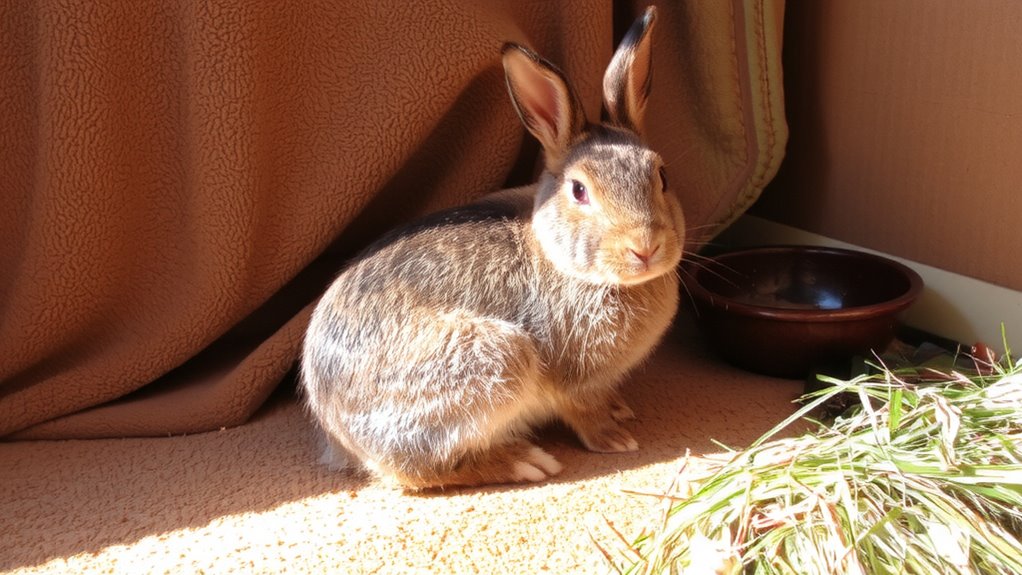
Why might your senior rabbit suddenly look unkempt? Decreased flexibility limits self-grooming. You’ll notice matted fur, especially around the hindquarters. This often signals underlying health issues. Dental overgrowth is common in aging rabbits and impairs proper eating, leading to poor coat condition. Misaligned molars or elongated incisors reduce chewing efficiency, affecting nutritional intake. Urinary incontinence causes dampness and soiling of the fur, increasing matting risk. Wet fur promotes bacterial and fungal growth-skin infections can follow. Observe for yellowish crusts or foul odor near the tail and legs. Fecal buildup around the anus, known as “poopy butt,” is another red flag. These conditions demand intervention before they escalate. Early detection improves outcomes. Monitoring grooming habits daily allows timely response to physical decline. Your observation is critical-subtle changes indicate significant health shifts. Act promptly to maintain hygiene and prevent secondary complications.
Brush Your Older Rabbit Safely and Gently Every Day
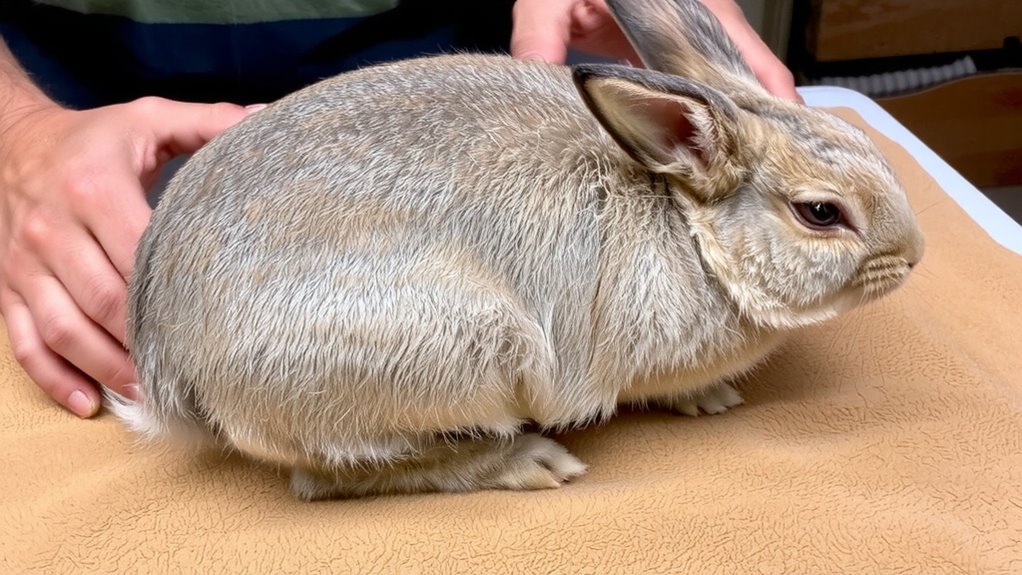
Daily brushing is essential for maintaining your older rabbit’s coat and skin health. Gentle brushing removes loose fur, reducing the risk of hairballs that can contribute to GI stasis. Use a soft-bristled slicker brush or fine-toothed comb, applying minimal pressure-no more than 50–100 grams of force-to avoid skin trauma. Start at the head and move posteriorly, following the direction of hair growth. Older rabbits often have fragile skin and decreased flexibility, making daily routine sessions of 3–5 minutes ideal. Conduct grooming during low-stress periods, typically early morning or late evening. This consistent practice supports thermoregulation and circulation. Check the brush for matting debris after each stroke. If fur pulls or resistance occurs, stop immediately. Replace worn brushes every 3–6 months to maintain effectiveness. Monitor for signs of discomfort, such as flattening ears or rapid breathing. Continue daily routine care to promote long-term dermatological and digestive wellness.
Focus on High-Risk Areas to Prevent Mats and Infection
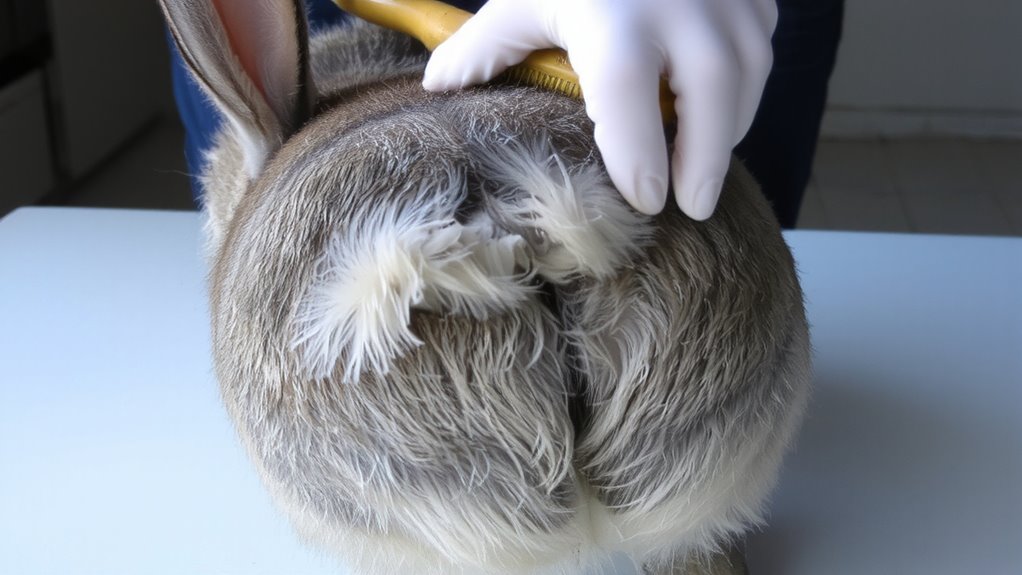
Your senior rabbit’s grooming routine must prioritize high-risk areas prone to matting and infection. Common trouble zones include the genital area, dewlap, and regions with deep skin folds. These spots trap moisture and waste, increasing infection risk. Regular inspection and gentle cleaning are essential. Nail overgrowth can lead to improper posture and foot sores, so trim every 4–6 weeks using rabbit-safe clippers. Using precision nail clippers designed specifically for rabbits ensures safe and accurate trimming, reducing the risk of cutting the quick.
| Area | Risk Factor | Care Frequency |
|---|---|---|
| Skin folds | Moisture retention | Inspect daily, clean as needed |
| Genital area | Urine scald, matting | Clean daily |
| Toenails | Nail overgrowth | Trim every 4–6 weeks |
| Dewlap | Food debris, mats | Check and dry twice weekly |
Use a soft brush for mats; severe cases may require professional clipping.
How Poor Grooming Triggers GI Stasis in Senior Rabbits
While proper grooming may seem like a superficial concern, neglecting it can have serious internal consequences, particularly for senior rabbits. Poor grooming increases fur ingestion, which your aging rabbit can’t efficiently pass. This excess fur accumulates in the stomach, compounding existing risks of digestive slowdown. Digestive slowdown reduces gut motility, measured as a drop in gastrointestinal transit time from the normal 18–24 hours to over 36. When combined with fur ingestion, this creates dense trichobezoars (hairballs), obstructing normal digestion. Reduced cecotrope re-ingestion follows, depriving your rabbit of essential nutrients and hindgut fermentation balance. The cecum’s pH shifts, promoting pathogenic bacteria overgrowth. Without intervention, this cascade leads to complete GI stasis-a life-threatening condition. You must monitor for reduced fecal output, as fewer than 80–100 pellets per day indicate compromised motility. Early detection and proactive brushing minimize these risks.
Why Arthritic Rabbits Can’t Reach Key Grooming Spots
Because arthritis commonly affects the spine, hips, and stifles in aging rabbits, you’ll notice they can’t twist or arch their bodies like they once did-ranges of motion drop below 45 degrees in affected joints, making self-grooming difficult or impossible. Joint stiffness limits mobility, especially in the lumbar region and hindlimbs. This leads to serious hygiene challenges, as rabbits can’t reach key areas to remove debris or prevent matting. Without intervention, soiled fur increases risks of skin irritation and infection.
| Grooming Spot | Reason for Inaccessibility |
|---|---|
| Genitals | Requires hip abduction >60°, limited by stifle OA |
| Lower back | Spinal flexion reduced by vertebral joint stiffness |
| Hind feet | Poor reach due to decreased hindlimb flexibility |
Make Grooming Calmer for Older Rabbits
A calm grooming session starts with minimizing stress and accommodating age-related physical limitations. Create a calm environment by choosing a quiet, warm room with minimal distractions. Use soft lighting and keep noise levels low to reduce anxiety. Older rabbits are sensitive to temperature changes, so maintain ambient temperatures between 65–72°F. Practice soft handling by supporting your rabbit’s hindquarters fully during grooming to prevent pain or injury. Restrict sessions to 5–10 minutes to avoid fatigue. Use a non-slip mat underfoot for stability. Opt for rounded-tipped stainless steel grooming tools with fine-toothed combs (0.5–1.0 mm spacing) to gently remove loose fur without irritating thinning skin. Avoid pulling or tugging. Regular, brief grooming improves circulation and reduces hair ingestion, lowering GI stasis risk. Stay observant for signs of discomfort.
On a final note
You must groom your senior rabbit daily to prevent serious health risks. Poor grooming leads to hair ingestion, increasing the chance of gastrointestinal (GI) stasis-a life-threatening condition in older rabbits. Arthritis limits mobility, making self-cleaning difficult, especially on the hindquarters and underbelly. Use a soft-bristle brush; spend 3–5 minutes per session. Focus on prone areas: hips, genitals, and abdomen. Regular grooming supports digestive health and detects issues early.