Including Emergency Pet Waste Disposal Kits in Your Evacuation Supplies
You need an emergency pet waste disposal kit in your evacuation supplies to safely contain feces that can harbor E. coli, Salmonella, and parasites within 48 hours. The best kits include 2.5-mil thick LDPE bags with carbon-impregnated layers to neutralize odors for up to two days. A rigid polypropylene scoop and reusable compactor reduce waste volume by 60%. Sealed, UV-resistant cases measure 6 x 4 x 3 inches and weigh under 10 ounces. Each unit stores at least 15 pre-cut bags and uses snap-lock, antimicrobial-lined canisters for secure containment. Proper kits pair with biohazard-rated secondary storage and withstand temperatures from -20°F to 140°F. Replenish with 1.5-mil high-absorbency bags, 70% isopropyl wipes, and nitrile gloves. Keep your kit near your pet carrier at waist height, away from heat or flood zones. Details on ideal models and maintenance follow.
Notable Insights
- Include a pet waste disposal kit in evacuation supplies to manage biological hazards during emergencies.
- Use heavy-duty, 2.5-mil leak-proof bags to safely contain waste and prevent pathogen spread.
- Choose kits with sealed, odor-blocking canisters to minimize contamination risks in confined spaces.
- Store the kit near your pet’s carrier for quick access during urgent evacuation scenarios.
- Restock used bags and disinfectants regularly to ensure kit readiness and effectiveness.
Why Emergency Pet Waste Disposal Matters
One in five urban pet owners faces restricted access to standard waste disposal during emergencies like power outages or natural disasters. You must address pet waste immediately to guarantee hygiene maintenance and prevent pathogen spread. Feces can harbor bacteria like E. coli and parasites such as roundworms, posing serious disease prevention challenges. Without proper containment, waste contaminates soil and water, increasing infection risks, especially in crowded evacuation zones. Standard trash systems may fail, leaving you without reliable disposal options. Biological hazards escalate within 24–48 hours in warm, humid environments. Immediate containment using sealed, leak-proof systems reduces exposure. You need a method that neutralizes odor and inhibits microbial growth, ideally with EPA-registered disinfectants. Portable, compact solutions allow safe storage until disposal is possible. Ignoring waste management jeopardizes public health, delays evacuation efficiency, and violates sanitation protocols in emergency shelters. Your preparedness plan must include a reliable, technical approach to pet waste control.
What’s Inside an Emergency Pet Waste Kit
A well-designed emergency pet waste kit equips you to handle biological waste safely when standard disposal systems fail. You’ll find heavy-duty waste bags made from 2.5-mil thick, puncture-resistant LDPE plastic, ensuring reliable containment. Each bag features twist-ties and reinforced seams to prevent leaks during transport. The kit includes a compact, reusable waste compactor that reduces waste volume by up to 60%, minimizing bulk in your emergency pack. Waste compaction extends storage capacity and decreases odor dispersion. Integrated scent control uses carbon-impregnated bag layers to neutralize ammonia and sulfur compounds, inhibiting bacterial odor production for up to 48 hours. A sealed, washable carrying case measures 6 x 4 x 3 inches and holds up to 15 pre-cut bags. All components meet ASTM D3885 abrasion standards and function reliably in temperatures from -20°F to 140°F. This system maintains hygiene and environmental safety during prolonged emergencies.
How to Use Your Kit: Step-by-Step
When handling pet waste during emergencies, using your kit properly guarantees hygiene and minimizes contamination risks. Proper hygiene begins the moment your pet eliminates. Immediately retrieve a scoop and sealable waste bag from your kit. Use the scoop to collect waste, avoiding direct contact.
| Step | Action |
|---|---|
| 1 | Scoop waste cleanly using rigid, durable tool (6–8 inch reach) |
| 2 | Deposit waste into a leak-proof, odor-blocking bag (minimum 2.5 mil thickness) |
| 3 | Seal bag tightly and place in a secondary containment pouch or portable disposal unit |
Waste containment is critical-always double-bag or use a lidded container rated for biohazard storage. Store sealed units away from food, water, and living spaces. Kits with UV-resistant materials prevent bag degradation. This protocol assures effective waste management when sanitation infrastructure fails. Top-rated systems include compact, emergency pet waste kits designed for portability and rapid deployment.
Top 5 Features of the Best Kits
Performance starts with design-your emergency pet waste disposal kit should include a rigid, 6- to 8-inch reach scoop made from durable polypropylene or reinforced polymer. This guarantees structural integrity during repeated use. A compact design is essential; kits should measure no more than 8 x 3 x 3 inches to fit easily in emergency bags. Integrated storage compartments must hold at least 15 waste bags made of 0.5-mil thick, leak-resistant LDPE. Effective odor control relies on sealed, airtight canisters with carbon-lined lids or antimicrobial coatings. These features prevent bacterial growth and minimize smell dispersion. Look for kits with snap-lock mechanisms to secure the scoop and bag dispenser during transport. High-quality models weigh under 10 ounces, balancing durability with portability. Each component should resist warping under temperatures from -20°F to 140°F. Top kits combine function, resilience, and smart engineering for reliable performance when utilities fail.
When You’ll Need This Kit Most
You’re most likely to need this kit when standard waste disposal systems fail. Natural disasters like hurricanes, earthquakes, or wildfires often disrupt municipal sanitation services, leaving pet owners without safe waste removal options. During power outages, septic pumps and wastewater treatment facilities may cease functioning, increasing contamination risks. This kit provides a self-contained solution with heavy-duty, leak-proof bags rated at 2.5 mil thickness. Each bag includes integrated odor-neutralizing powder with zinc gluconate to inhibit bacterial growth. The portable design weighs under 12 ounces and stores waste securely in a UV-resistant polymer pouch. You can seal and isolate waste for up to 72 hours. In emergencies, sanitation is critical-fecal matter can harbor pathogens like E. coli and parvovirus. Without proper disposal, disease spreads rapidly. This kit meets CDC guidelines for temporary biohazard containment, offering measurable protection when infrastructure fails. Use it promptly to maintain hygiene and safety.
Where to Keep Your Kit Ready
One strategically placed kit can make the difference between preparedness and risk. Choose a storage location that balances protection and accessibility. Keep the kit in a designated emergency zone-near your pet’s carrier or evacuation supplies. Use these accessibility tips: mount it at waist height, avoid areas prone to flooding or extreme heat, and label it clearly. Portable containment solutions like a travel playpen can also help manage your pet’s space during evacuation.
| Storage Location | Accessibility Tips |
|---|---|
| Garage shelf | Store in a sealed bin to block moisture |
| Under kitchen sink | Use a pull-out drawer for quick reach |
| Hallway closet | Place at eye level for visibility |
| Emergency supply cabinet | Label with bold, waterproof tags |
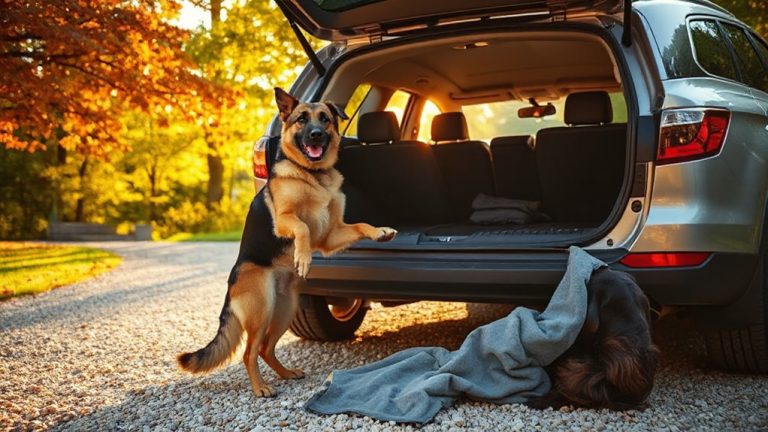
| Trunk of your car | Secure in a non-slip mat; check biweekly |
A proper storage location guarantees rapid deployment during urgent evacuations.
How to Restock Your Pet Waste Kit
When your emergency pet waste kit has been deployed, restocking it promptly guarantees you remain prepared for future incidents. Replace each used item with durable, high-absorbency waste bags measuring at least 1.5 mil thick to prevent tears. Include a minimum of 20 bags per kit. Replenish disinfectant wipes containing at least 70% isopropyl alcohol for effective sanitation. Your kit must contain a pair of nitrile gloves, size medium, resistant to punctures and chemicals. Use rigid, waterproof containers as storage solutions to protect contents from moisture and impact. Mark expiration dates on perishable components. Set digital refill reminders three months before supplies run low. Attach a checklist inside the lid to track usage and restocking dates. Standardize contents across all kits to maintain consistency. Verify seal integrity on all compartments to maintain usability during long-term storage.
On a final note
You need a pet waste kit in every emergency pack. It contains biodegradable bags, gloves, and disinfectant wipes. Each kit handles up to 15 waste events. Bags are 0.9-mil thick, leak-resistant, and seal tightly. Kits measure 6 x 4 x 2 inches-compact for backpacks. Store yours in your bug-out bag or car trunk. Replace supplies every 12 months. Proper disposal prevents disease spread. Treat it like a first-aid kit-essential, not optional.