Adapting Dog Walking Techniques for Senior Pets With Joint Mobility Limitations
You should spot stiffness lasting over 30 minutes after rest-it’s often an early sign of arthritis. Use a front-clip harness with adjustable straps and a rigid spine handle to reduce joint load by up to 40%. Walk your dog for 10–20 minutes on flat, looped routes under 0.5 miles with ≤3% grade. Time walks mid-morning, 30–45 minutes after giving NSAIDs or supplements. Reward small movements with low-calorie treats. A structured approach improves mobility and consistency across daily routines.
Notable Insights
- Use a supportive harness with a rigid handle to assist movement and reduce joint strain during walks.
- Opt for short, frequent walks on flat, stable surfaces to minimize discomfort and joint loading.
- Schedule walks in mid-morning after light stretching and pre-medication to reduce stiffness.
- Reinforce gentle movement with treats and praise to encourage mobility without overexertion.
- Incorporate low-impact exercises like controlled stretches and soft tug to maintain joint function.
Spot Arthritis Signs Early
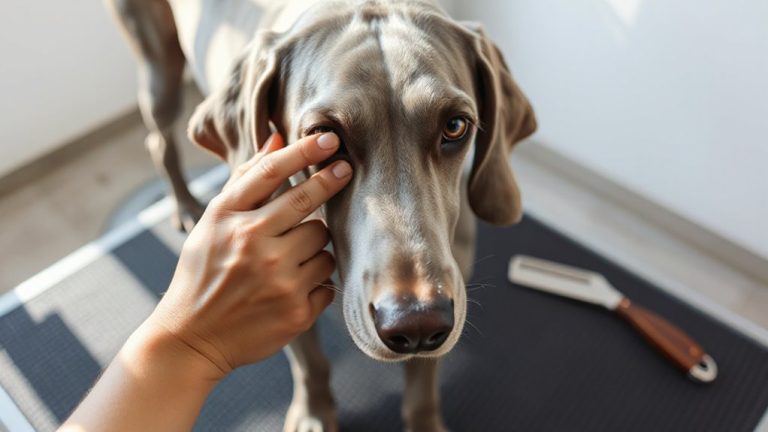
Have you noticed your dog hesitating before jumping into the car or struggling to rise after a nap? These subtle changes may signal early joint inflammation, a precursor to arthritis. Early detection is critical-monitor for decreased activity, stiffness lasting over 30 minutes post-rest, or reluctance to climb stairs. Canine arthritis commonly affects hips, elbows, and spinal joints, with radiographic evidence often showing osteophyte formation and narrowed joint spaces. Inflammation triggers synovial fluid imbalance, reducing lubrication and increasing cartilage wear. Diagnostic tools include physical exams evaluating range of motion, lameness scoring (0–4 scale), and occasionally MRI or X-rays. Blood work may reveal elevated C-reactive protein, indicating systemic inflammation. Recognizing symptoms early allows for timely intervention, potentially delaying progression. Simple observations at home, combined with veterinary evaluation, form the cornerstone of effective arthritis management in aging dogs. Proactive monitoring preserves mobility and joint function over time. Providing proper orthopedic support through a best dog bed for arthritis can significantly reduce discomfort during rest and complement overall joint care.
Choose a Supportive Harness
A well-fitted supportive harness can considerably reduce strain on compromised joints, particularly in dogs showing early signs of arthritis. Proper harness fit guarantees weight is distributed across the chest and shoulders, not the neck, minimizing joint stress. Look for front-clip designs with dual attachment points-one on the back, one on the chest-to guide movement without pulling. Adjustable straps at the neck, chest, and belly allow customization for your dog’s body shape, preventing chafing and slippage. Mobility support is enhanced with rigid handle options positioned over the spine, enabling you to lift your dog safely during stairs or uneven terrain. Materials should be lightweight yet durable, like ripstop nylon with foam-padded contact points. Avoid restrictive designs; the harness must allow full shoulder rotation. A properly adjusted harness leaves no more than two fingers’ space at any strap. Use sizing charts and measure girth behind the front legs for accuracy.
Walk Shorter Distances on Easy Loops
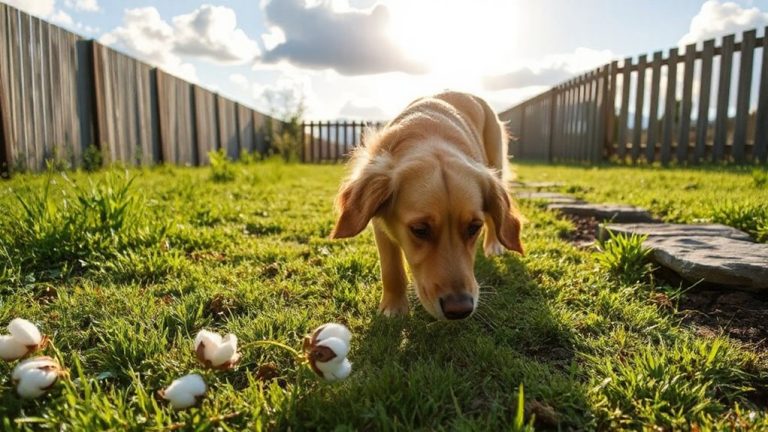
Even if your senior dog once handled long trails with ease, aging joints and reduced stamina mean shorter, more manageable walks are now essential. Opt for short routes totaling 10–20 minutes to prevent joint strain and fatigue. These brief outings maintain mobility without overloading arthritic joints. Flat paths eliminate elevation changes that stress hips and knees, reducing the risk of lameness. Pavement or packed gravel trails offer stable support compared to uneven terrain. Aim for consistent surfaces with minimal incline-less than 3% grade is ideal. Shorter loops allow you to adjust pace and monitor gait abnormalities in real time. Circuits under 0.5 miles let you repeat passes if energy permits while avoiding overexertion. Use these controlled conditions to assess limb loading and weight distribution. Frequent, low-impact movement supports joint lubrication and muscle retention without accelerating degeneration.
Walk When Your Dog Feels Best
When does your senior dog seem most alert and mobile? Timing your walks around these peak periods improves comfort and mobility. Many older dogs experience morning stiffness due to prolonged inactivity, which typically decreases after light movement and joint lubrication. Aim to walk your dog mid-morning, allowing time post-waking for gentle stretching and pain management protocols to take effect. Administer prescribed medications or supplements, such as glucosamine-chondroitin or NSAIDs, at least 30–45 minutes prior to walking to maximize efficacy. Monitor response to timing changes over a two-week period, logging duration, stride length, and hesitation points. Consistent scheduling supports musculoskeletal predictability. Avoid walks during temperature extremes, as heat or cold exacerbates joint discomfort. Walking when your dog feels best aligns with clinical pain management goals and enhances locomotor function without overexertion. For dogs requiring additional joint support, consider administering a high-quality liquid glucosamine supplement daily to maintain cartilage health and reduce inflammation.
Reward Small Steps to Build Confidence
One small step for your senior dog can mean significant progress in mobility and confidence. Use positive reinforcement to support incremental progress and build assurance during walks. Reward even minor milestones-like standing, taking a step, or shifting weight-to reinforce desired behavior. Immediate rewards strengthen neural associations, improving motor learning and joint awareness.
| Behavior | Reward Type | Timing (seconds) |
|---|---|---|
| Stands from rest | Soft treat | <2 |
| Takes one step | Verbal praise | <1 |
| Completes short distance | Favorite toy | <3 |
Treats should be low-calorie (≤5 kcal each) to prevent weight gain. Clicker training can enhance precision in marking behaviors. Consistency across sessions improves outcomes. These techniques promote neuromuscular adaptation and reduce fear-based resistance over time.
Try Gentle Exercises Between Walks
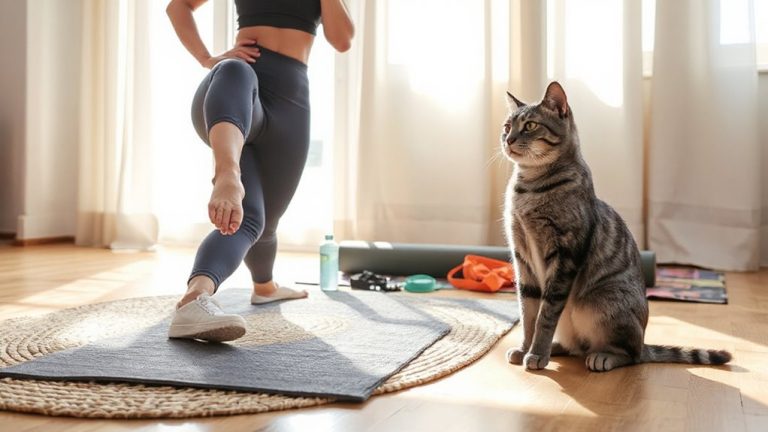
Several brief exercise sessions between walks can help maintain joint flexibility and muscle strength in senior dogs. Perform low impact stretches two to three times daily, holding each stretch for 15–20 seconds to gently loosen tight muscles. Focus on controlled movements like front limb extensions and hip flexor stretches, which reduce joint strain. Incorporate joint friendly play such as soft tug or slow fetch with lightweight toys-use a 2–4 ounce plush toy to minimize stress. These activities support synovial fluid circulation, promoting cartilage health. Limit sessions to 5–7 minutes to prevent fatigue. Use non-slip surfaces to prevent slips. Monitor your dog’s gait; signs of discomfort include limping or hesitation. Consistent, gentle movement helps maintain range of motion and delays muscle atrophy without overexertion, much like physical therapy protocols in humans.
On a final note
You should adjust walks to match your dog’s physical limits. Use a front-clip harness with padded chest support (minimum 2-inch wide straps) to reduce joint strain. Stick to 5–10 minute loops on flat, non-slip surfaces. Schedule walks during warmer parts of the day when stiffness is lower. Supplement activity with range-of-motion exercises, applying 0.5–1 lb of gentle resistance. Monitor gait changes weekly.