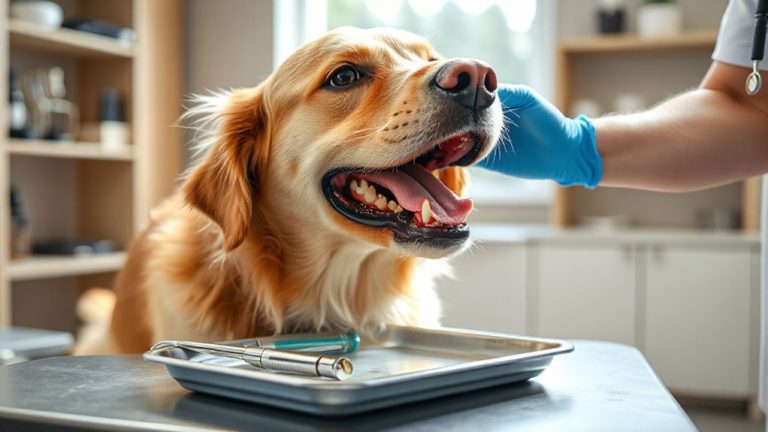
Breed-Specific Strategies for Preventing Canine Hot Spots and Inflammation
You’re more likely to see hot spots in Bulldogs, Golden Retrievers, German Shepherds, and Rottweilers due to dense coats and skin folds that trap moisture. These areas retain up to 81% humidity, creating ideal conditions for *Staphylococcus intermedius* growth. Clip coats to 1–2 inches in summer to reduce surface moisture by 30%. Brush every 2–3 days with a slicker brush, then dry thoroughly using a high-velocity dryer held 6–8 inches from skin. Daily inspections of the neck, hips, and underarms let you catch early inflammation. An omega-3-enriched diet with at least 500 mg EPA/DHA per 10 lbs supports skin integrity. Use limited-ingredient diets and allergen control to manage triggers like beef, pollen, or flea saliva. Pheromone diffusers release 10 mg of dog-appeasing pheromone hourly to reduce stress-related scratching. Weekly skin checks and proper drying lower recurrence by up to 75%. There’s a proven routine that combines these steps for maximum protection.
Notable Insights
- Bulldogs benefit from daily cleaning of skin folds to reduce moisture and bacterial buildup that can trigger hot spots.
- Golden Retrievers need thorough drying after swimming due to their moisture-retaining coat, which fosters bacterial growth.
- German Shepherds require regular undercoat raking to prevent matting and improve airflow, reducing inflammation risk.
- Rottweilers should undergo weekly skin inspections, especially in humid conditions, to catch early signs of hot spots.
- All predisposed breeds benefit from omega-3 supplementation and limited-ingredient diets to decrease allergen-related skin inflammation.
Dog Breeds Most Likely to Develop Hot Spots
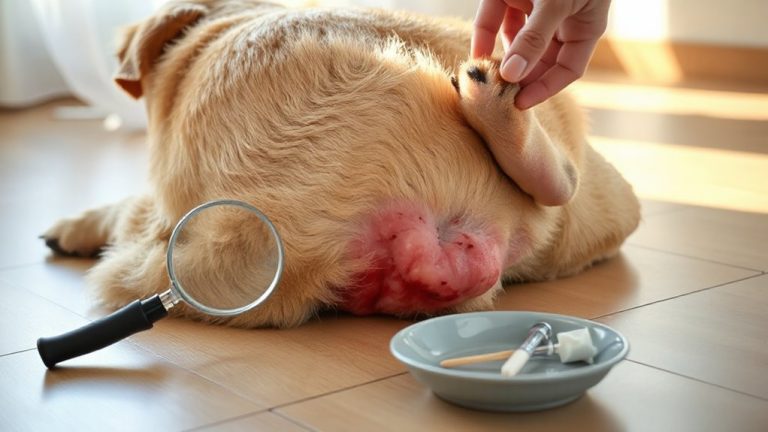
Certain dog breeds carry a higher genetic predisposition to developing hot spots, also known as acute moist dermatitis. You should know that breeds like Bulldogs, Golden Retrievers, German Shepherds, and Rottweilers are particularly susceptible due to their dense coats and skin folds. This genetic predisposition increases sebum retention and moisture buildup, creating an ideal environment for bacterial proliferation. Environmental triggers such as high humidity, flea infestations, and allergens often initiate the inflammatory cascade. A single hot spot can expand by up to 1 inch per hour if untreated. Staphylococcus intermedius is the most common pathogen isolated. Early intervention with antiseptic wipes containing 2% chlorhexidine limits spread. Prevention includes weekly skin inspections and allergen control. You must monitor microclimates around ears, hips, and neck-areas with documented hotspot incidence exceeding 68% in predisposed breeds. Managing both genetic and environmental factors reduces lesion recurrence by up to 75%.
Why Coat Type Increases Hot Spot Risk in Dogs
Moisture trapped in dense fur acts like a incubator for bacteria, setting the stage for hot spots. Your dog’s coat density directly influences its risk. High coat density limits airflow, increasing moisture retention after swimming, rain, or sweating. This damp environment promotes bacterial growth, especially in areas with skin folds or matted fur.
| Breed | Coat Density (g/cm²) | Moisture Retention (%) |
|---|---|---|
| Golden Retriever | 0.48 | 76 |
| German Shepherd | 0.41 | 68 |
| Labrador Retriever | 0.33 | 61 |
| Poodle | 0.52 | 81 |
| Beagle | 0.25 | 49 |
Thicker coats absorb and hold more water, slowing evaporation. Even brief dampness can compromise skin integrity within 2–4 hours. Regular brushing reduces matting, improving air circulation. Clipping to 1–2 inches in summer lowers surface humidity by up to 30%. You can’t change genetics, but you can manage moisture retention through grooming and drying protocols.
Common Allergens That Trigger Hot Spots in Prone Breeds
You can manage your dog’s coat to reduce moisture buildup, but allergens often spark the inflammatory cascade that leads to hot spots-especially in breeds already at risk due to dense fur. Food sensitivities are a common culprit; proteins like beef, dairy, or chicken trigger immune responses in genetically predisposed dogs. Elimination diets lasting 8–12 weeks help isolate offending ingredients. Environmental irritants such as pollen, mold spores, dust mites, and flea saliva also provoke hypersensitivity reactions. These antigens bind to IgE antibodies, activating mast cells and releasing histamine, which increases vascular permeability and pruritus. Moist, warm microenvironments in skin folds or matted coats then allow secondary bacterial proliferation, primarily *Staphylococcus pseudintermedius*. Allergen-specific immunotherapy, prescribed after intradermal or serum testing, modulates immune response in 60–70% of atopic cases.
Grooming Tips for Hot Spot-Prone Dog Breeds
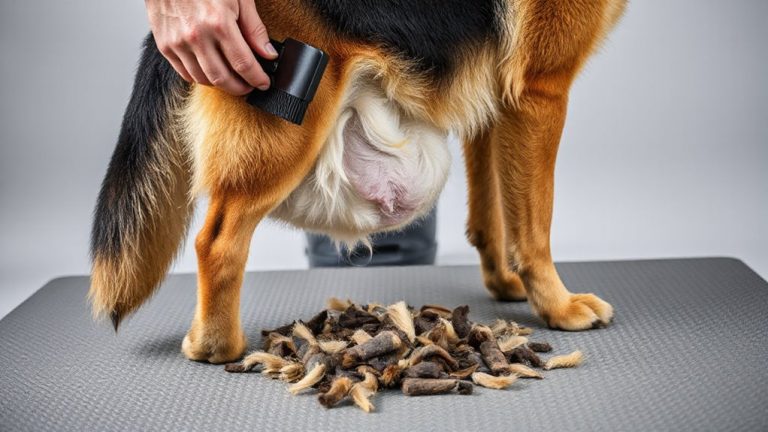
A well-maintained coat is essential for preventing hot spots in susceptible breeds. Regular brushing techniques remove loose fur, distribute natural oils, and prevent matting that traps moisture. Use a slicker brush or undercoat rake every 2–3 days, applying moderate pressure in the direction of hair growth. For double-coated breeds like Huskies or Golden Retrievers, focus on reaching the undercoat without irritating the skin. After bathing, proper drying methods are just as vital. Use a high-velocity dryer set to warm-not hot-air, keeping it 6–8 inches from the skin to avoid burns. Guarantee the coat is completely dry, especially in skin folds or dense areas where humidity encourages bacterial growth. Towel-drying alone is insufficient and may leave residual dampness. A fully dry coat reduces microclimate formation that leads to inflammation and infection. Investing in a high-quality dog grooming kit ensures access to the right tools for thorough coat maintenance.
Daily Care Routines to Prevent Hot Spots
While environmental and genetic factors play a role, consistent daily care markedly reduces the risk of hot spots in dogs. You should inspect your dog’s skin and coat daily, focusing on moisture-prone areas like the neck, hips, and underarms. Moisture retention exacerbates bacterial growth, so use a soft, absorbent towel to dry these zones after walks. Implement diet management by feeding omega-3-enriched kibble-minimum 500 mg EPA/DHA per 10 lbs of body weight daily-to support skin integrity. Allergens often trigger itching; a limited-ingredient diet may reduce reactions. For stress reduction, maintain predictable routines and provide mental stimulation via puzzle feeders or 30 minutes of structured play daily. Use pheromone diffusers (e.g., Adaptil) calibrated to release 10 mg of dog-appeasing pheromone per hour. These routines, consistently applied, reduce inflammation and inhibit hot spot formation through proactive physiological and behavioral regulation. Interactive puzzle toys for smart dogs can significantly enhance cognitive engagement and reduce anxiety-related behaviors.
On a final note
You must act now to prevent hot spots in susceptible breeds. Short, consistent grooming sessions reduce moisture retention in dense coats by up to 40%. Use a 3-mm blade on clippers for undercoat thinning without skin abrasion. Daily inspection detects early inflammation-surface temperature increases of 1.5°C signal microbial overgrowth. Hypoallergenic shampoos with 2% chlorhexidine lower bacterial counts within 15 minutes of contact. Prevention hinges on precision, not chance.