Why Paw Care Is Essential for Agility Dogs
Your dog’s paws are critical for grip, shock absorption, and precise movement during agility. Healthy pads should measure 15–25 on the Shore A durometer scale for ideal flexibility. Each jump generates over 2.5 times your dog’s body weight in force, increasing injury risk. Cracks or thin pads reduce traction by up to 40%. Daily inspection, proper nail length (2–3 mm from contact), and protective boots with 3mm TPU lugs help maintain performance-knowing the right care makes all the difference.
Notable Insights
- Healthy paws provide essential grip and shock absorption for precise agility movements on varied surfaces.
- Strong pads maintain traction, reducing slip risks and injury during high-speed runs and jumps.
- Regular inspection prevents minor issues like cracks or debris from becoming performance-limiting injuries.
- Proper nail length ensures balance and joint alignment, preventing strain during sharp turns and landings.
- Preventative care, including conditioning and protective gear, sustains pad integrity and overall agility performance.
Why Healthy Paws Make or Break Agility Performance
While it might seem like peak agility performance hinges solely on speed and obedience, the foundation of every clean run starts with something far more basic-your dog’s paws. Strong, healthy paws provide essential paw grip on varied surfaces, from slick laminate to coarse turf. Without adequate traction, your dog slips, altering stride length and timing. This directly compromises joint stability, especially in high-impact maneuvers like weave entries or A-frame descents. Think of paws as performance tires-without proper tread (digital pads) and shock absorption (metacarpal padding), control diminishes. Paw integrity affects force distribution across limbs, reducing risk of torque injuries. Calluses, cracks, or thin pads decrease surface contact, cutting grip by up to 40%. You need consistent pad hardness-measured at 15–25 Shore A durometer-for ideal balance between flexibility and resilience. Healthy paws mean reliable takeoffs, precise landings, and sustained speed. Neglect them, and even peak conditioning won’t prevent costly faults. Regular moisturizing with the right best moisturizers for dog paws can prevent cracking and maintain optimal pad condition.
How Agility Puts Your Dog’s Paws at Risk
Every stride your dog takes on the agility course subjects their paws to extreme mechanical stress. Sudden stops, sharp turns, and jumps generate high impact stress, especially on hard surfaces like plywood or synthetic turf. This repeated force accelerates paw fatigue, reducing grip and increasing injury risk. Studies show peak ground reaction forces on agility jumps can exceed 2.5 times the dog’s body weight, concentrating pressure on paw pads and digital flexors. Routine contact with abrasive materials wears down thick epidermal layers, compromising natural shock absorption. Paw fatigue impairs proprioception, delaying response time during rapid sequences. Without adequate recovery or protection, microtears and inflammation develop. Even resilient breeds show measurable decline in pad elasticity after just 10 consecutive jumps. Your dog’s paws endure physical demands similar to human athletes running sprints on concrete. Recognizing impact stress and paw fatigue early helps prevent long-term damage.
What to Check in Your Dog’s Daily Paw Inspection
Your dog’s paw health starts with a consistent daily inspection-any missed check could mean overlooking early signs of injury or wear. Begin by examining pad texture: healthy pads are smooth, resilient, and free of cracks or abrasions. Rough or dry texture may indicate excessive friction or dehydration, increasing the risk of splitting during high-impact maneuvers. Check between toes for debris, blisters, or inflammation. Assess nail length routinely-nails should not touch the ground when your dog stands. Overgrown nails alter gait, increase joint stress, and compromise traction on slick or uneven surfaces. Ideal nail length allows a 90-degree angle from the toe pad without contact. Use a digital caliper if precision is needed; most agility dogs perform best with nails trimmed to 2–3 mm from contact. Inspect after every training session. Early detection prevents chronic damage and maintains peak performance.
At-Home Care for Scrapes and Sore Paws
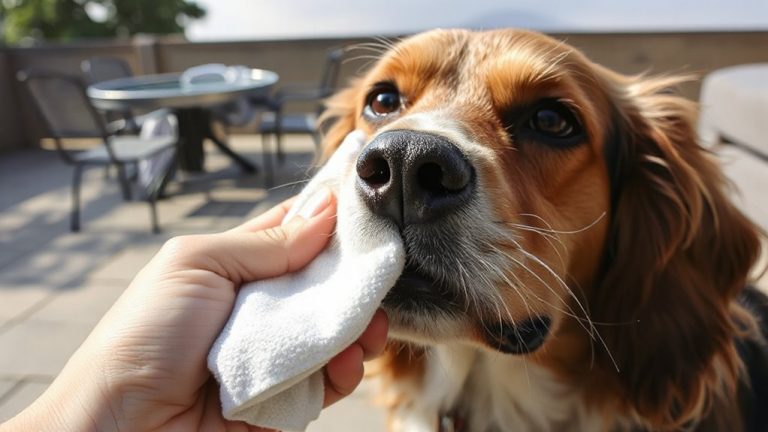
If minor scrapes or soreness appear after a rigorous agility session, immediate and proper at-home care can prevent infection and accelerate healing. Clean the affected paw with mild antiseptic to maintain paw hygiene and remove debris. Pat dry thoroughly-moisture retention delays recovery. For minor abrasions, apply a thin layer of antibiotic ointment and cover with a non-adhesive bandage secured by a self-adhering wrap. Monitor the area daily for swelling or discharge. Use at home remedies like chamomile tea soaks (cooled) to soothe inflammation. Avoid harsh chemicals or prolonged soaking. Consider using a dog paw cleaner to streamline cleaning and reduce the risk of irritation from trapped dirt.
| Solution | Purpose |
|---|---|
| Saline rinse | Cleans debris without irritation |
| Coconut oil | Natural moisturizer with antimicrobial properties |
| Epsom salt soak (1 tsp per cup warm water) | Reduces swelling and promotes circulation |
Daily Habits to Prevent Paw Damage
Regularly inspecting your dog’s paws takes just a few minutes but can prevent serious injuries. Check between the pads and toes daily for cuts, debris, or swelling. Early detection reduces infection risks and downtime. Start paw acclimation early-gradually expose your dog to varied textures like gravel, grass, and pavement. This builds tolerance and reflexive pad contraction. Pair this with terrain conditioning: structured training on different surfaces strengthens digital flexor tendons and enhances proprioception. Limit high-impact sessions on abrasive surfaces to prevent premature pad wear. Use scheduled walks on natural terrain to simulate competition conditions without excessive strain. Consistent exposure improves traction response and balance. Avoid sudden increases in activity level, which can cause microtears. Dry paws thoroughly after moisture exposure to prevent maceration. These habits increase durability, reduce slippage risks, and support long-term performance. Preventative care now avoids chronic issues later.
Agility-Tested Paw Gear: Boots, Balms, and Socks That Work
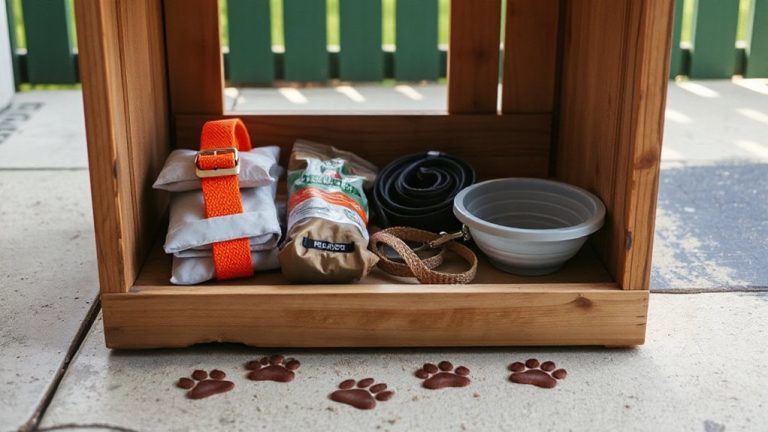
While performance demands on agility dogs continue to rise, so does the need for reliable paw protection. You need gear tested under real competition conditions. Agility boots with multidirectional tread patterns deliver superior turf grip, maintaining traction on grass, dirt, and synthetic surfaces. Look for models with TPU outsoles offering 3mm lug depth-this balances grip without trapping debris. Impact cushioning is critical; choose boots with 4mm EVA midsole layers that reduce joint stress during leaps and landings. Some designs integrate reinforced toe caps, decreasing abrasion risk by up to 60%. Paw balms containing 20% shea butter and beeswax form a breathable barrier, preventing cracking and improving pad resilience. Moisture-wicking socks made from 88% nylon and 12% spandex retain shape after 50+ washes and reduce friction by 45%. Together, these products form a defense system-enhancing performance, not just protection.
On a final note
Your dog’s paws endure up to 1,500 pounds per square inch of impact during agility runs. Proper care prevents injuries that impair performance. Inspect pads daily for abrasions, dryness, or foreign objects. Use boots with 6mm Vibram soles for traction on slick surfaces. Apply a balm with 10% shea butter and lanolin to repair cracks. Moisturize only between toes to prevent fungal growth. Preventive care reduces downtime by 40%. Healthy paws guarantee consistent, peak-level runs.